Fishing is a pastime enjoyed by millions worldwide, spanning from serene freshwater lakes to vast ocean expanses. For many, fishing is more than a hobby; it is a connection to nature, a way to unwind, and in some regions, an integral part of local culture and economy. Yet, as recreational and commercial fishing pressures continue to grow, so does the responsibility of anglers to practice sustainable fishing. Among the strategies designed to preserve fish populations and ensure ecological balance, catch and release stands out as one of the most effective methods. When executed properly, it allows anglers to enjoy their sport while safeguarding the future of fish species and their habitats. This article delves into the best practices of catch and release, from understanding fish biology to selecting the right gear, ensuring ethical and environmentally responsible fishing practices.
Understanding the Importance of Catch and Release
Catch and release is not merely a modern trend; it is a conservation strategy backed by decades of scientific research. Overfishing, habitat destruction, and climate change have all contributed to declining fish populations worldwide. Species such as Atlantic salmon, brook trout, and various bass populations have faced significant threats, in part due to overharvesting and improper fishing practices. By releasing fish after capture, anglers help maintain healthy populations, which in turn supports the balance of aquatic ecosystems.
Fish play a crucial role in freshwater and marine ecosystems. They regulate insect populations, recycle nutrients, and act as a food source for birds, mammals, and other fish. When fish populations decline, it can trigger a cascade of ecological consequences, affecting water quality, vegetation, and even human economies reliant on fisheries. Catch and release provides a practical solution, allowing recreational fishing to coexist with conservation efforts. Moreover, studies indicate that well-implemented catch and release programs can significantly improve fish survival rates, sometimes exceeding 90% when proper handling techniques are used.
Fish Biology and Stress Response
To practice catch and release effectively, understanding fish biology and stress physiology is essential. When a fish is captured, it undergoes acute stress due to a combination of factors: exhaustion from struggling, physical injury from hooks, and exposure to air. This stress can lead to elevated cortisol levels, reduced immune function, and in severe cases, mortality even after release. Different species vary in their tolerance to capture stress. Cold-water fish such as trout and salmon are particularly sensitive to temperature and oxygen levels, while some warm-water species like largemouth bass are more resilient but still require careful handling.
The duration of the fight—the time a fish struggles on the line—is also critical. Prolonged fights can lead to lactic acid buildup in muscles, impair swimming ability, and reduce post-release survival. Environmental conditions such as water temperature, oxygen concentration, and pH also influence the fish’s ability to recover. High water temperatures, for instance, decrease dissolved oxygen and exacerbate stress. Anglers must recognize these biological realities to minimize harm during catch and release.
Essential Catch and Release Techniques
1. Proper Hooking
The type of hook used significantly affects fish survival. Barbless hooks or hooks with flattened barbs reduce tissue damage and facilitate quick removal. Circle hooks are particularly effective for certain species, as they tend to hook fish in the corner of the mouth rather than the gut. Avoid deep-hooking whenever possible, as it significantly increases mortality rates.
2. Minimizing Handling
Handling should be kept to a minimum. Wet your hands before touching the fish to protect its slime coat, a natural barrier against infections. Avoid squeezing or placing fingers in the gills. Removing fish from the water should be quick and gentle, with minimal time spent photographing or measuring.
3. Use of Nets
If a net is necessary, opt for soft, knotless nets that reduce scale loss and abrasions. Rubberized or coated nets are preferable. Once in the net, keep the fish mostly submerged, supporting its weight without pressing on the belly. Avoid tossing or dragging the fish against hard surfaces.
4. Quick Release
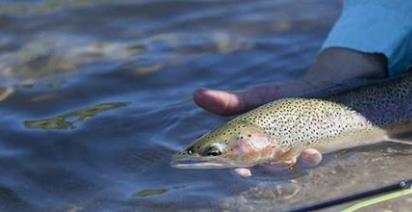
Time out of water should be as short as possible, ideally under 30 seconds. Keep the fish in water while unhooking and, if possible, perform any measurements or photos while the fish is submerged or partially submerged.
5. Reviving Fish
Before release, ensure the fish is strong enough to swim away. Hold the fish gently in the water, facing upstream if in a current, and move it back and forth to pass water over the gills. Only release the fish when it exhibits strong swimming movements.
Gear and Equipment Recommendations
Using the right gear enhances the success of catch and release. Lightweight rods and reels help reduce fight time, minimizing exhaustion for the fish. Line strength should match the targeted species but avoid overpowered gear that prolongs struggles. Selection of hooks, nets, and pliers should prioritize minimizing injury. Tools like fish grips, wet cloths, and hook removers can further reduce stress and handling time.
For example, a professional angler targeting rainbow trout in cold streams may use a 4–6 lb test line with a small barbless hook, combined with a soft rubber net, allowing for a swift, low-stress release. Similarly, saltwater anglers targeting species like redfish or tarpon often use circle hooks with de-hooking devices to prevent internal injuries.
Environmental and Ethical Considerations
Environmental conditions are paramount when practicing catch and release. High temperatures, low dissolved oxygen, and polluted waters can reduce survival rates. Anglers should avoid fishing during extreme heat or in waters with insufficient oxygen, particularly for sensitive species. Local regulations often provide guidance, including catch limits, protected areas, and species-specific restrictions.
Ethically, anglers are stewards of aquatic ecosystems. Practicing catch and release reflects a commitment to conservation, ensuring that recreational fishing does not compromise ecological health. By following best practices, anglers contribute to preserving fish populations for future generations, balancing enjoyment of the sport with responsibility to nature.
Common Mistakes and How to Avoid Them
Despite good intentions, mistakes are common in catch and release:
- Handling Large Fish Improperly: Lifting a large fish by the jaw alone can cause vertebral injuries. Support the fish horizontally using both hands.
- Excessive Air Exposure: Long photo sessions or measurements increase mortality. Keep the fish submerged whenever possible.
- Dry Hands or Surfaces: Touching fish with dry hands or placing them on rough surfaces damages the protective slime coat.
- Immediate Release Without Revival: Tossing the fish back into the water without ensuring it can swim away may result in death. Always monitor until the fish actively swims off.
Avoiding these errors can significantly improve post-release survival, turning a casual fishing trip into a sustainable practice.
Education and Community Involvement
Promoting catch and release requires education and community engagement. Local fishing clubs, wildlife agencies, and environmental NGOs often provide training workshops, online resources, and awareness campaigns. These programs teach both new and experienced anglers about species identification, proper handling techniques, and the ecological significance of their actions.
Youth programs are particularly effective. Introducing young anglers to ethical fishing practices not only preserves fish populations but fosters a lifelong appreciation for nature. Communities that embrace catch and release can serve as models for sustainable recreational fishing, showing that conservation and enjoyment can coexist harmoniously.
Innovations and Future Directions
The field of catch and release continues to evolve with technological advancements. Smart hooks, biometric tags, and water quality sensors are being used to monitor fish health and survival rates post-release. Research in physiology and behavioral ecology helps refine best practices, such as determining optimal fight times, handling protocols, and environmental conditions for release.
Artificial intelligence and data analytics may soon provide real-time insights to anglers, predicting stress levels and survival probabilities for specific species under given conditions. Such innovations promise to enhance both angler experience and conservation outcomes, creating a future where sustainable fishing is seamlessly integrated with technology.
Catch and release represents more than a method of fishing; it is a philosophy of conservation, ethics, and respect for nature. By understanding fish biology, using proper gear, minimizing handling, and following best practices, anglers can enjoy their sport while protecting aquatic ecosystems for generations to come. Mistakes are inevitable, but education, awareness, and community involvement can significantly improve outcomes. The future of recreational fishing depends not only on our enjoyment today but on our stewardship and responsibility toward the fish and waters we cherish. By committing to catch and release best practices, we ensure that the thrill of the catch will be available for the future, sustaining both the sport and the species it celebrates.