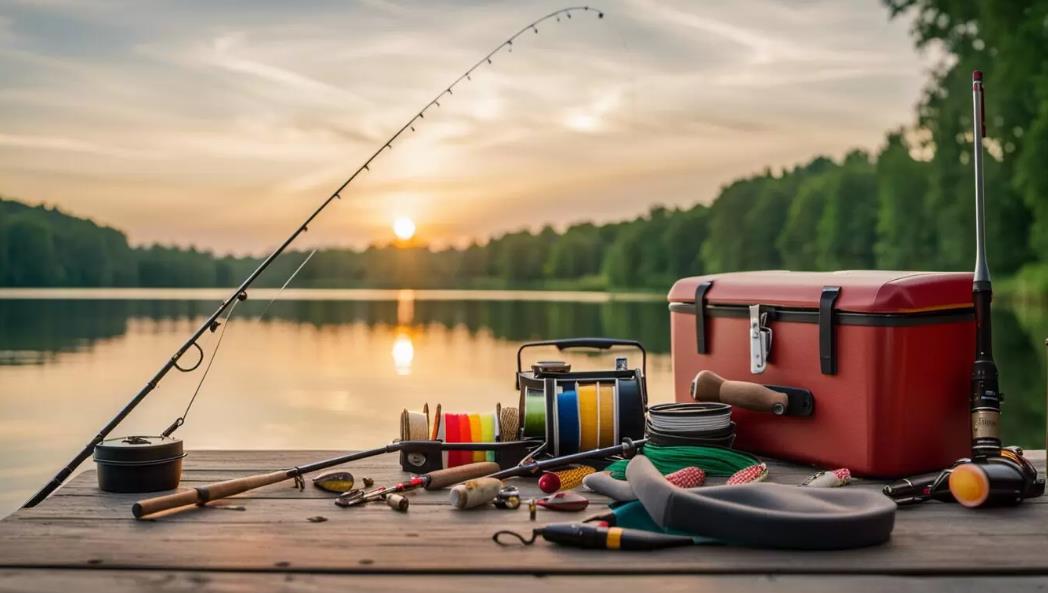
Kayak fishing has grown from a niche hobby into one of the fastest-growing segments of recreational angling across North America and Europe. From quiet freshwater lakes to tidal flats and nearshore saltwater environments, kayaks give anglers access to places that larger boats often can’t reach. They are affordable, versatile, and allow for a level of stealth that many traditional fishing methods simply can’t match.
However, fishing from a kayak is fundamentally different from fishing on shore or from a powered boat. Limited space, constant exposure to water, seated casting positions, and changing weather conditions all influence how gear performs. Choosing the right equipment isn’t just about convenience or comfort—it directly affects safety, efficiency, and success on the water.
This guide breaks down the essential fishing gear every kayak angler should understand, focusing on rods, reels, and critical safety tools. Whether you’re just getting started or refining your setup, understanding how each piece of equipment works in a kayak-specific environment will help you fish smarter, safer, and with greater confidence.
Understanding the Unique Challenges of Kayak Fishing
Before diving into specific gear, it’s important to understand why kayak fishing requires specialized considerations. A kayak places the angler close to the water, often in a seated position, with limited room to move. Casting angles are lower, storage is tighter, and balance is always a factor.
Kayak anglers also face increased exposure to the elements. Waves, wind, current, and sudden weather changes have a greater impact on a small, human-powered vessel than on a traditional boat. Dropped gear can be lost instantly, and even minor accidents can escalate quickly if safety tools are not within reach.
These conditions make gear selection more than a matter of preference. Rod length, reel design, corrosion resistance, and safety accessories all play a role in creating a setup that works with the kayak rather than against it.
Choosing the Right Fishing Rods for Kayak Angling
Fishing rods used on a kayak need to balance performance with practicality. While many standard rods can technically be used, certain characteristics make some rods far better suited for kayak fishing.
Ideal Rod Length and Control
Rod length is one of the most important considerations. In a seated position, longer rods can be difficult to manage, especially when landing fish or maneuvering around obstacles. Most kayak anglers find that rods in the 6- to 7-foot range offer the best balance between casting distance and control.
Shorter rods are easier to handle in tight quarters and reduce the chance of hitting the water or the kayak during casts. They also make it easier to bring fish close without overextending your arms or destabilizing the kayak.
Rod Power and Action for Versatility
Medium and medium-heavy power rods are popular choices for kayak anglers because they handle a wide range of species and techniques. These power levels provide enough backbone to control larger fish while still allowing for finesse presentations when needed.
Rod action also matters. Fast or moderate-fast action rods are often preferred because they provide good sensitivity while still offering forgiveness during sudden movements or unexpected strikes. In a kayak, where leverage is limited, a rod that absorbs shock can help prevent lost fish.
Durability Over Ultra Sensitivity
While sensitivity is important, durability often takes priority in kayak fishing. Rods are more likely to be exposed to water, sun, and accidental impacts. A slightly heavier, more robust rod may outperform an ultra-light, highly sensitive model in real-world kayak conditions.
Graphite-composite blends are a common choice because they offer a good mix of sensitivity and toughness. These materials can handle occasional bumps and splashes without compromising performance.
Freshwater and Saltwater Considerations
For saltwater kayak fishing, corrosion resistance becomes critical. Guides, reel seats, and blank coatings should be designed to withstand salt exposure. Even in freshwater environments, moisture resistance is important, as rods are frequently splashed or laid across wet surfaces.
Selecting Reels That Perform Well on a Kayak
Reels are constantly exposed to water during kayak fishing, making reliability and protection essential. A reel that performs flawlessly on shore may struggle when used from a kayak without proper sealing or construction.
Spinning Reels for Ease and Flexibility
Spinning reels are the most common choice among kayak anglers, particularly beginners. They are easy to use from a seated position and allow for smooth casting with minimal effort. Line management is generally simpler, which can be helpful when wind or current complicates presentations.
Look for spinning reels with smooth drag systems and sealed bearings. A consistent drag is especially important when fighting fish from a kayak, where sudden runs can pull the vessel around and change angles quickly.
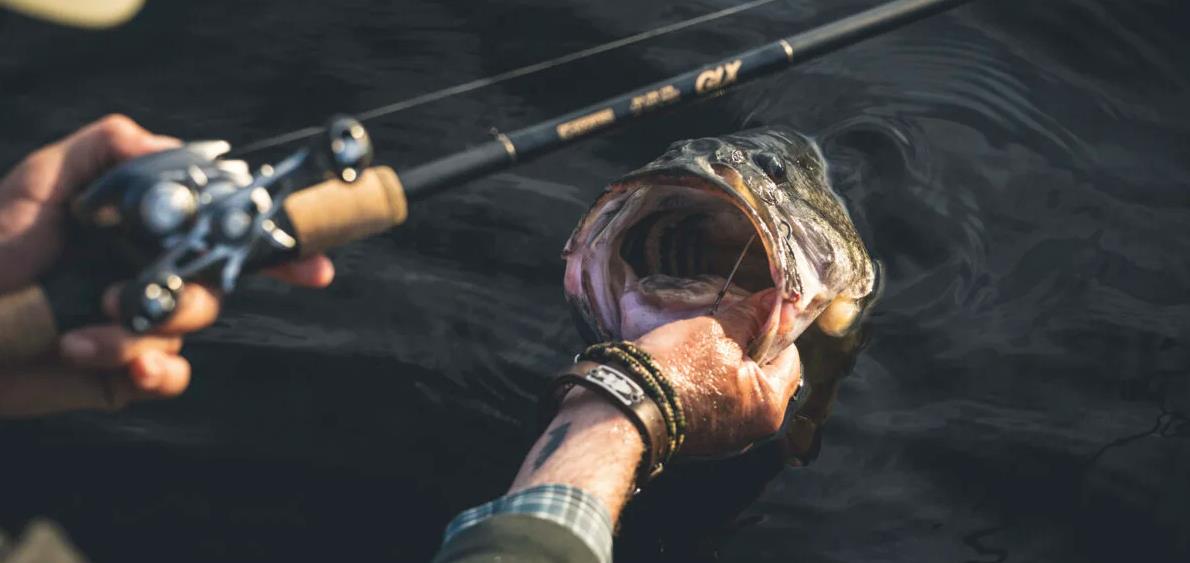
Baitcasting Reels for Precision Control
More experienced anglers often prefer baitcasting reels for certain techniques. These reels offer greater control over lure placement and line tension, which can be advantageous when targeting specific structure or working heavier lures.
However, baitcasters require more skill to use effectively from a kayak. Managing spool tension and preventing backlash can be more challenging when seated and dealing with movement from waves or current. Anglers choosing baitcasters should prioritize models with adjustable braking systems and corrosion-resistant components.
Gear Ratio and Real-World Performance
High gear ratios are not always ideal for kayak fishing. While they allow for fast retrieves, they can reduce torque when fighting strong fish. Many kayak anglers prefer moderate gear ratios that provide a balance between speed and power.
The ability to maintain steady pressure without overworking the reel is crucial, especially when the kayak itself may move during a fight. Smooth, reliable performance often matters more than raw speed.
Protection Against Water and Corrosion
Water intrusion is one of the leading causes of reel failure in kayak fishing. Reels designed with sealed drag systems and protective coatings last longer and perform more consistently. Even in freshwater environments, moisture and debris can quickly degrade internal components.
Regular maintenance is still essential, but starting with a reel built to handle exposure significantly reduces long-term issues.
Why Safety Tools Are Non-Negotiable for Kayak Anglers
Safety gear is not optional in kayak fishing—it is a fundamental part of the setup. Unlike larger boats, kayaks offer little margin for error. Preparation and accessibility can make the difference between a minor inconvenience and a serious emergency.
Personal Flotation Devices Designed for Fishing
A personal flotation device, or PFD, is the most important safety tool a kayak angler can carry. Fishing-specific PFDs are designed to be worn comfortably for long periods and often include pockets and attachment points for tools.
These PFDs allow for unrestricted arm movement while paddling and casting, making them far more practical than traditional life vests. Wearing a PFD at all times is strongly recommended, regardless of swimming ability or water conditions.
Leashes That Prevent Gear Loss
Rod leashes and paddle leashes are simple tools that prevent expensive equipment from being lost if dropped. In kayak fishing, even a momentary lapse can result in gear sinking out of reach.
Leashes also add a layer of safety during unexpected movements or capsizing events, keeping critical tools within reach and reducing recovery time.
Visibility and Signaling Equipment
Kayak anglers often fish during early morning or late evening hours when visibility is low. A whistle, signal light, or reflective elements can help others spot you on the water.
Visibility tools are particularly important in shared waterways where kayaks coexist with motorized boats. Being seen and heard reduces the risk of accidents and improves overall situational awareness.
Cutting Tools for Emergencies
Fishing line can become a serious hazard if it wraps around hands, legs, or equipment. A knife or line cutter that can be operated with one hand is an essential safety item.
These tools are not just for cutting bait or line—they can be critical in freeing yourself or others from entanglements quickly.
Additional Gear That Enhances Safety and Efficiency
Beyond rods, reels, and core safety tools, several additional items can significantly improve the kayak fishing experience.
Anchoring systems allow anglers to hold position in wind or current without constant paddling. Proper anchoring improves casting accuracy and reduces fatigue.
Dry bags protect electronics, clothing, and emergency supplies from water exposure. Even “water-resistant” items benefit from extra protection in a kayak environment.
Basic first-aid kits provide peace of mind and allow anglers to handle minor injuries without cutting a trip short.
Fish finders, while not essential, can dramatically improve efficiency by identifying structure, depth changes, and fish presence. Compact models designed for kayaks integrate well without adding excessive weight or complexity.
Organizing Gear for Accessibility and Balance
Gear organization is often overlooked, but it plays a major role in kayak safety and performance. Items should be placed within easy reach and secured to prevent shifting or loss.
Balancing weight evenly across the kayak improves stability and tracking. Heavy items stored too far to one side or too high can make the kayak feel unstable, especially in rough conditions.
Planning storage before launching helps avoid unnecessary movements on the water and reduces the risk of accidents.
Adapting Gear Choices to Different Environments
Kayak fishing environments vary widely, and gear should be adapted accordingly. Calm freshwater lakes allow for lighter setups and simpler safety requirements, while coastal or tidal environments demand more robust equipment and enhanced visibility.
Cold-water fishing introduces additional considerations, such as thermal protection and rapid response to immersion. Warm-water environments may prioritize sun protection and hydration.
Understanding the specific risks and demands of each environment helps anglers make informed gear choices that match their fishing goals.
Building a Reliable Kayak Fishing System
The most effective kayak fishing setups are not built overnight. They evolve as anglers gain experience and learn what works best for their style and environment.
Rather than focusing on brand names or trends, successful kayak anglers prioritize functionality, safety, and adaptability. Gear that performs reliably, withstands exposure, and remains accessible under pressure is far more valuable than the most expensive or advanced option.
Each piece of equipment should serve a clear purpose and integrate seamlessly into the overall system.
Final Thoughts on Essential Kayak Fishing Gear
Kayak fishing offers a unique blend of challenge and reward. With the right gear, anglers can explore new waters, target a wide range of species, and enjoy a deeper connection to the environment.
Rods and reels designed for kayak use improve control and efficiency, while proper safety tools provide confidence and peace of mind. Together, these elements create a foundation that allows anglers to focus on the experience rather than the risks.
By understanding the specific demands of kayak fishing and choosing gear accordingly, anglers can build setups that are safe, effective, and ready for whatever the water brings.
Whether you fish occasionally or spend every free weekend on the water, investing time in gear selection pays dividends in enjoyment, performance, and long-term success.