Fishing is a pastime that blends patience, skill, and a deep understanding of the natural environment. But anyone who has ever spent time by a lake, river, or the open ocean knows that success isn’t just about choosing the right rod, reel, or bait. One critical piece of gear often overlooked by beginners and even intermediate anglers is the fishing line. The type of line you use can significantly affect your casting distance, hook-setting ability, and even how many fish you catch. Among the vast options available, three types of fishing lines dominate the market: monofilament, fluorocarbon, and braided lines. Each has its own strengths, weaknesses, and ideal applications, and understanding these differences is essential for anglers who want to maximize their performance on the water.
This guide will break down the features, advantages, and ideal uses of each type, while also providing practical tips on choosing the right line for your fishing style. Whether you are a casual weekend angler or a dedicated competitor, knowing which line to use can make the difference between an empty day and a memorable catch.
Monofilament Line: The Classic Choice
Monofilament line is the most widely used type of fishing line, and for good reason. Developed in the mid-20th century, this line is made from a single strand of nylon, making it flexible, relatively inexpensive, and versatile for a variety of fishing situations.
Key Characteristics
- Elasticity: Monofilament has a high degree of stretch compared to other line types. This elasticity can act as a shock absorber, preventing hooks from pulling out when a fish makes a sudden run.
- Buoyancy: It floats more easily than other line types, which is beneficial for surface or topwater fishing.
- Ease of Use: Its flexibility makes it easier to tie knots and manage during casting.
- Cost: Monofilament is generally cheaper than fluorocarbon or braided lines, making it an attractive option for beginners or casual anglers.
Strengths
The flexibility and stretch of monofilament provide a forgiving line for newcomers. It’s especially advantageous for soft-plastic lures and topwater baits, where a more delicate touch is needed. Monofilament also wears well over time and is more resistant to abrasion than some might expect, although it does degrade with prolonged exposure to sunlight (UV damage).
Limitations
Monofilament does have some downsides. Its stretchiness, while beneficial in some scenarios, can reduce sensitivity when you’re trying to feel subtle bites or the bottom structure. It’s also more visible in water than fluorocarbon, which can be a disadvantage in clear lakes or streams. Over time, the line can weaken due to UV exposure, requiring more frequent replacement.
Ideal Uses
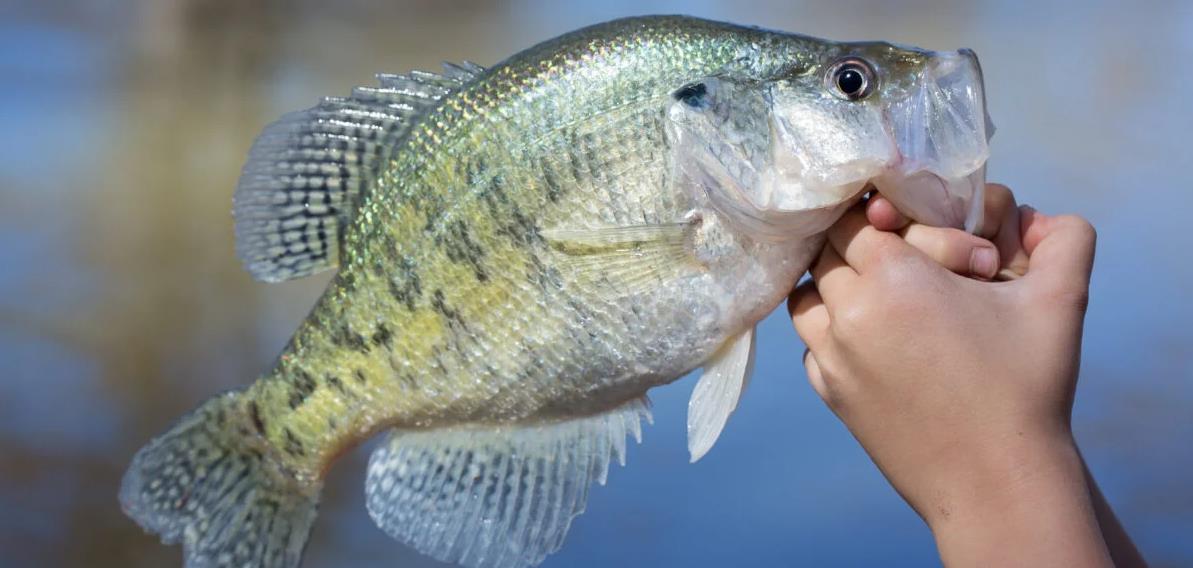
- Freshwater fishing: Monofilament excels for species like bass, sunfish, and crappie, particularly in lakes and slow-moving rivers.
- Topwater and floating lure techniques: Its buoyancy helps keep baits near the surface.
- Beginner anglers: Easy to handle, forgiving, and affordable.
In North America, monofilament remains a staple for many casual anglers, especially in regions like the Midwest and Southern U.S., where freshwater bass and panfish dominate recreational fishing. Its forgiving nature makes it ideal for long afternoons at the lake without constantly worrying about snapping lines.
Fluorocarbon Line: The Nearly Invisible Advantage
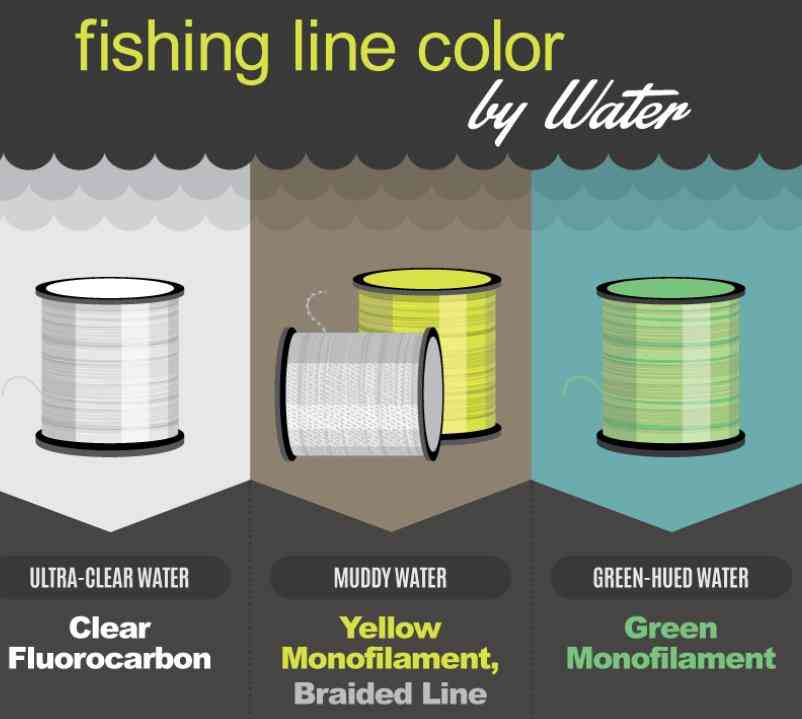
Fluorocarbon line is often referred to as “invisible” in the water, and this reputation is well-earned. Made from a polymer that closely matches the refractive index of water, fluorocarbon line becomes nearly invisible to fish, making it ideal for clear water or wary species.
Key Characteristics
- Low Visibility: Fluorocarbon’s primary advantage is its transparency underwater. Fish are less likely to detect it, which is crucial for pressured or finicky fish.
- Abrasion Resistance: This line is harder than monofilament, making it more resistant to sharp rocks, submerged logs, or teeth.
- Sinking Ability: Fluorocarbon sinks faster than monofilament, which is beneficial for bottom fishing and presentations near the substrate.
- UV Resistance: Fluorocarbon is less susceptible to sun damage and lasts longer than monofilament when exposed to sunlight.
Strengths
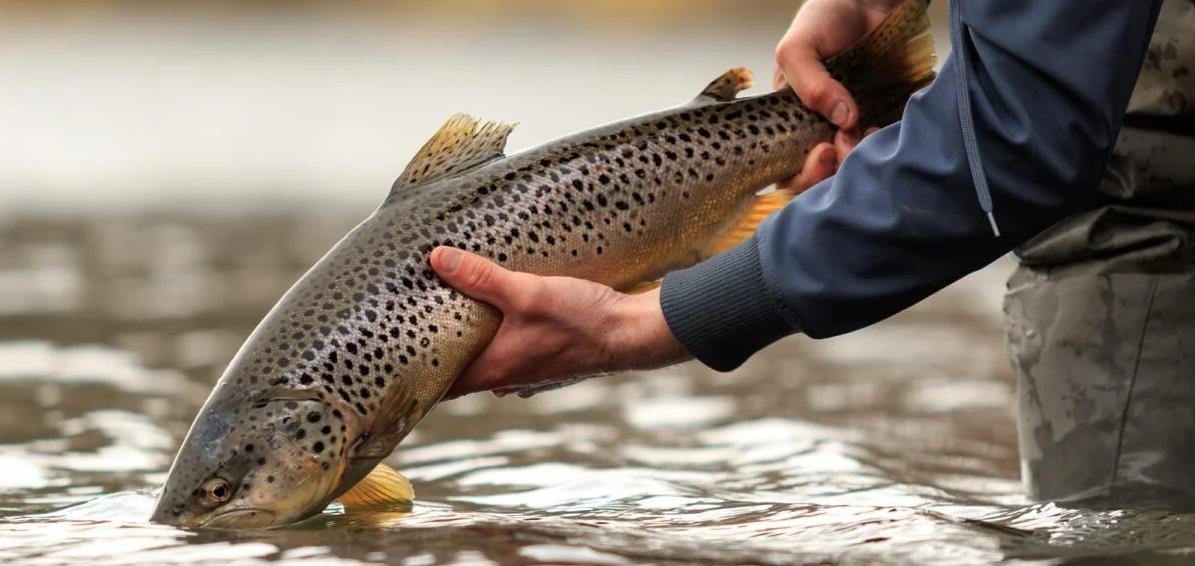
Fluorocarbon excels when subtlety is required. For clear rivers and lakes in North America or Europe, anglers often choose fluorocarbon to target trout, salmon, and other species that are highly line-shy. Its near-invisibility and abrasion resistance make it particularly suited for finesse fishing techniques, such as drop-shotting, light jigging, or finesse worm rigs. Fluorocarbon also holds up well when exposed to abrasive surfaces, ensuring fewer lost fish in rocky streams or structures.
Limitations
Despite its advantages, fluorocarbon has some downsides. It has very little stretch compared to monofilament, which can make it less forgiving when fighting larger fish. Some anglers find fluorocarbon slightly stiffer, which can affect casting distance and knot strength. Additionally, it is more expensive than monofilament, which might be a consideration for anglers who go through a lot of line quickly.
Ideal Uses
- Clear water fishing: When fish are easily spooked, fluorocarbon is the line of choice.
- Leader material for braided lines: Often paired with braided main lines to provide invisibility near the bait.
- Finesse and bottom fishing: Particularly effective for trout, walleye, and bass in pressured or clear waters.
In Europe, where anglers often fish for trout in crystal-clear streams in the Alps or the UK, fluorocarbon is a staple for presentations that require stealth. In North America, it’s common for competitive bass anglers and saltwater inshore anglers targeting species like redfish and snook.
Braided Line: Strength and Sensitivity
Braided line is a relatively modern innovation that has become increasingly popular due to its exceptional strength and sensitivity. Made from multiple strands of polyethylene fibers woven together, braided lines offer characteristics that monofilament and fluorocarbon simply cannot match.
Key Characteristics
- High Strength-to-Diameter Ratio: Braided line has tremendous tensile strength relative to its diameter, allowing anglers to spool more line onto a reel without increasing thickness.
- Zero Stretch: It provides direct feedback, making it easier to feel subtle bites or bottom structure.
- Longevity: Braided lines are extremely durable, resistant to abrasion, and can last for years with proper care.
- Casting Distance: Its thin diameter and smooth texture allow for longer casts with less effort.
Strengths
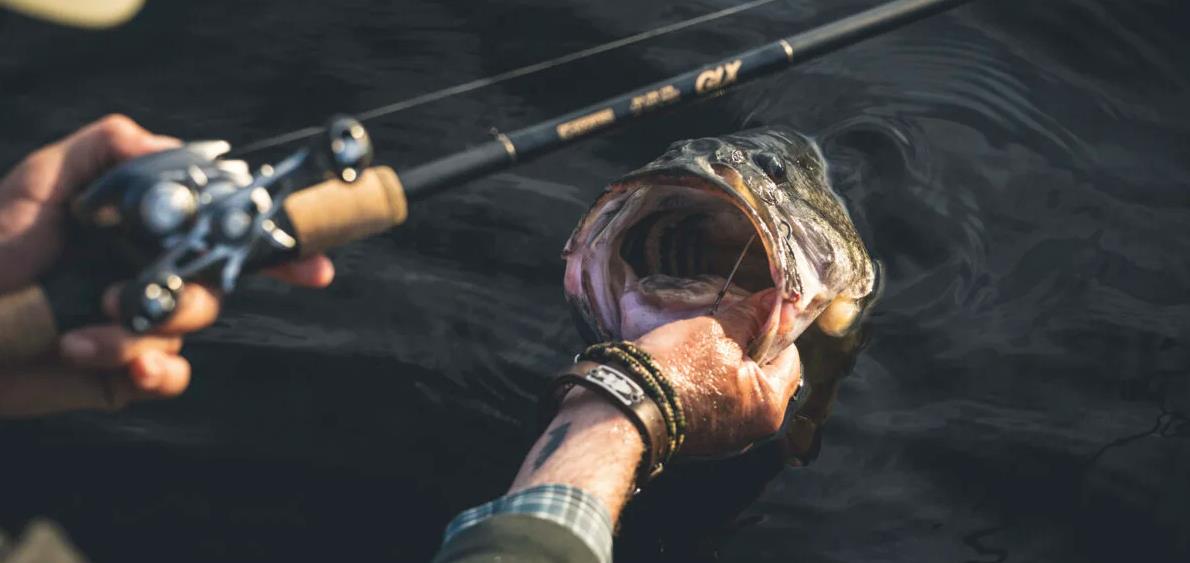
Braided line is ideal for scenarios where maximum strength, sensitivity, and casting distance are required. Anglers targeting big fish like largemouth bass in heavy cover, muskie, or saltwater species such as tarpon and redfish often rely on braided lines. Its zero-stretch property provides excellent hook-setting power, particularly in situations where a subtle nibble could be missed with monofilament or fluorocarbon.
Limitations
The main drawback of braided line is visibility. Its colored appearance makes it more noticeable in clear water, often requiring a fluorocarbon leader to reduce visibility. Additionally, it floats differently than monofilament or fluorocarbon, which can complicate certain topwater or drop-shot techniques. Braided lines are also more expensive than monofilament and require careful knot-tying to prevent slippage.
Ideal Uses
- Heavy cover and big fish: Perfect for fishing in weed beds, submerged timber, or deep-water structures.
- Saltwater fishing: Its strength and durability make it ideal for offshore species and inshore predators.
- Long-distance casting: Thin diameter and high strength enable precise, long-distance presentations.
In the United States, braided line is particularly popular in the Southern states for largemouth bass and in Florida for saltwater species. In Europe, competitive anglers also use braided lines for pike, zander, and other large freshwater predators.
Choosing the Right Line for Your Needs
Selecting the right fishing line depends on several factors: target species, water clarity, fishing technique, and even the type of rod and reel you are using. Here’s a quick comparison:
| Feature | Monofilament | Fluorocarbon | Braided |
|---|---|---|---|
| Stretch | High | Low | Very Low |
| Visibility in Water | Moderate | Very Low | Moderate to High |
| Abrasion Resistance | Moderate | High | Very High |
| Buoyancy | Floats | Sinks | Sinks (slowly) |
| Knot Strength | Good | Moderate to Good | Excellent (special knots) |
| Price | Low | Medium to High | Medium to High |
Practical Tips
- Beginner Anglers: Monofilament is forgiving, inexpensive, and easy to handle. Perfect for learning the basics.
- Clear Water or Finesse Fishing: Fluorocarbon offers invisibility and sensitivity for wary fish.
- Big Fish and Heavy Cover: Braided line gives strength and sensitivity when it matters most.
- Combination Use: Many anglers combine braided main line with a fluorocarbon leader, providing both strength and stealth.
Remember, the best line is not always the most expensive or the latest high-tech option. It’s about matching your line to the environment, your target species, and your preferred fishing techniques.
Common Misconceptions About Fishing Line
Even experienced anglers sometimes have misconceptions about fishing line:
- “Monofilament is inferior to fluorocarbon.”
Not true—monofilament excels in situations where elasticity and buoyancy matter. - “Thinner braided line is always better.”
While thinner line offers more line on the reel, it must be matched to the fish species and conditions. A mismatch can result in lost fish. - “Expensive line equals better performance.”
Price is not always proportional to effectiveness. Technique, line maintenance, and correct choice matter more than brand name.
Fishing line may seem like a small detail, but it is a critical component of successful angling. Monofilament, fluorocarbon, and braided lines each offer distinct advantages and trade-offs. Monofilament is versatile, buoyant, and forgiving; fluorocarbon is nearly invisible, abrasion-resistant, and perfect for finesse; braided line is strong, sensitive, and ideal for heavy cover or large fish.
The key to success is understanding your environment, your target species, and your preferred fishing style. A lake full of panfish in the Midwest calls for a different approach than a crystal-clear trout stream in the Alps or a saltwater inshore trip in Florida. By carefully choosing the right line—or combining lines—you can increase your chances of landing more fish and enjoying every moment on the water. In fishing, as in life, the right tools combined with knowledge make all the difference.