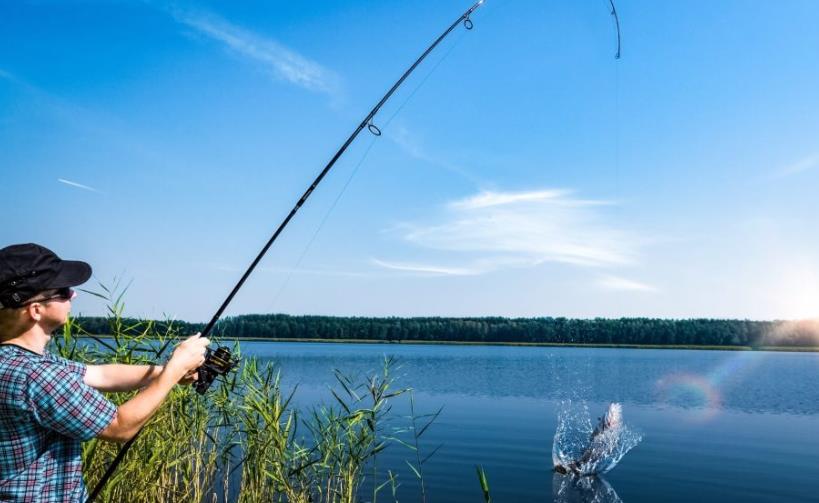
Hey fellas, Tom here. Let’s cut to the chase—lately, every time I’m at the bait shop or grabbing a beer with my fishing crew, the same question hits me: “Tom, why do I catch 10 fish one day and zero the next, even if I’m using the same gear and fishing the same spot?” The answer? Weather. Not just “it’s sunny” or “it’s raining”—the science behind barometric pressure, water temperature, wind, and even humidity dictates whether fish are feeding, hiding, or ignoring your bait entirely. Over 25 years of chasing fish from the Columbia River to Lake Okeechobee, from saltwater piers in Washington to freshwater lakes in Florida, I’ve learned this the hard way. I’ve wasted entire days fishing in the wrong weather, lost trophy fish because I didn’t read the sky, and finally cracked the code on how weather controls fish behavior.
First, let’s get one thing straight: This isn’t some “old fisherman’s tale” about “fish biting before a storm.” This is real science—oxygen levels, water density, fish metabolism, and instinct. I’m not here to throw fancy terms at you to sound smart; I’m here to break down the science in plain English, pair it with my own horror stories and wins, and show you how to use weather to your advantage. By the end of this guide, you’ll be the guy your friends call when they’re wondering if it’s worth grabbing their rod—and you’ll outfish them every time. Let’s dive in.
The #1 Weather Factor: Barometric Pressure (The Fish’s “Mood Ring”)
If you only learn one thing from this guide, let it be this: Barometric pressure (the weight of the air pressing down on the earth, measured in millibars or inches of mercury) is the single most important weather factor for fishing. Fish have an internal “barometer” called a swim bladder—a gas-filled organ that helps them control their depth. When pressure changes, their swim bladder expands or contracts, causing discomfort. That discomfort directly affects whether they feed or hide. It’s not magic; it’s physics, and I’ve seen it play out hundreds of times.
The Science (Simplified)
Barometric pressure ranges from about 980 millibars (low pressure, stormy weather) to 1040 millibars (high pressure, clear skies). Here’s how it impacts fish:
- High Pressure (1020+ mb): Clear, calm weather. High pressure compresses the swim bladder, making fish comfortable. They’re active, feed regularly, and stay in their normal feeding zones (shallow for bass, mid-water for walleye, near structure for salmon). The water holds more oxygen because high pressure pushes oxygen from the air into the water—fish don’t have to work as hard to breathe, so they have more energy to feed.
- Low Pressure (Below 1000 mb): Cloudy, rainy, or stormy weather. Low pressure causes the swim bladder to expand, which is painful for fish. They become lethargic, move to deeper water (where pressure is more stable), and stop feeding. Low pressure also reduces oxygen levels in the water—fish spend more energy breathing, so they don’t waste energy chasing bait. Ever fished a muggy, cloudy day and gotten skunked? Blame low pressure.
- Pressure Changes (More Important Than the Number): A steady pressure (high or low) is better than a rapidly changing one. Fish adapt to steady pressure, but a sudden drop (like before a storm) or sudden rise (like after a storm) throws them off. The best fishing is right before a pressure drop (fish feed heavily to stock up before the storm) and right after a pressure rise (fish recover and feed aggressively to make up for lost time).
My Personal Nightmare (And Win) With Pressure
A few years back, I planned a 3-day king salmon trip on the Columbia River. The forecast said high pressure (1025 mb) for the first two days, then a sudden drop to 995 mb on the third. I ignored the pressure change—figured “a fish is a fish.” Day 1: Caught 4 kings, including a 28-pounder. Day 2: Caught 3 more. Day 3: I fished from dawn to dusk, and didn’t get a single bite. The water was calm, the bait was fresh, but the fish were gone. I later checked the pressure— it had dropped 30 mb overnight. Those salmon had moved to deep water, hiding until the pressure stabilized. That’s $100 in bait and gas wasted, all because I didn’t pay attention to pressure changes.
On the flip side, last spring I fished Lake Erie the day before a thunderstorm. The pressure was dropping fast (from 1015 mb to 1000 mb), and I figured I’d give it an hour. Within 30 minutes, I caught 7 walleye—all big ones. They were feeding like crazy to stock up before the storm hit. I even called my buddy Mike, told him to get down there, and he caught 5 more. That’s the power of reading pressure changes—not just the number on the gauge.
Pro Tip (From a Guy Who Learned the Hard Way)
Download a weather app that shows barometric pressure (I use Windy—it’s free and shows hourly pressure changes). Check it the night before your trip and the morning of. If pressure is steady or rising, go fish. If it’s dropping rapidly, fish early (before the drop) or wait until after the storm passes. And don’t just look at the current pressure—look at the trend. A steady 1005 mb is better than a 1020 mb that’s dropping 5 mb per hour. Most importantly, remember the sweet spot: pressure between 1000–1025 mb, with a slow, steady rise, is when fish are most active[3].
Water Temperature: The Fish’s “Thermostat” (Science You Can Feel)
Fish are cold-blooded, which means their body temperature matches the water temperature. Their metabolism, energy levels, and feeding habits are directly tied to how warm or cold the water is. This isn’t just “fish like warm water”—it’s about optimal temperature ranges for each species, and how weather (sun, rain, wind) changes that temperature. I’ve caught more fish by checking water temp than any other trick—and I’ve wasted more trips by ignoring it.
The Science (Simplified)
Each fish species has an optimal temperature range where their metabolism is highest, and they feed the most. When water temp is above or below that range, they become sluggish and stop feeding. Weather affects water temp in two key ways: (1) Sunlight warms the water (shallow water warms faster than deep water), and (2) Rain, wind, or cold fronts cool it down (or warm it up, in the case of spring rain).
Here’s the optimal temp range for the fish we all chase (I’ve memorized these after 25 years):
- Bass (Largemouth/Smallmouth): 65–75°F (18–24°C). They’re most active here—feed aggressively on plastic worms, jigs, and crankbaits. Below 55°F, they slow down; above 85°F, they move to deep, cool water.
- Walleye: 50–65°F (10–18°C). They love cool water—feed best in spring and fall. In summer, when water temp hits 75°F+, they move to deep holes or shaded areas.
- Salmon (Chinook/Coho): 45–60°F (7–15°C). Cold water is their jam—they’ll stop feeding if water temp goes above 65°F. That’s why salmon fishing is best in spring and fall, when rain and cool winds keep water temps low.
- Pike: 60–70°F (15–21°C). They’re more tolerant of warm water than salmon, but still slow down above 75°F.
My Personal Mistake (And How I Fixed It)
Early in my fishing days, I went bass fishing on Lake Okeechobee in July. It was 95°F outside, and I figured the bass would be feeding in the shallow grass. I fished for 6 hours, got one small bass. I was confused—same spot, same lure, same time of day as my last trip (which had 12 bass). Then I checked the water temp: 88°F. Way above the bass’s optimal range. Those bass were hiding in deep, cool water near the dam, not in the shallow grass. I came back the next morning, after a cold front moved through—water temp dropped to 72°F—and caught 10 bass in 2 hours. Lesson learned: Always check water temp before you cast. I keep a cheap digital thermometer (costs $5 at Walmart) in my tackle box—best $5 I ever spent.
Another example: Last fall, I fished the Winnipeg River for pike. The air temp was 50°F, but the water temp was still 65°F (thanks to warm, sunny days). The pike were feeding like crazy—caught 8 in an hour. My buddy showed up, saw the cool air temp, and said, “No way the pike are active.” I showed him the water temp, and he ended up catching 5 more. Air temp lies—water temp tells the truth.
Pro Tip
In summer, fish early morning or late evening—sunlight is less intense, so water temp is cooler. In winter, fish midday—sunlight warms shallow water, and fish move there to feed. After rain, check water temp: heavy rain can cool shallow water by 5–10°F in summer (a good thing for bass/walleye) or warm it by a few degrees in winter (also a good thing). And remember: Shallow water changes temp faster than deep water—use that to your advantage. If the air is cold but the sun is bright, fish shallow; if it’s hot and sunny, fish deep.
Wind: More Than Just a Nuisance (It’s a Fish Feeder)
Most guys hate fishing in the wind—it makes casting hard, tangles your line, and blows your hat off. But I love wind (most of the time). Wind isn’t just a nuisance—it’s a natural fish feeder. The science is simple: Wind stirs up the water, which mixes oxygen into the water (good for fish) and pushes baitfish (minnows, shad) toward the shore. Where baitfish go, predator fish follow. I’ve caught more trophy fish on windy days than calm days—you just have to know how to fish the wind.
The Science (Simplified)
Wind creates currents, which stir up the water column. This does two key things: (1) Increases oxygen levels—fish need oxygen to breathe, so more oxygen means more active fish. (2) Pushes plankton, insects, and small baitfish toward the downwind shore. Predator fish (bass, walleye, salmon) position themselves on the downwind side to ambush the baitfish as they get pushed in. Wind also breaks up the surface of the water, making it harder for fish to see you—so they’re less skittish.
But not all wind is good. Here’s the breakdown by wind speed and direction, based on seasons[1]:
- Light Wind (5–10 mph): Perfect. Creates gentle currents, mixes oxygen, and pushes baitfish. Fish are active, and casting is still manageable.
- Strong Wind (15+ mph): Tricky. Too much wind makes casting hard, and currents can be too strong for fish to feed. But if you can find a sheltered spot (behind a rock, tree, or pier), you can still catch fish—they’ll hide there to avoid the strong current.
- Wind Direction (Seasonal):
- Spring: South winds bring warm, moist air, stabilizing water temps—perfect for early-season bass and walleye. Fish避风 spots in early spring, or fish逆风 in shallow water by mid-spring.
- Summer: North winds (usually after rain) cool water temps—ideal for bass and walleye. Fish逆风 to target baitfish pushed in by the wind; if wind is strong, use a double-lead setup to keep your lure in place.
- Fall: North winds trigger fall feeding sprees—great for salmon and pike. Fish逆风 in shallow water (unless wind is too strong), and target areas where wind hits structure (kelp beds, rock piles).
- Winter: Light south or southeast winds keep water temps stable—best for cold-water fish like walleye. Fish避风 spots, and prioritize shelter over sun if there’s no cover.
My Personal Win With Wind
Two years ago, I fished Lake Erie on a windy day—10 mph north wind, cloudy. My buddy bailed, said, “Too windy to fish.” I stayed, and here’s what I did: I fished the downwind shore, cast my jig into the current, and let the wind carry it. The wind pushed minnows toward the shore, and the walleye were waiting. I caught 9 walleye in 3 hours, including a 7-pounder. My buddy showed up later, saw my catch, and kicked himself. The wind wasn’t a nuisance—it was my secret weapon. I even used the wind to my advantage: instead of fighting it, I let it carry my lure to the fish. That’s the key—don’t fight the wind, use it.
Another trick: On windy days, use heavier lures (1/4oz instead of 1/8oz) to keep your line from tangling. I once used a light jig on a windy day and spent more time untangling line than fishing. Switched to a heavier jig, and it stayed in place—caught 4 walleye in 30 minutes. Simple fix, but it took me years to figure it out.
Rain & Thunderstorms: Danger (For You) and Opportunity (For Fish)
Rain is a double-edged sword. Light rain can trigger a feeding frenzy, but heavy rain and thunderstorms can be dangerous (for you) and bad for fishing (for the fish). Let’s break down the science, the do’s and don’ts, and my personal close call with a thunderstorm.
The Science (Simplified)
Light rain (drizzle, light showers) is great for fishing. It cools the water (good in summer), washes insects and terrestrial food (worms, ants) into the water (free bait for fish), and breaks up the surface (fish can’t see you). Heavy rain, though, is bad: it floods rivers, muddies the water (fish can’t see your bait), and causes rapid water temp changes (throws fish off). Thunderstorms are even worse—not just for fishing, but for your safety.
Thunderstorms bring lightning, and here’s the critical safety fact: Fishing rods (especially metal ones) act like lightning rods, and water is a conductor of electricity. If you’re holding a rod near water during a thunderstorm, you’re putting yourself at risk of a fatal lightning strike[2]. I’ve seen guys ignore this, and it’s not worth it—fish can wait, your life can’t.
My Personal Close Call (Don’t Be Stupid Like Me)
Early in my fishing days, I was salmon fishing on the Columbia River during a thunderstorm. I thought, “It’s just a little lightning—no big deal.” I kept fishing, and then I heard a crack of thunder right above me. I looked up, saw a bolt of lightning hit a tree 50 yards away, and dropped my rod immediately. I ran to my truck, soaked, and realized how stupid I was. That tree was charred—if I’d been holding my rod (which was metal), I could’ve been killed. Now, if I see lightning or hear thunder, I pack up and leave—no exceptions. Remember: If you see lightning and hear thunder within 30 seconds, you’re in the danger zone[2]. Put down your rod, leave the water, and find shelter in a building with lightning protection (not a small tent or tree).
On the flip side, light rain is my favorite time to fish. Last summer, I fished Lake Okeechobee during a light drizzle. The water temp dropped 5°F, insects were washing into the water, and the bass were feeding like crazy. I caught 12 bass in 2 hours, including a 9-pounder. The rain kept other anglers away, so I had the spot to myself. Pro move: Fish light rain in the early morning—fish are already active, and the rain makes them even hungrier.
Pro Tips (Safety First)
- Light rain: Fish on—use natural bait (worms, minnows) or dark-colored lures (fish can see them better in murky water).
- Heavy rain: Stay home—water is too muddy, fish are hiding, and currents are too strong.
- Thunderstorms: LEAVE. Put down your rod, get away from the water, and don’t return until 30 minutes after the last lightning strike[2]. If you’re caught in the open, find a low-lying area, squat down with your feet together, and don’t touch any metal.
- Post-rain: Fish 1–2 hours after the rain stops. Water temp has stabilized, baitfish are active, and fish are feeding to make up for lost time. I once caught 5 walleye 30 minutes after a light rain—best part of the day.
Humidity & Cloud Cover: The “Hidden” Weather Factors
Most guys ignore humidity and cloud cover, but they’re secret weapons. Humidity affects how fish perceive your bait (smell travels farther in humid air), and cloud cover affects how active fish are (they’re less skittish in cloudy weather). I’ve learned to use both to my advantage, and it’s made a huge difference in my catch rate.
The Science (Simplified)
Humidity: Fish have a strong sense of smell—they use it to find bait. In high humidity (above 70%), air holds more moisture, which makes scent travel farther in the water. That means your bait (live or artificial) will smell stronger to fish, making them more likely to find it. In low humidity (below 50%), scent travels less, so you need to use stronger-smelling bait (like nightcrawlers or garlic-scented lures).
Cloud Cover: Clouds block sunlight, which does two things: (1) Cools the water (good in summer), and (2) Makes fish less skittish. Fish are prey too—they hide from predators (including birds) in bright sunlight. On cloudy days, they feel safer, so they move into shallow water to feed. Cloudy days are perfect for fishing shallow water for bass, walleye, and perch.
My Personal Experience
I once fished Lake Erie on a humid summer day (80% humidity) with garlic-scented jigs. I caught 8 walleye in an hour—my buddy, who was using regular jigs, caught 2. The humidity made the garlic scent travel farther, and the walleye could smell it from yards away. Another time, I fished a cloudy day in spring—no wind, high humidity—and caught 10 bass in shallow water. The clouds kept the sun off the water, so the bass felt safe feeding near the shore. On sunny days, those same bass were hiding in deep water.
Pro tip: On humid days, use scented lures or live bait. On cloudy days, fish shallow water with bright-colored lures (fish can see them better in low light). On sunny days, fish deep water or shaded areas (under trees, docks) and use natural-colored lures (to blend in).
Tom’s Weather Fishing Golden Rules (Learned the Hard Way)
After 25 years of fishing through every weather condition imaginable, I’ve got 5 rules that will save you time, money, and frustration. Follow these, and you’ll outfish 90% of anglers who ignore the weather:
- Check Barometric Pressure First: Steady or rising pressure = go fish. Rapidly dropping pressure = fish early or stay home. Use a free app to track pressure trends—don’t just look at the current number. Remember the sweet spot: 1000–1025 mb with a slow rise[3].
- Always Check Water Temp: Buy a cheap digital thermometer—$5 will save you hours of skunked trips. Match your fishing spot to the optimal temp for your target species (bass: 65–75°F, walleye: 50–65°F, salmon: 45–60°F).
- Use Wind to Your Advantage: Fish downwind shores (baitfish get pushed there) on light windy days. Use heavier lures to avoid tangles. In strong wind, find sheltered spots—fish hide there.
- Safety First in Storms: Lightning + water + fishing rod = disaster. Leave immediately if you see lightning or hear thunder. Light rain is good; heavy rain is bad. Post-rain is prime fishing time.
- Don’t Ignore Humidity & Clouds: High humidity = scented bait. Cloudy days = shallow water. Sunny days = deep water or shaded areas. These small factors make a big difference.
Final Thoughts: Weather Isn’t an Excuse—It’s a Tool
Guys, I’ve heard every excuse: “It’s too windy,” “It’s too cloudy,” “It’s too hot.” But the best anglers don’t let weather stop them—they use it to their advantage. Fishing isn’t about luck; it’s about understanding the science behind weather and how it affects fish behavior. I’ve caught more fish on “bad” weather days than “good” ones, because I took the time to learn the science and apply it.
You don’t need a fancy weather station or a degree in marine biology. Just check the pressure, water temp, wind, and cloud cover, and use the tips I’ve shared. Remember my mistakes—don’t fish during thunderstorms, don’t ignore pressure changes, don’t skip checking water temp. Those mistakes cost me time, money, and even nearly my life—but they taught me everything I know.
Next time your buddy says, “It’s not a good day to fish,” show them this guide, check the weather, and go catch fish. You’ll be the guy they call for weather tips, and you’ll outfish them every time. And if you get stuck—hit me up. I’ll help you read the sky, adjust your gear, and land the big one.
Remember, the best fishermen don’t just fish—they read the weather. Tight lines, fellas—see you out there.
– Tom, Your Local Fishing Guy Who’s Fished Through Every Weather (And Survived a Lightning Strike to Prove It)