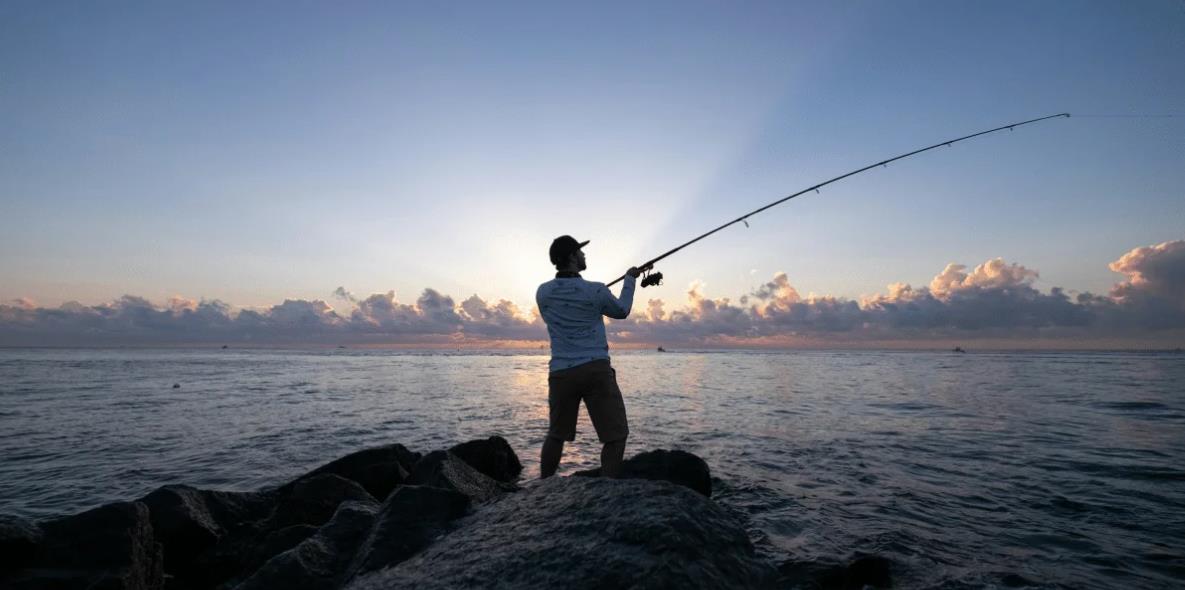
In a world where people are constantly connected to technology, many individuals are searching for simple ways to slow down and reconnect with nature. One activity that continues to grow in popularity across North America and Europe is fishing. While many people see fishing purely as a recreational hobby, it actually offers a wide range of health benefits that go far beyond catching fish.
Fishing combines fresh air, gentle physical movement, patience, and the calming influence of water and natural surroundings. Whether someone is casting a line in a quiet mountain lake, standing on a riverbank at sunrise, or enjoying a peaceful afternoon by the ocean, fishing can have a powerful effect on both physical and mental well-being.
For centuries, people have turned to nature as a source of healing. Fishing represents one of the simplest and most accessible ways to experience that connection. From reducing stress and anxiety to encouraging physical activity and even improving diet, fishing offers a unique combination of benefits that make it one of the healthiest outdoor activities available.
The Calm of Water and Its Effect on the Human Mind
Water has always had a special influence on the human mind. Psychologists often refer to the calming psychological effect of being near water as the “blue mind” phenomenon. Lakes, rivers, and oceans create a sense of tranquility that helps slow down racing thoughts and encourages relaxation.
Fishing naturally places people in these peaceful environments. The quiet rhythm of casting and waiting allows the brain to shift away from the fast-paced stress of everyday life. Instead of focusing on deadlines, emails, and social media notifications, a person becomes more aware of subtle sounds—the movement of the water, the wind through the trees, or birds flying overhead.
This slower mental pace encourages mindfulness, a state in which people become fully present in the moment. Mindfulness is widely recommended by mental health professionals as a powerful way to reduce stress and improve emotional well-being. Fishing provides this experience naturally, without the need for complicated techniques or training.
Many anglers describe fishing as a form of meditation. The simple act of focusing on the line, the lure, and the water allows the mind to settle. Over time, this can lead to improved concentration and greater emotional balance.
Fishing as a Natural Stress Reliever
Modern life often exposes people to constant stress. Work responsibilities, financial concerns, and information overload can create mental fatigue. Spending time fishing provides a powerful escape from these pressures.
When people step away from crowded cities and noisy environments, the body begins to relax. Stress hormones such as cortisol decrease when individuals spend time in natural settings. Fresh air, sunlight, and open landscapes encourage the body to enter a calmer physiological state.
Fishing also encourages patience. Unlike fast-paced entertainment, fishing rewards those who slow down and accept that results take time. Waiting for a bite may seem simple, but it trains the brain to tolerate stillness and quiet. This can be incredibly valuable in a culture that constantly demands immediate results.
For many people, fishing becomes a personal ritual for managing stress. Even a few hours by the water can leave someone feeling refreshed, mentally clearer, and emotionally lighter.
Gentle Physical Activity That Supports Long-Term Health
Although fishing may appear to be a passive activity, it actually involves a surprising amount of physical movement. Walking along riverbanks, hiking to remote fishing spots, wading through shallow water, and carrying equipment all contribute to daily physical activity.
Unlike high-impact sports that may strain joints or muscles, fishing offers low-impact exercise that is suitable for people of many ages. This makes it particularly appealing for individuals who want to stay active without engaging in intense workouts.
Casting a fishing rod repeatedly works the arms, shoulders, and upper body. Maintaining balance on uneven terrain engages the core muscles. Even standing for extended periods can help improve circulation and posture.
Outdoor activity also increases exposure to natural sunlight, which helps the body produce vitamin D. This vitamin plays an essential role in bone health, immune function, and mood regulation.
For those who choose to explore different fishing locations, the activity may involve hiking, kayaking, or boating. These additional forms of movement can turn a fishing trip into a full day of healthy outdoor exercise.
The Mental Health Benefits of Time in Nature
Nature therapy has become an increasingly important topic in mental health research. Studies have shown that spending time in natural environments can reduce symptoms of anxiety, depression, and burnout.
Fishing provides one of the most accessible ways to experience these benefits. Unlike many outdoor sports that require high levels of skill or physical strength, fishing is relatively easy to learn. This allows people of all ages to enjoy the calming effects of nature.
Natural environments stimulate the senses in subtle ways. The scent of water and vegetation, the sound of flowing streams, and the sight of open landscapes all contribute to psychological restoration. These sensory experiences help the brain recover from the mental fatigue created by urban environments.
Many people report that their most creative ideas emerge while fishing. The relaxed mental state encourages reflection and imaginative thinking. Writers, artists, and entrepreneurs often use quiet outdoor time as an opportunity to process thoughts and generate new ideas.
Disconnecting From Technology and Digital Stress
One of the most significant benefits of fishing in the modern age is the opportunity to disconnect from digital devices. Smartphones, social media, and constant notifications have created a culture of continuous distraction.
Fishing naturally encourages a break from screens. Many fishing locations have limited phone reception, which makes it easier to step away from digital communication. Without the pressure to respond to messages or emails, the brain can finally rest.
This concept, often referred to as a digital detox, has become increasingly popular among people seeking healthier lifestyles. Spending a day fishing allows individuals to focus on real experiences rather than virtual interactions.
During this time, people often rediscover simple pleasures—watching the movement of water, observing wildlife, or enjoying a quiet conversation with a friend. These experiences can feel surprisingly refreshing after long periods of digital overload.
Fishing and the Benefits of Fresh, Healthy Food
Fishing also connects people to a healthier relationship with food. Catching fish provides access to fresh, natural protein that is rich in essential nutrients. Many fish species contain high levels of omega-3 fatty acids, which support heart health and brain function.
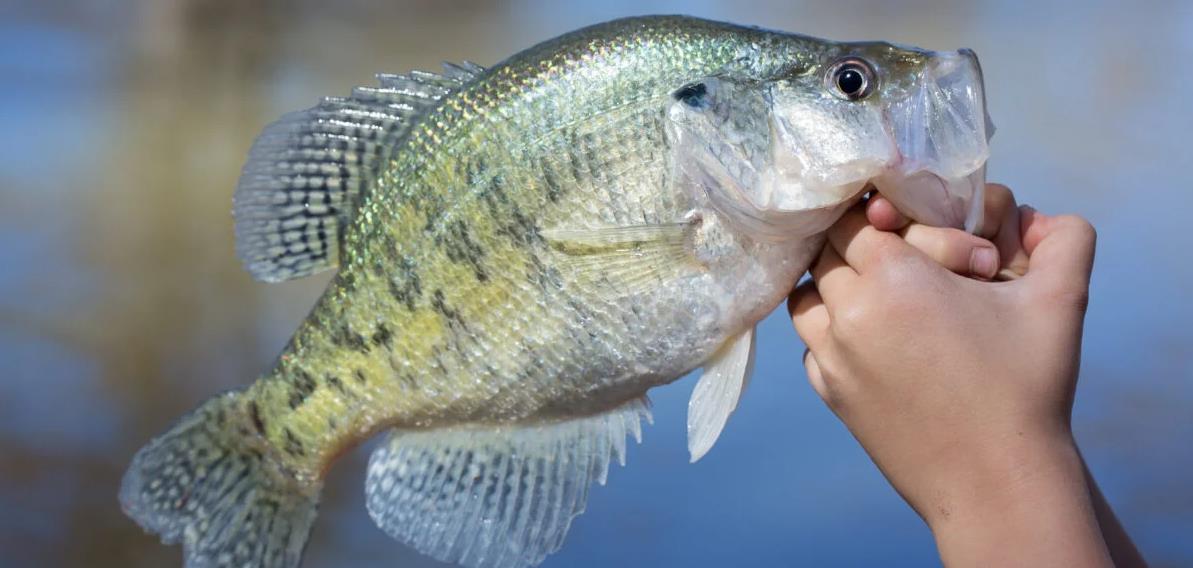
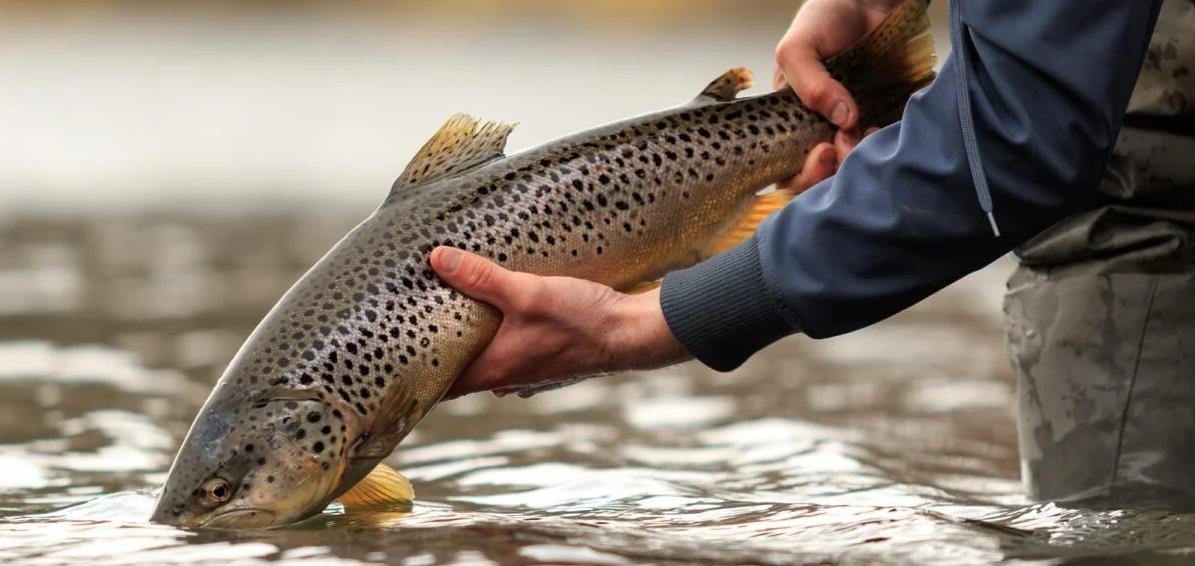
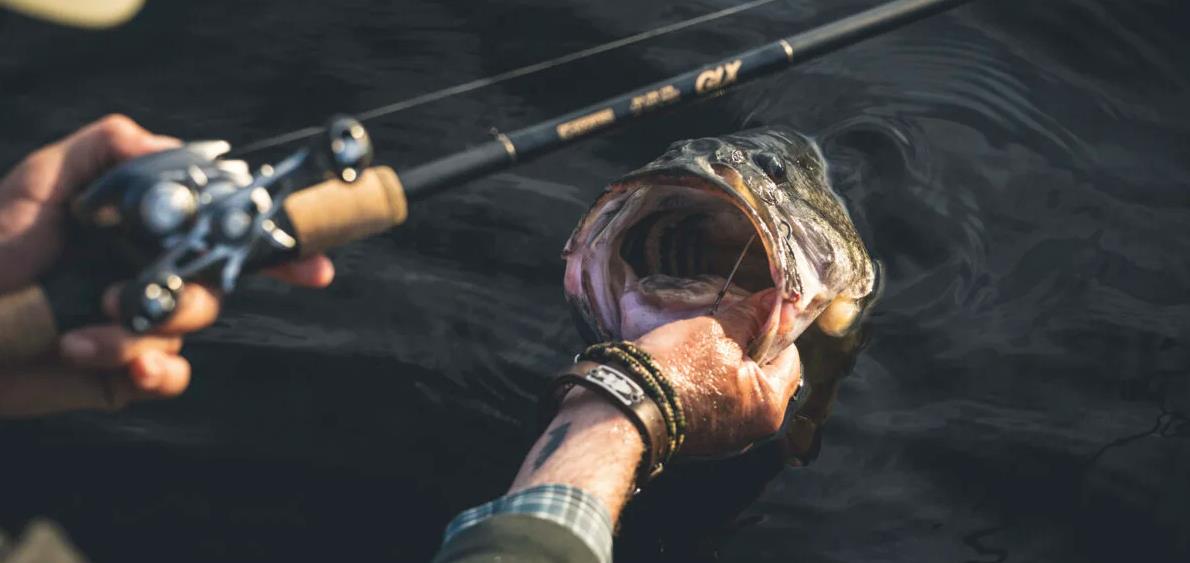
Fish such as salmon, trout, and bass are commonly enjoyed in many parts of the world. These fish provide lean protein, vitamins, and minerals that contribute to a balanced diet.
When people catch their own fish, they often develop a greater appreciation for where their food comes from. This awareness can encourage healthier eating habits and a stronger connection to the natural environment.
Preparing and cooking freshly caught fish can also become a rewarding part of the fishing experience. Many anglers enjoy sharing their catch with family and friends, turning a day outdoors into a memorable meal.
Strengthening Social Connections
Fishing is often seen as a solitary activity, but it also has a strong social component. Friends, families, and communities frequently gather for fishing trips, tournaments, or weekend outings.
Spending time together in a relaxed outdoor setting allows people to have deeper conversations than they might in busy daily environments. Without the distractions of technology and noise, relationships often become stronger.
For parents, fishing can be an excellent way to bond with children. Teaching a child how to cast a line or identify different fish species creates meaningful shared experiences. These moments often become lasting memories that shape a child’s appreciation for nature.
Fishing communities also play an important role in many regions. Local anglers often share knowledge, stories, and advice with one another, creating a sense of belonging and tradition.
Fishing as a Lifelong Hobby
One of the greatest advantages of fishing is that it can be enjoyed throughout a person’s life. Unlike many sports that become difficult with age, fishing remains accessible for older adults.
Many retirees discover that fishing provides structure, purpose, and enjoyment during their free time. The activity encourages them to stay active while also offering peaceful moments of reflection.
Because fishing can be practiced in so many different environments—lakes, rivers, oceans, or ponds—it provides endless opportunities for exploration. Each location offers new challenges and experiences, keeping the hobby engaging for decades.
This long-term engagement can contribute to overall life satisfaction. Having a meaningful hobby encourages people to spend more time outdoors, remain socially connected, and maintain a positive outlook.
Why Fishing Fits Perfectly Into a Healthy Lifestyle
When people think about improving their health, they often imagine intense workouts, strict diets, or complex wellness routines. While those approaches can certainly help, sometimes the most powerful changes come from simple habits.
Fishing represents one of those simple habits. It encourages movement, relaxation, social interaction, and time in nature—all of which contribute to a balanced lifestyle.
Instead of viewing health only through the lens of exercise or nutrition, fishing reminds people that well-being is also about slowing down, enjoying the natural world, and finding moments of quiet joy.
For many anglers, the reward is not just the fish they catch. The real benefit lies in the experience itself—the peaceful hours spent near water, the fresh air, and the sense of connection to something larger than everyday life.
Fishing is far more than a recreational pastime. It offers a powerful combination of mental, physical, and emotional health benefits that make it one of the most rewarding outdoor activities available.
By reducing stress, encouraging gentle physical activity, promoting mindfulness, and reconnecting people with nature, fishing supports a healthier and more balanced way of living. In an age where many individuals feel overwhelmed by constant information and digital distractions, the quiet simplicity of fishing provides a valuable escape.
Whether someone is an experienced angler or a beginner picking up a fishing rod for the first time, spending time by the water can bring surprising improvements to overall well-being. Sometimes, the path to better health does not require complicated routines or expensive equipment. It may simply begin with a quiet lake, a fishing line, and the patience to enjoy the moment.