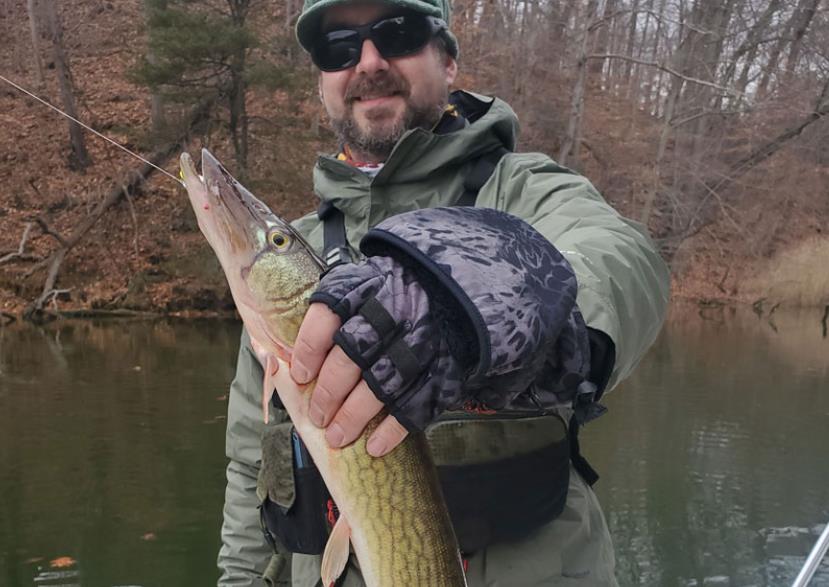
Hey guys, Tom here. If you’ve bugged me one more time about “how to get started fishing” or “what gear I actually need,” this one’s for you. I’ve been casting lines since I was 12 years old—started with a beat-up hand-me-down rod from my old man, fished every lake, river, and coastal inlet within a 100-mile radius of my house, and made every mistake you can imagine (yes, including hooking my own hat… twice). This isn’t some generic, copy-pasted guide you’ll find online—it’s the stuff I wish someone had told me when I was just starting out, mixed with 30+ years of hard-won, fish-tested experience. No fluff, no robot talk—just straight-up, practical advice that’ll get you catching fish (and not looking like a rookie) faster than you think.
First off, let’s get one thing straight: You don’t need a $1,000 setup to catch fish. I’ve seen guys with top-of-the-line rods and reels go home empty-handed, while a kid with a $20 spinning rod pulls in a monster bass. Fishing is about patience, knowing the water, and understanding the basics—not how much money you spend. That said, you do need the right gear (not the fanciest) and the right mindset. Let’s break this down step by step, like I’d explain it to you over a cold beer after a long day on the water.
1. Gear 101: What You Actually Need (And What You Can Skip)
Let’s start with the basics—gear. I’m not gonna overwhelm you with jargon, but I will tell you exactly what to buy (and what to avoid) so you don’t waste cash. When I first started, my old man told me, “Buy cheap, buy twice”—and he was right. But that doesn’t mean you need to splurge. Here’s my go-to starter kit, the same one I recommend to every new angler who asks:
Rods & Reels: Stick to Spinning (Trust Me)
For beginners, spinning rods and reels are non-negotiable. They’re easy to cast, forgiving if you mess up, and work for almost every type of freshwater fishing (bass, trout, panfish) and even light saltwater (like inshore redfish or flounder). I still use a spinning setup 70% of the time—old habits die hard, but also because they’re just that versatile.
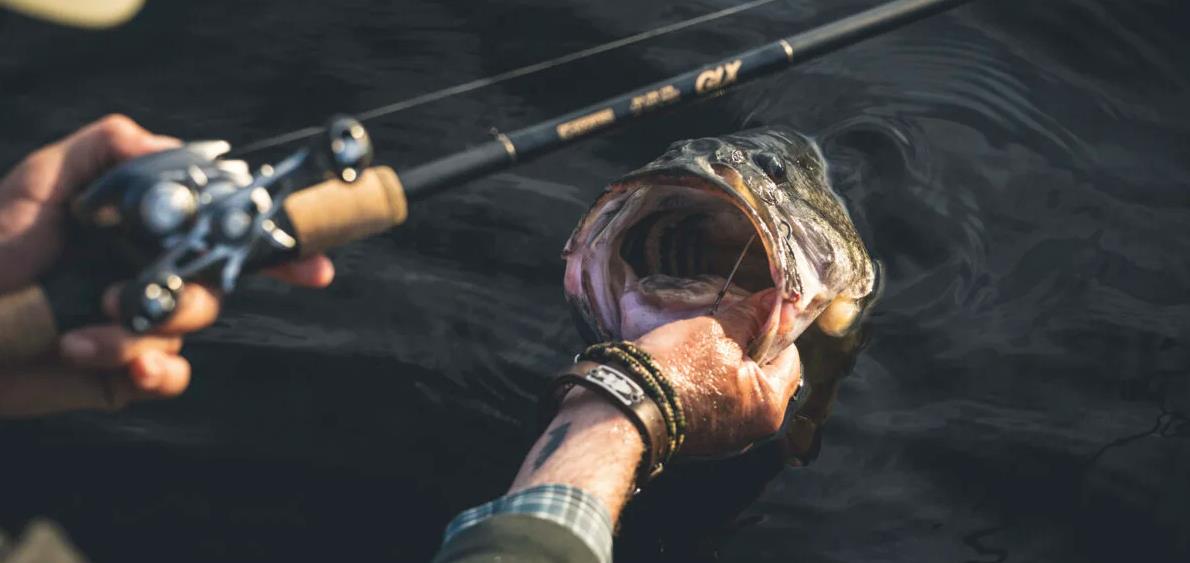
Avoid baitcasting reels at first. I know they look cool, but they’re tricky to master—you’ll end up with a “bird’s nest” (tangled line) within 5 casts, and that’ll kill your motivation faster than a skunked day. Trust me, I spent a month untangling line before I got the hang of baitcasters, and you don’t need that frustration as a beginner.
What to buy: A 6.5–7 foot medium-light spinning rod (too short and you won’t cast far, too long and it’ll be hard to handle) paired with a 2500–3000 size spinning reel. Brands? I’ve used Shimano, Penn, and even Walmart’s Berkley rods—you don’t need to spend more than $100 for a combo that’ll last you 5+ years. My first spinning combo was $40, and I caught my first 5-pound bass with it. Quality matters, but brand hype doesn’t.
Line: Don’t Overcomplicate It
Line is where most beginners mess up. Too heavy, and the fish will see it; too light, and you’ll snap it when you hook a decent fish. For freshwater, start withmonofilament line (10–12 lb test for bass/panfish, 6–8 lb test for trout). It’s cheap, easy to handle, and has some stretch—perfect for beginners (stretch helps you not yank the hook out of a fish’s mouth, which I’ve done way too many times).
Pro tip from me: Change your line every 3–4 months, or after a big fish (they can nick the line without you noticing). I once reeled in a 6-pound catfish, and the next cast, my line snapped—turns out the catfish had frayed it, and I didn’t check. Don’t make that mistake.
Hooks, Bait, & Tackle: Keep It Simple
You don’t need a tackle box full of shiny gadgets. Start with the basics, and add more as you learn. Here’s my starter tackle list:
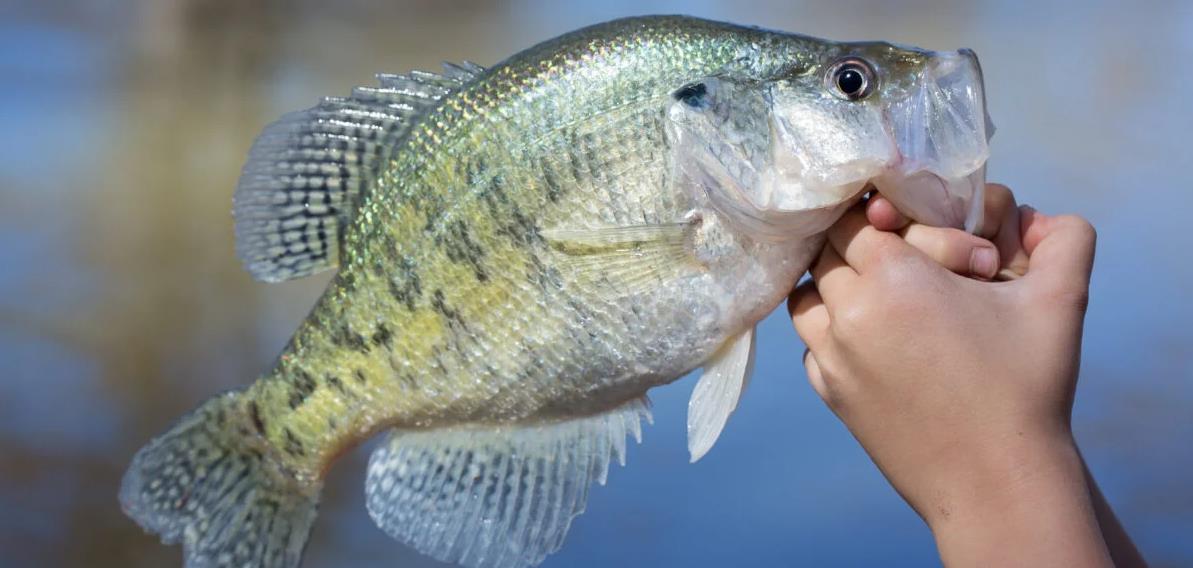
- Hooks: Size 4–6 for panfish (bluegill, crappie), size 2–1 for bass, size 8–10 for trout. Use circle hooks if you’re releasing fish—they’re easier on the fish and less likely to get swallowed (I switched to circle hooks 10 years ago, and I’ve released more fish alive than ever).
- Bait: Live bait is your best friend as a beginner. Worms (nightcrawlers are king), minnows, or crickets—fish can’t resist them. I still keep a can of nightcrawlers in my tackle box, even after all these years. If you don’t want to use live bait, go with soft plastic lures (like Senkos or curly tails)—they’re easy to use and work for almost every freshwater fish. Avoid hard lures (crankbaits, spinnerbaits) at first—they require more skill to use effectively.
- Extras: A bobber (to tell when a fish is biting—essential for beginners), a sinker (to keep your bait down in the water), and a pair of needle-nose pliers (to remove hooks—trust me, you’ll need these). I also keep a small first-aid kit in my tackle box—hooks hurt when they get stuck in your finger, and I’ve had to pull a few out of mine over the years.
2. The Most Important Skill: Reading the Water (Not Just Casting)
Here’s the secret most beginner guides skip: You can have the best gear in the world, but if you’re fishing in the wrong spot, you’ll catch nothing. I learned this the hard way—my first year fishing, I’d cast my line into the middle of a lake every time, and wonder why I wasn’t catching anything. Turns out, fish don’t just swim around randomly—they hang out in specific spots, looking for food, shelter, and comfort.
Here’s how to read the water like a pro (or at least like someone who’s been doing this for 30 years):
- Look for structure: Fish love structure—logs, rocks, weeds, docks, fallen trees, or even a drop-off (where the water gets deeper suddenly). These spots give fish shelter from predators and a place to ambush prey. I once caught 12 bass in an hour off a single fallen tree—structure is everything.
- Pay attention to water temperature: Fish are cold-blooded, so their activity depends on the water temp. In spring (50–65°F), they move to shallow water to spawn—focus on coves or shallow banks. In summer (80°F+), they move to deeper, cooler water—look for drop-offs or shaded areas. In fall (50–65°F), they move back to shallow water to feed before winter. In winter (below 50°F), they slow down and stay in deeper water—you’ll need to fish slower.
- Watch for signs of fish: Ripples, splashes, or birds diving (they’re chasing baitfish, which means bigger fish are nearby). I once saw a group of seagulls diving in a small cove, cast my line there, and pulled in a 4-pound redfish 5 minutes later. Always keep your eyes open—nature gives you clues.
Pro tip: When I’m scouting a new spot, I don’t cast right away. I sit for 5–10 minutes, watch the water, and look for signs of life. It’s boring at first, but it saves you time and frustration. Patience is key—fishing isn’t about casting as much as possible; it’s about casting in the right place.
3. Casting: The Right Way (No More Bird’s Nests)
Casting is the most basic skill, but it’s also the one beginners struggle with the most. I remember my first time casting—my line went straight up, got tangled in a tree, and I spent 20 minutes untangling it. Don’t worry, we’ve all been there. Here’s how to cast a spinning rod like a pro, step by step, with my personal tips:
- Hold the rod correctly: Grip the rod with your dominant hand (right hand if you’re right-handed) above the reel, and your other hand below the reel for support. Keep your wrist relaxed—tense wrists lead to bad casts.
- Open the bail: Flip the bail (the little metal arm on the reel) up to release the line. Hold the line with your index finger (on your dominant hand) to keep it from slipping.
- Load the rod: Bring the rod back behind you (not too far—shoulder height is perfect) and bend it slightly (this is called “loading” the rod—think of it like a bow and arrow). Don’t swing the rod too hard—you’ll lose control.
- Cast forward: Snap your wrist forward (not your arm) and release your index finger when the rod is pointing toward your target. The rod’s bend will propel the line forward—let it fly, but keep your eye on the bait/lure.
- Close the bail: Once the bait hits the water, flip the bail back down to lock the line. Reel in any slack line so you can feel when a fish bites.
My personal tip: Practice in an open area (no trees!) before you go fishing. I used to practice in my backyard, casting to a bucket. After a few days, you’ll get the hang of it. And if you do get a bird’s nest? Don’t get frustrated—take your time untangling it. I still get them sometimes, and I’ve been fishing for 30 years. It’s part of the process.
4. Biting & Setting the Hook: Don’t Blow It
You’ve cast your line, the bobber goes down, and you get excited—don’t yank the rod immediately! That’s the biggest mistake beginners make. I’ve seen so many new anglers pull the hook right out of a fish’s mouth because they set the hook too hard or too soon.
Here’s how to do it right, based on what I’ve learned over the years:
- Wait for the bite: If you’re using a bobber, wait until the bobber is fully submerged (not just twitching) before setting the hook. If you’re not using a bobber (bottom fishing), you’ll feel a tug or a weight on the line—wait a second, let the fish take the bait, then set the hook.
- Set the hook correctly: Snap your wrist upward firmly (not violently) to drive the hook into the fish’s mouth. Then, reel in the slack line and keep the rod bent—this keeps the hook in place. Don’t reel too fast—let the fish fight a little, but don’t give it too much slack (it’ll shake the hook loose).
Story time: My first big bass—5 pounds, fat and feisty. The bobber went down, I waited 2 seconds, set the hook, and the fish took off. I reeled too fast, the line went slack, and the fish got away. I was crushed. My old man told me, “Let the fish work for it—don’t rush.” Now, I let the fish fight a little, keep the rod bent, and reel slowly. I haven’t lost a big fish that way in years.
5. Catch & Release: Do It Right (For the Next Generation)
I’ve caught thousands of fish over the years, and I’ve released 90% of them. Fishing is about respect—for the fish, for the water, and for the people who will fish after us. If you’re gonna release a fish, do it properly so it survives:
- Keep the fish in the water as much as possible: Don’t take it out of the water unless you have to. If you do take it out, wet your hands first (dry hands damage the fish’s slime coat, which protects it from disease).
- Remove the hook quickly: Use needle-nose pliers to remove the hook gently. If the hook is swallowed, cut the line as close to the hook as possible—don’t try to pull it out (you’ll damage the fish’s throat).
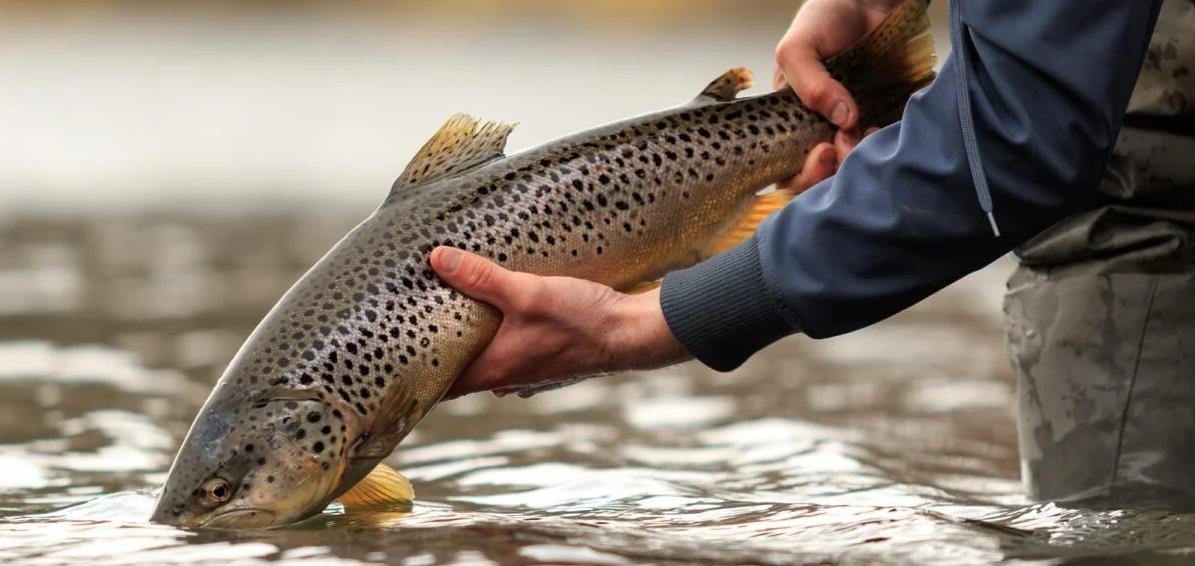
- Revive the fish: Hold the fish by the tail (or under the belly for bigger fish) and move it back and forth in the water—this gets oxygen into its gills. Let it go when it starts to struggle (that means it’s ready).
I once released a 7-pound bass that I caught in a small lake. A year later, I caught the same fish—you could see the scar from the hook. It was bigger, healthier, and fought even harder. That’s the magic of catch and release—you get to enjoy the fight, and the fish gets to live another day.
6. My Biggest Mistakes (So You Don’t Make Them)
No one’s perfect, and I’ve made my share of mistakes. Here are the ones I wish I could go back and fix—learn from them, and you’ll be ahead of the game:
- I used to buy the fanciest gear: I thought expensive rods and lures would make me a better angler. They didn’t. It’s not the gear—it’s the skill. Save your money, master the basics, then upgrade if you want.
- I fished at the wrong time: I used to go fishing at noon, when the sun is high and the fish are inactive. Now, I fish early morning (sunrise to 9 AM) or late afternoon (4 PM to sunset)—that’s when fish are most active. I’ve caught more fish in those hours than any other time of day.
- I didn’t pay attention to the weather: Wind, rain, and temperature all affect fish activity. A light breeze is good (it stirs up bait), but heavy wind makes casting hard. Rain can make fish more active (they’re looking for food washed into the water). I once fished in a light rain and caught 15 bass—best day of the season.
- I got frustrated too easily: There will be days when you catch nothing. That’s part of fishing. I used to get mad and leave early, but now I embrace it—sit back, enjoy the water, and remember that even a skunked day is better than a day at work. Some of my best fishing stories are from days I caught nothing… but had a great time with friends.
Final Thoughts: Fishing Is About More Than Catching Fish
After 30+ years of fishing, I’ve learned that it’s not about how many fish you catch—it’s about the moments. The sunrise over the lake, the sound of a fish splashing, the camaraderie with friends, and the feeling of accomplishment when you reel in your first big one. I still get excited every time I cast my line—like I’m that 12-year-old kid with a beat-up rod, hoping to catch something.
To all my friends who’ve been asking for this guide: Don’t overcomplicate it. Start simple, be patient, and learn from your mistakes. And if you ever get stuck, give me a call—I’ll meet you at the lake, bring a beer, and show you the ropes. Trust me, you’ll be hooked (pun intended) before you know it.
Now go grab your rod, hit the water, and make some memories. And if you catch a big one? Send me a picture—I’ll be proud of you.
Tight lines, guys,
Tom (Your Go-To Fishing Guy)