Hey guys, Tom here. Let’s cut to the chase—if you’ve been hounding me about catching pike and musky lately, you know these aren’t your average panfish. These are the “water wolves” of freshwater—aggressive, relentless, and built to hunt. I’ve spent 35 years chasing these toothy giants across the northern U.S. and parts of Canada—from the weedy bays of Lake of the Woods to the deep structure of Mille Lacs Lake—and I’ve learned one thing: you don’t outsmart pike and musky—you adapt to them. I’ve lost more lures than I can count (we’re talking hundreds), broken rods, and even had a 40-inch musky snap my line and take my favorite topwater bait straight to the depths. But those failures? They’re how I learned what works. This guide isn’t just a list of tips from some textbook—it’s the hard-earned wisdom of a guy who’s been there, felt the jolt of a pike slamming a lure, and fought a musky until his arms burned. No fancy jargon, no overcomplicated tactics—just straight talk to help you hook these aggressive predators, land them, and walk away with a story. Let’s break down everything you need to know, from telling these two beasts apart to the gear, lures, and tactics that actually work.
First: Pike vs. Musky – Know Your Predator (Don’t Embarrass Yourself)
I see it all the time—guys hook a 30-inch pike and yell, “I got a musky!” Trust me, there’s a big difference, and knowing which one you’re targeting will make or break your trip. Both are part of the Esox genus, but they’re two distinct fish with different habits, habitats, and personalities. Let me break it down like I do for my buddies who are just starting out:
Northern Pike: The Rowdy Cousin Who Crashes Every Party
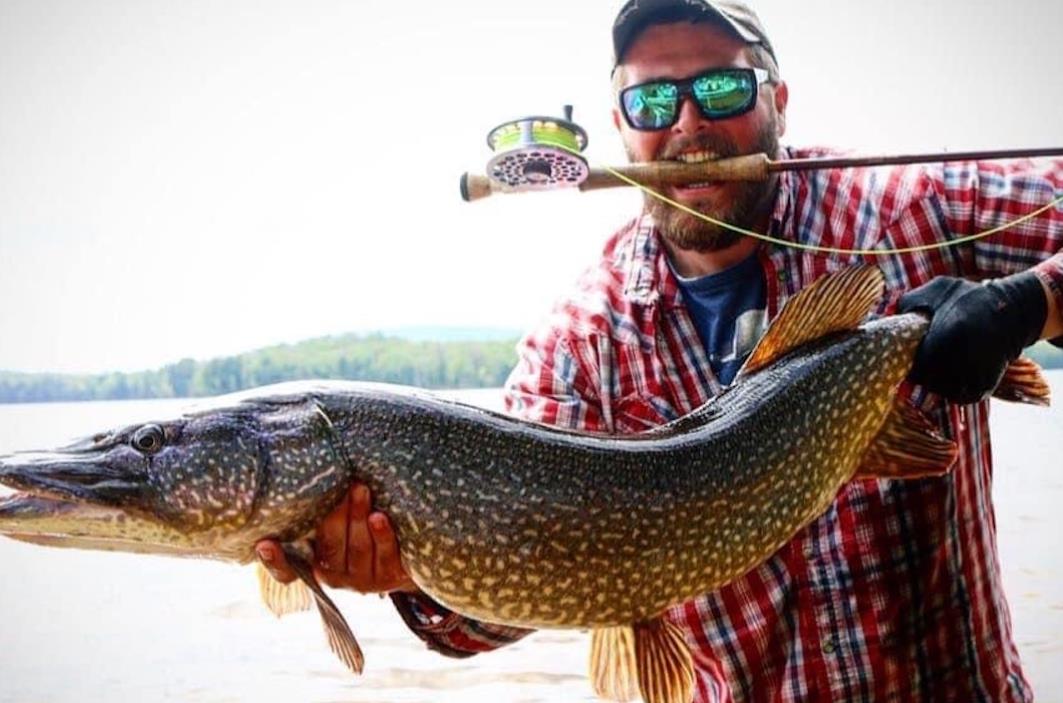
Pike are the more common, more aggressive, and easier-to-catch of the two. Think of them as the “everyman’s predator”—they’re widespread across the northern U.S. (Minnesota, Michigan, Wisconsin, the Dakotas) and all of Canada, hanging out in weedy bays, shallow lakes, and slow-moving rivers. They’re ambush hunters—they’ll sit right in the thick “salad” of weeds, waiting for a minnow, frog, or even a small duck to swim by, then explode out of the cover to attack. I’ve caught pike in 2 feet of water, 20 feet of water, and even in the middle of a rainstorm—they don’t care, as long as there’s prey.
Physical telltale signs: Pike have light, olive-green bodies with yellowish spots that run vertically down their sides. Their tails are forked, and their snouts are long and narrow (like a snake). They max out around 40–45 inches (though I’ve caught a 48-incher in Crane Lake, Minnesota—still my personal best) and weigh 15–20 pounds on average. Here’s a pro tip I learned early: if you’re flipping a spinnerbait in shallow weedy water and hook a spotty 30-incher, it’s almost definitely a pike.
Musky (Muskellunge): The Elusive Giant Who Makes a Scene
Musky are the trophy fish—less abundant, more finicky, and way harder to catch. They’re the “ghosts of the lake”—you might fish all day and only get one follow, let alone a bite. They share some range with pike (Wisconsin, Minnesota, New York, Pennsylvania, and parts of Canada), but they prefer deeper water, edge of drop-offs, deep weed edges, and open points—they like room to roam and structure to stage. Musky are more methodical than pike; they’ll follow your lure for 20 feet, sizing it up, before deciding to strike (or not). I’ve had musky follow my lure all the way to the boat, then turn away at the last second—frustrating, but that’s part of the chase.
Physical telltale signs: Musky are bigger, darker, and have a more “torpedo-like” body. Their coloration is darker olive or brown with faint vertical bars (not spots), and their tails are rounded (not forked). They can grow to 50+ inches (I’ve seen a 56-incher caught on Eagle Lake, Ontario) and weigh 30–40 pounds—true monsters. And don’t get confused with tiger muskie—those are hybrids between pike and musky, with tiger-like vertical stripes, faster growth, and a mix of both parents’ aggression and elusiveness.
My personal rule: If you’re trolling a deep crankbait along a mid-lake hump and get slammed? It’s probably a musky. If you’re casting in shallow weeds and get a quick, violent strike? That’s a pike. Knowing the difference will help you adjust your tactics—and avoid bragging about a “muskie” that’s actually a pike (we’ve all been there, don’t worry).
Tom’s Pro Gear Setup (No Cheap Stuff—These Fish Will Break It)
Here’s the hard truth: Pike and musky have teeth like needles—sharp, numerous, and built to tear through line. They’re also strong—they’ll pull your rod down to the water, jump, and thrash, trying to break free. I made the mistake of using bass gear my first time chasing pike—I lost a 35-incher because my line snapped, and my rod got bent like a noodle. Don’t skimp on gear—this is one time where quality matters. Here’s my go-to setup, refined over 20 years of chasing these predators:
Rods & Reels: Heavy-Duty, No Exceptions
- Rod: Medium-Heavy to Heavy Power, 7–8 Feet – You need a rod with backbone to handle the fight and pull these fish out of thick weeds. I use a 7.5-foot St. Croix Mojo Musky rod—it’s stiff enough to set the hook hard (critical for piercing their tough mouths) but has enough flex to absorb their jumps. Avoid light or medium rods—they’ll bend too much, and you’ll lose fish. I once used a 6-foot bass rod for pike and had it snap in half when a 30-incher took off—never again.
- Reel: Baitcasting Reel (Size 300–400) or Heavy Spinning Reel – Baitcasters are better for accuracy and control, especially when casting large lures. I use a Shimano Curado 300 baitcaster—it’s smooth, durable, and can handle heavy line. If you’re more comfortable with spinning reels, go with a heavy-duty model (size 4000–5000) with a strong drag system. Avoid cheap reels—their drags will fail mid-fight, and you’ll watch your trophy swim away.
- Line: Braided Line (50–80 lb Test) + Steel Leader – Braided line is a must—it’s strong, has no stretch (so you can set the hook hard), and cuts through weeds. I use 60 lb test PowerPro braid—it’s durable and doesn’t fray easily. But here’s the non-negotiable part: a steel leader. Pike and musky teeth will cut through monofilament or fluorocarbon like butter. I use 12–18 inch steel leaders (20–30 lb test)—they’re flexible enough to let your lure move naturally but strong enough to withstand those sharp teeth. I once forgot a steel leader and lost a 40-inch musky in 10 seconds—its teeth sliced through my braid like it was thread.
Lures: Big, Loud, and Aggressive (Match the Prey)
Pike and musky are apex predators—they eat big prey, so your lures need to be big too. Forget small spinners or tiny crankbaits—these fish won’t waste their time. I’ve tested hundreds of lures over the years, and these are the ones that consistently work, broken down by type:
- Topwater Lures: For Heart-Stopping Strikes – There’s nothing like watching a pike or musky explode on a topwater lure—it’s pure adrenaline. I use 5–12 inch ploppers, prop baits, and walk-the-dog spooks—they make noise and disturbance on the surface, which draws these predators from deep weeds. My go-to is a 7-inch Rapala Top Raider—it’s loud, has a realistic wobble, and has caught me more pike than any other lure. I once caught a 38-inch pike at dawn on a black Top Raider—It slammed the lure so hard, it sprayed water 3 feet in the air. Pro tip: Use topwater lures in low-light (dawn, dusk) or over lily pads/weeds—they work best when the fish are actively hunting near the surface.
- Crankbaits: For Covering Water – When you’re trying to find fish, crankbaits are your best friend. I use deep-diving crankbaits (6–12 feet) for musky (targeting deep structure) and shallow-diving crankbaits (2–6 feet) for pike (weedy bays). Look for crankbaits with thick, durable bodies—they’ll stand up to teeth. My favorite is a 6-inch Storm Deep Thunder—It dives deep, has a tight wobble, and comes in perch or fire tiger colors (two of the most effective colors for pike and musky). I once trolled a deep crankbait along a mid-lake hump on Mille Lacs Lake and hooked a 45-inch musky—It took me 15 minutes to land it, but that crankbait held on tight.
- Soft Plastics: For Slow, Methodical Presentations – Soft plastics (like 8–10 inch swimbaits or tube baits) work great for musky, especially when they’re being finicky. I rig them on a 1/2–1 oz jig head with a steel leader—slow retrieve, with occasional pauses. The key is to make the bait look like a wounded minnow—pike and musky can’t resist that. I use a 9-inch Zoom Swimbait in white or silver—it’s flexible, realistic, and holds up to teeth. I once caught a 36-inch pike on a soft plastic after 2 hours of no bites—sometimes slow and steady wins the race.
- Spinnerbaits: For Weedy Areas – Spinnerbaits are perfect for pike in thick weeds—they cut through the vegetation without getting tangled. I use a 1/2–3/4 oz spinnerbait with a large blade (willow or Colorado) and a skirt in chartreuse or white. The blade creates flash and vibration, which attracts pike from far away. I once fished a spinnerbait in a weedy bay on Crane Lake and caught 5 pike in 30 minutes—they couldn’t resist the flash.
Pro tip: Upgrade your hooks. Most lures come with cheap, dull hooks—replace them with sharp, heavy-duty treble hooks (3/0 to 5/0 +) that can withstand the pressure of a pike or musky strike. I use VMC treble hooks—they’re sharp, strong, and don’t bend easily. Dull hooks are the #1 reason guys lose fish—trust me, I’ve been there.
Tactics: How to Find and Hook Pike & Musky (My Secret Spots & Moves)
Gear and lures are important, but knowing where to find these fish and how to present your lure is what will make you successful. I’ve spent years mapping out the best spots and refining my tactics—here’s what works, based on my personal experience:
1. Find the Right Habitat (They’re Not Everywhere)
- Pike Habitat – Look for shallow, weedy bays, backwater sloughs, shallow river arms, and the edges of lily pads. Pike love cover—they’ll hide in weeds, fallen trees, or rock piles, waiting to ambush prey. I’ve had the best luck in 2–6 feet of water with thick vegetation—cast along the edges of the weeds (not into the middle, or you’ll get tangled) and retrieve slowly. Lake of the Woods is my go-to for pike—its weedy bays are packed with them, especially in spring and fall.
- Musky Habitat – Musky prefer deeper water with structure: edge of drop-offs, deep weed edges, mid-lake humps, and rocky points. They like room to roam, so look for areas where shallow water meets deep water—they’ll hang out there, waiting for prey to move between depths. St. Lawrence River and Eagle Lake are classic musky territory—deep, structured, and full of these giants. I’ve caught most of my musky in 10–20 feet of water, near rock piles or deep weed edges.
2. Timing Is Everything (Fish When They’re Active)
Pike and musky are most active during low-light periods: dawn, dusk, and overcast days. I’ve had my best days fishing for pike at dawn—they’re hungry after a night of resting, and they’ll strike aggressively. Musky are a bit more unpredictable, but they’re most active in early morning and late evening, especially in summer (when the water is warm). In spring, pike move to shallow weedy areas to spawn—this is the best time to catch big ones (they’re aggressive and easy to find). In fall, both pike and musky feed heavily to prepare for winter—they’ll eat almost anything, making it a great time for beginners. I once caught 8 pike in 2 hours on a cloudy fall afternoon—they were feeding like crazy before the first frost.
3. Retrieve Techniques (Slow Down—These Fish Aren’t in a Hurry)
One of the biggest mistakes beginners make is retrieving their lures too fast. Pike and musky are ambush predators—they like to stalk their prey, so a slow, steady retrieve is key. Here’s my go-to retrieve for each fish:
- Pike – Cast along the edge of weeds, let the lure sink for 2–3 seconds, then retrieve slowly with occasional pauses. The pause is critical—it makes the lure look like a wounded minnow, which pike can’t resist. I once retrieved a spinnerbait too fast and got no bites; slowed it down, and caught a 32-inch pike on the next cast. Don’t rush—pike will follow your lure and strike when it pauses.
- Musky – Musky are more methodical, so a slow, steady retrieve with occasional twitches works best. For crankbaits, troll slowly (2–3 mph) along deep structure. For soft plastics, retrieve slowly, then pause for 3–5 seconds—this gives the musky time to size up the lure and strike. I once had a musky follow my soft plastic for 20 feet, then strike when I paused it—It was one of the most intense moments of my fishing career. Be patient—musky don’t strike often, but when they do, it’s worth the wait.
4. Hook Set: Hard and Fast (Don’t Be Gentle)
Pike and musky have tough mouths—you need to set the hook hard to pierce their jaws. When you feel a strike, don’t hesitate—yank the rod up hard, then reel in fast to keep the line tight. I made the mistake of setting the hook gently once—my lure bounced off a pike’s mouth, and it swam away. Now, I set the hook like I’m trying to pull the rod out of the water—hard, fast, and decisive. Once the hook is set, keep the line tight—these fish will jump, thrash, and try to wrap the line around weeds or rocks. I once had a 40-inch musky jump out of the water and shake the hook—If I had kept the line tighter, I would’ve landed it. Lesson learned.
Tom’s Biggest Mistakes (So You Don’t Repeat Them)
I’ve messed up more times than I can count chasing pike and musky—these are the mistakes that still haunt me, and the ones that taught me the most. Learn from my errors, and you’ll save yourself frustration (and lost fish):
- Mistake #1: Using Cheap Line and No Steel Leader – As I mentioned earlier, I forgot a steel leader once and lost a 40-inch musky—its teeth sliced through my braid like it was nothing. Now, I never leave home without steel leaders, and I only use high-quality braided line. Cheap line will snap, and no leader means lost fish and lost lures.
- Mistake #2: Retrieving Too Fast – I used to retrieve my lures as fast as I could, thinking pike and musky would chase them. Wrong—they’re ambush predators, not sprinters. I slowed down my retrieve, and my catch rate doubled. Remember: slow and steady wins the race.
- Mistake #3: Fishing the Wrong Habitat – Early in my career, I fished deep water for pike and shallow water for musky—total mistake. Pike love shallow, weedy areas; musky love deep structure. Once I figured out their habitat preferences, I started catching more fish. Don’t waste time fishing areas where these fish don’t live.
- Mistake #4: Giving Up Too Soon – Musky are elusive—you might fish all day and only get one bite. I once gave up after 3 hours of no bites, only to hear my buddy catch a 45-inch musky 10 minutes later. Be patient—these fish are worth the wait. I’ve had my best musky catches after 6+ hours of fishing—don’t quit.
- Mistake #5: Ignoring Weather and Water Temperature – Pike and musky are sensitive to water temperature. In summer, when the water is above 75°F, they move to deeper, cooler water. In winter, they slow down and move to shallow water (but still bite). I once fished for pike in 80°F water in the middle of the day—no bites. Came back at dawn, when the water was cooler, and caught 3 pike. Pay attention to the weather and water temp—it makes a huge difference.
Handling and Release (These Fish Deserve Respect)
Pike and musky are important to the ecosystem—they keep other fish populations in check, and they’re a prized game fish for future anglers. I practice catch and release for most of the pike and musky I catch (except for small ones I’ll eat), and it’s critical to handle them properly to ensure they survive. Here’s what I do, based on my catch and release experience:
- Use a Rubberized Landing Net – A soft, rubberized net (not mesh) is a must—It won’t damage their slime coat or fins. I keep a large landing net in my boat—pike and musky are big, and you need to land them gently. Avoid mesh nets—they’ll tear their fins and remove their slime coat, making them vulnerable to disease.
- Wet Your Hands (Or Wear Gloves) – Their slime coat is their protection—don’t touch them with dry hands. Wet your hands first, or wear neoprene gloves, to preserve the slime coat. I once held a musky with dry hands, and it developed fungus a few days later (I saw it floating)—I’ll never make that mistake again.
- Remove the Hook Quickly (And Use Pliers) – Use needle-nose pliers to remove the hook—don’t use your fingers (their teeth are sharp!). If the hook is stuck deep, cut the line as close to the hook as possible—It will rust out, and the fish will be fine. I once spent 5 minutes trying to remove a hook from a musky’s throat—It stressed the fish out, and It died after release. Now, I cut the line if the hook is stuck deep.
- Revive the Fish Before Releasing – Hold the fish gently by the lower jaw, face it into the current (or move it back and forth in the water), and let it breathe. Do this for 30 seconds to a minute, until It starts to struggle and swim away on its own. I once released a pike without reviving it—It floated to the surface 10 minutes later. Reviving is critical, especially after a long fight.
Final Thoughts – Chasing These Predators Is a Labor of Love
Guys, catching pike and musky isn’t easy. It takes patience, practice, and a willingness to learn from your mistakes. I’ve spent 35 years chasing these fish, and I still learn something new every trip. But there’s nothing like the feeling of hooking a 40-inch pike or a 50-inch musky—the jolt of the strike, the fight, the thrill of landing it. These are the fish that make fishing worth it.
Remember: You don’t need the most expensive gear, but you need quality gear. You don’t need to be a pro, but you need to understand these fish—their habits, their habitat, their behavior. And most importantly, you need to respect them—handle them gently, release them properly, and leave the water better than you found it.
If you have any questions—about gear, lures, spots, or how to handle a big musky—just ask. I’ve been there, and I’m happy to share what I’ve learned. Now go grab your rod, hit the water, and chase these aggressive predators. Tight lines, guys—and remember, the next big one is just a cast away.
– Tom, Your Go-To Angler for Pike & Musky