Hey guys, Tom here. Let’s cut to the chase—you’ve all hounded me with this question more times than I can count: “Tom, what fish are actually biting right now?” I get it. There’s nothing more frustrating than hauling your tackle box to the water, spending 3 hours casting, and heading home empty-handed because you picked the wrong fish for the season. After 32 years of fishing every corner of this country—from the icy streams of Colorado to the saltwater bays of Florida, the murky rivers of the Midwest to the coastal inlets of the Northeast—I’ve learned one hard truth: fish behavior is 100% tied to the seasons. Temperature, water clarity, food availability, and spawning cycles dictate everything. This isn’t some generic guide you’ll find on a random fishing blog; these are the lessons I’ve learned the hard way—missed trips, wasted bait, and enough “almost catches” to fill a cooler. I’m breaking down exactly what fish bite each season, when to target them, how to catch them, and throwing in my personal war stories so you know this isn’t just theory. No fluff, no guesswork—just proven, seasonal wisdom that’ll have you hauling in fish when your buddies are still scratching their heads.
First, a quick reality check: This guide is tailored to U.S. waters, but the core logic applies anywhere. Fish are creatures of habit—they eat when food is easy to find, spawn when conditions are perfect, and hide when the water is too hot or too cold. I’ll break it down by season, focus on the most common (and most fun) fish to target, and throw in the lures, baits, and tactics that have worked for me time and time again. And yes, I’ll reference those lures I told you about before—because knowing what fish bite means nothing if you’re using the wrong gear. Let’s dive in.
Spring (March–May): The “Wake-Up” Season – Fish Are Hungry and Active
Spring is my favorite season to fish—hands down. After a long, cold winter, water temperatures start climbing (from 45°F to 65°F), ice melts, and fish come out of their deep-water slumber ready to feed like crazy. They’re gearing up for spawning, so they need to bulk up—and that means they’ll bite almost anything that looks like food. This is the season where even beginners can catch big fish, as long as they know what to target.
What Fish Bite in Spring:
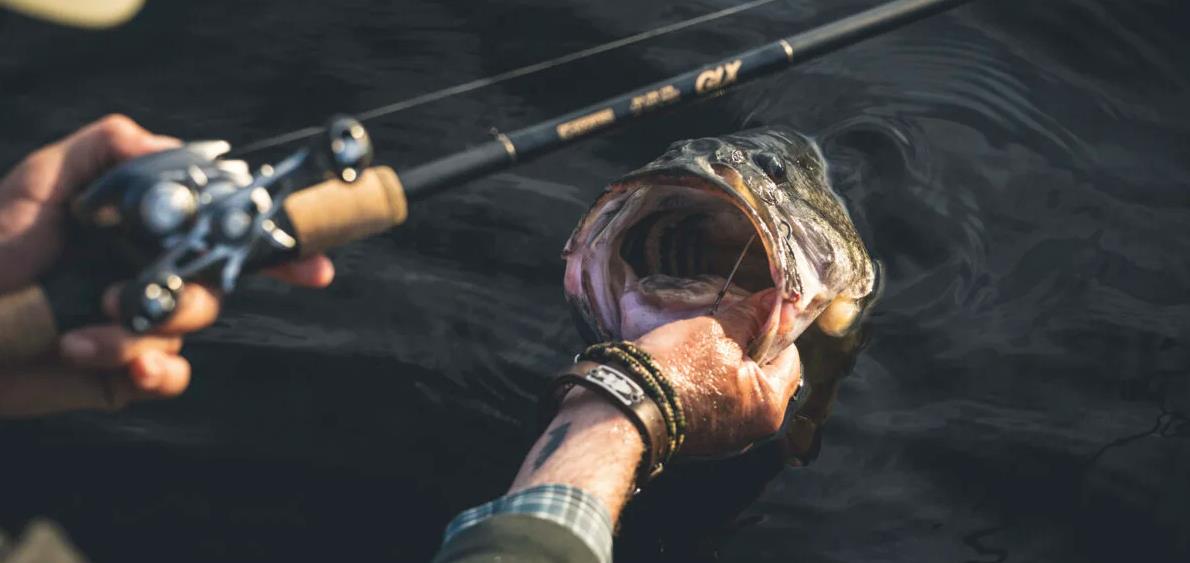
- Largemouth & Smallmouth Bass: The kings of freshwater spring fishing. As water hits 50°F, bass move from deep winter holes to shallow flats, coves, and weed beds to spawn. They’re aggressive, territorial, and will strike at almost any lure that invades their spawning grounds.
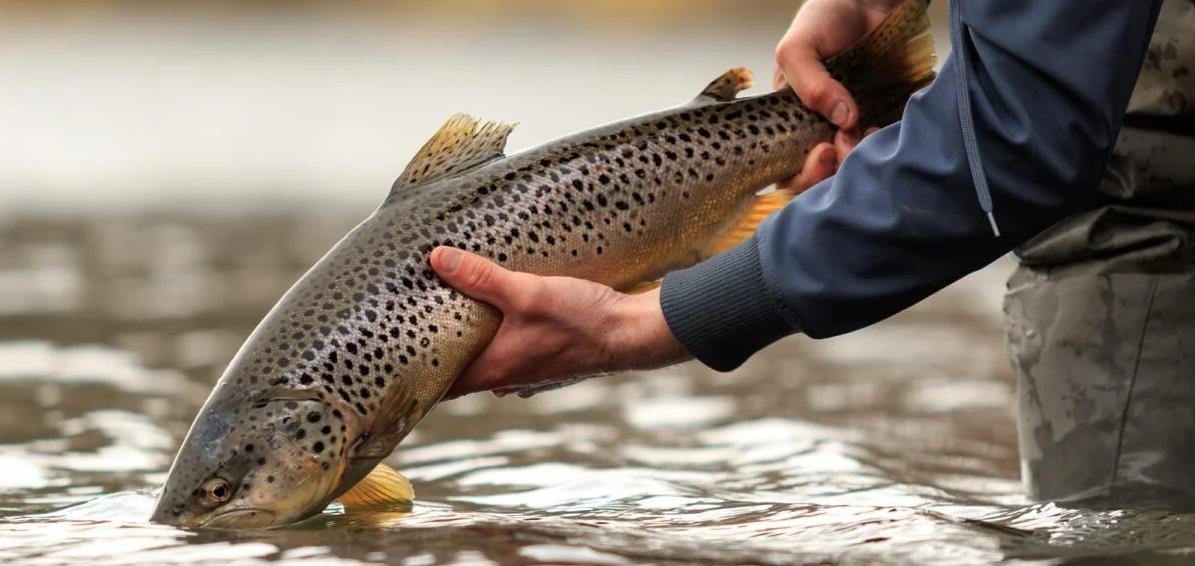
- Trout (Rainbow, Brown, Brook): Spring is prime trout season, especially in mountain streams and rivers. Melting snow raises water levels and brings in fresh insects—trout’s favorite food. They’re active in shallow, moving water and will hit both live bait and lures consistently.
- Walleye: Walleye spawn in early spring (when water is 45–55°F), so they’re feeding heavily before and after spawning. They hang out near rocky shorelines and drop-offs in lakes and rivers, looking for minnows and small baitfish.
- Redfish (Saltwater): In coastal areas (especially the Gulf Coast and Southeast), redfish start moving into shallow estuaries as water warms. They’re feeding on shrimp, crabs, and small fish, making them easy to target from shore or a small boat.
My Spring War Story: Last April, I took my buddy Jake fishing on a small lake in northern Michigan. He was convinced we should target pike (his favorite), but I told him the bass were waking up—and I was right. We set up near a shallow cove with submerged weeds (perfect spawning ground), and I tied on a 5-inch Keitech Easy Shiner (my go-to soft plastic) rigged on a 1/8-ounce jig head. On my second cast, I felt a hard tug—turns out, it was a 5.3-pound largemouth that had nested in the weeds. Jake laughed and switched to bass lures, and by the end of the day, we had 12 bass between us, plus a few small rainbow trout we caught on a side stream. The key? We fished shallow (2–4 feet deep) in the late morning, when the sun had warmed the water a few degrees. Jake still owes me a beer for proving him wrong.
Spring Pro Tips: Use slow-moving lures (soft plastics, jerkbaits) for bass and walleye—they’re still a bit sluggish from winter. For trout, use small spinners or live bait (worms, minnows) in moving water, focusing on slower currents where trout can hold and wait for prey. In saltwater, target redfish with shrimp or small crabs (live or artificial) in shallow estuaries. And don’t sleep on early mornings—fish are most active when the water is cool but the sun is starting to warm it up.
Summer (June–August): The “Deep Water” Season – Fish Hide From the Heat
Summer is tricky. Water temperatures climb above 70°F (sometimes 80°F+ in the South), and most fish can’t handle the heat—they move to deeper, cooler water or seek shade in cover (weeds, logs, docks). That doesn’t mean you can’t catch fish—it just means you have to adjust your tactics. The key here is to fish early or late, avoid the midday heat, and target deeper waters or shaded areas.
What Fish Bite in Summer:
- Largemouth Bass: They’ll hide in thick weeds, under docks, or in deep drop-offs (10–15 feet deep) during the day. They come out to feed at dawn and dusk, so that’s your window.
- Catfish (Channel, Blue, Flathead): Summer is catfish season—they love warm water (75–85°F) and are active day and night. They hang out in deep holes, near river bends, and around submerged structure, feeding on dead bait (chicken liver, shad) and live bait.
- Trout: Trout hate warm water—they’ll move to deep pools in rivers or cold-water streams (fed by springs) where temperatures stay below 65°F. Summer trout fishing is tough, but doable if you find the right spot.
- Tarpon & Snook (Saltwater): In coastal Florida and the Gulf, tarpon and snook are active in summer. They hang out near inlets, bridges, and mangroves, feeding on small fish and shrimp. Tarpon are a bucket-list fish—strong, fast, and a thrill to catch.
My Summer War Story: Two years ago, I spent a week fishing in Louisiana bayous in July—heat so thick you could cut it with a knife. My buddy Mark insisted we fish midday, and we got skunked for 3 days straight. On day 4, I told him we’d fish at dawn (4:30 a.m.) and target catfish in a deep hole near a river bend. We used chicken liver (so stinky, but catfish love it) on circle hooks, and within 20 minutes, I hooked a 30-pound blue catfish. Mark was shocked—he’d never caught a catfish that big. We fished until 8 a.m., caught 7 more catfish, and headed in before the heat hit. The lesson? Summer fishing is all about timing. Midday is for napping, not fishing.
Summer Pro Tips: For bass, use topwater lures (like the Megabass Pop X) at dawn/dusk—they’ll strike at the surface when it’s cool. For catfish, use smelly bait (chicken liver, cut shad) and fish deep. For trout, stick to cold-water streams or deep pools, and use small, slow-moving lures (like a 3-inch Keitech Easy Shiner). In saltwater, fish tarpon and snook at dawn/dusk near structure, using live shrimp or small mullet. And always bring water—dehydration is no joke in summer.
Fall (September–November): The “Feeding Frenzy” Season – Fish Stock Up for Winter
Fall is the unsung hero of fishing. Water temperatures cool down (60–45°F), leaves fall, and insects and baitfish become abundant—fish go into a feeding frenzy to fatten up for winter. This is when you can catch some of the biggest fish of the year, because they’re eating everything in sight. The air is crisp, the crowds are gone, and the fishing is consistent—what more could you ask for?
What Fish Bite in Fall:
- Largemouth & Smallmouth Bass: Bass move back to shallow water (5–10 feet deep) as the water cools, feeding on shad and crawfish. They’re aggressive and will strike almost any lure—this is the best time to use spinnerbaits (like the Sakura Cajun) and crankbaits.
- Trout: Fall trout fishing is legendary. As water cools, trout become more active, feeding on insects (mayflies, caddisflies) and small baitfish. They move to shallow runs and riffles in rivers, making them easy to target with flies or spinners.
- Pike & Muskie: These apex predators are active in fall, feeding heavily on small fish before winter. They hang out near weed beds and drop-offs in lakes and rivers, and will strike large lures (like big soft plastics or crankbaits).
- Redfish & Speckled Trout (Saltwater): In coastal areas, redfish and speckled trout are feeding heavily before winter. They hang out in shallow bays and inlets, feeding on shrimp and small fish. Fall is the best time to catch trophy redfish—they’re fat and aggressive.
My Fall War Story: Last October, I went fishing in Ohio with my son, Tyler. We targeted bass on a lake near his college, and I told him to use the Sakura Cajun spinnerbait (gold blades, since the light was low). He was skeptical—he thought spinnerbaits were “beginner lures”—but within 10 minutes, he hooked a 4-pound smallmouth bass. We fished until sunset, and by the end of the day, we had 11 bass, including a 6-pound largemouth that I caught on a Megabass Vision jerkbait. Tyler now keeps that spinnerbait in his tackle box, and we still talk about that day. The key? We matched the bait to the prey—shad were abundant in the lake, and the spinnerbait mimicked their flash and movement perfectly.
Fall Pro Tips: Use lures that mimic baitfish (spinnerbaits, jerkbaits) for bass and pike. For trout, use flies that mimic fall insects or small spinners. In saltwater, target redfish and speckled trout with soft plastics (like the Keitech Easy Shiner) or live shrimp. Fish during the afternoon—water is warm enough for fish to be active, but not too hot. And don’t forget: fall water clarity is usually good, so use natural-colored lures.
Winter (December–February): The “Patience” Season – Fish Are Slow, But Catchable
Winter fishing isn’t for the faint of heart—but it’s worth it. Water temperatures drop below 45°F, fish metabolism slows down, and they move to deep, slow-moving water to conserve energy. They don’t eat as much, but they will bite if you use the right bait and tactics. This is the season where patience pays off—and where you can catch fish that most anglers ignore.
What Fish Bite in Winter:
- Walleye: Walleye are the stars of winter fishing. They hang out in deep holes (15–25 feet deep) in lakes and rivers, feeding on small minnows. They’re slow, but they’ll bite if you present the bait slowly and steadily.
- Trout (Rainbow, Brown): In cold-water streams (or lakes with winter stocking), trout are active year-round. They move to deep pools and slow-moving runs, feeding on small insects and minnows. Winter trout fishing is peaceful—no crowds, just you and the water.
- Catfish: Big catfish (blue and flathead) are active in winter—they move to deep holes and feed on dead bait. They don’t bite as often, but when they do, they’re big.
- Striped Bass (Saltwater): In coastal areas (like the Northeast), striped bass migrate to deeper waters in winter but will still bite if you fish deep with live bait (herring, mackerel).
My Winter War Story: Three years ago, I went ice fishing in Minnesota with my old man—we braved -10°F temperatures, but it was worth it. We set up over a deep hole (20 feet deep) in a lake, using small minnows on jig heads for walleye. We waited for an hour with nothing, and my dad was ready to leave—but I told him to be patient. Sure enough, 10 minutes later, my rod bent, and I pulled up a 3.5-pound walleye. We fished for another 2 hours, caught 5 more walleye, and headed home to cook them up. The lesson? Winter fishing is about slow, steady presentations—fish don’t have the energy to chase fast-moving lures, so you have to bring the bait to them.
Winter Pro Tips: Use small, slow-moving lures (like 3-inch soft plastics or small jig heads with minnows) for walleye and trout. Fish deep—look for holes or drop-offs where fish can hide. For catfish, use dead bait (cut shad, chicken liver) and let it sit on the bottom. In saltwater, fish striped bass deep with live bait. And dress warm—there’s nothing worse than freezing your hands off while waiting for a bite (trust me, I’ve been there).
Tom’s Golden Seasonal Rules (The Ones I Learned the Hard Way)
After 32 years, I’ve got a few rules that apply to every season—break these, and you’ll be going home empty-handed. These are the secrets most “experts” don’t tell you:
- Follow the water temperature: This is the single most important factor. Fish have a comfort zone—bass like 50–75°F, trout like 40–65°F, catfish like 70–85°F. Use a thermometer (I keep one in my tackle box) to check water temp—if it’s outside their comfort zone, they won’t bite. For example, walleye thrive in 38–60°F water, so target them when temps are in that range.
- Match the hatch: No matter the season, fish eat what’s available. In spring, it’s small minnows and insects; in fall, it’s shad and crawfish. If you’re using a lure that doesn’t look like the local prey, you’re wasting your time. I once spent a day using a big swimbait in a lake where the only prey was tiny minnows—zero bites. As soon as I switched to a small spinnerbait, I started catching fish. For trout, match your flies or lures to the insects hatching that season—spring mayflies, fall caddisflies.
- Timing is everything: Spring = late morning (sun warms water), Summer = dawn/dusk (cooler temps), Fall = afternoon (perfect water temp), Winter = midday (warmest part of the day). Fish are most active when the water is at their ideal temperature—don’t waste time fishing during the wrong hours.
- Don’t overcomplicate it: I’ve seen guys with tackle boxes full of fancy lures, switching every 10 minutes. Stick to 2–3 lures per season that you know work. In spring, I use soft plastics and jerkbaits; in summer, topwater and catfish bait; in fall, spinnerbaits and crankbaits; in winter, small jigs and minnows. Master those, and you’ll catch fish year-round. And remember, even affordable lures like the Sakura Cajun spinnerbait work better than expensive duds if you use them right.
Final Thoughts – Fish Smarter, Not Harder
Guys, fishing isn’t about luck—it’s about understanding the seasons, reading the water, and using the right tactics. I’ve spent 32 years figuring this out, and I’m sharing it with you because I hate seeing my friends get frustrated on the water. The key takeaway? Fish behave differently every season, but once you learn their habits, you’ll be catching fish when everyone else is struggling. Whether it’s spring bass, summer catfish, fall trout, or winter walleye, there’s always a fish biting—you just need to know where to look and what to use.
Next time you’re planning a fishing trip, check the season, the water temperature, and match your bait to the prey. And if you’re ever unsure? Give me a call—I’ll point you in the right direction. And when you catch that big one? Send me a photo—I love hearing about your successes. Happy fishing, guys—tight lines, no skunks!
– Tom, Your Go-To Fishing Guy