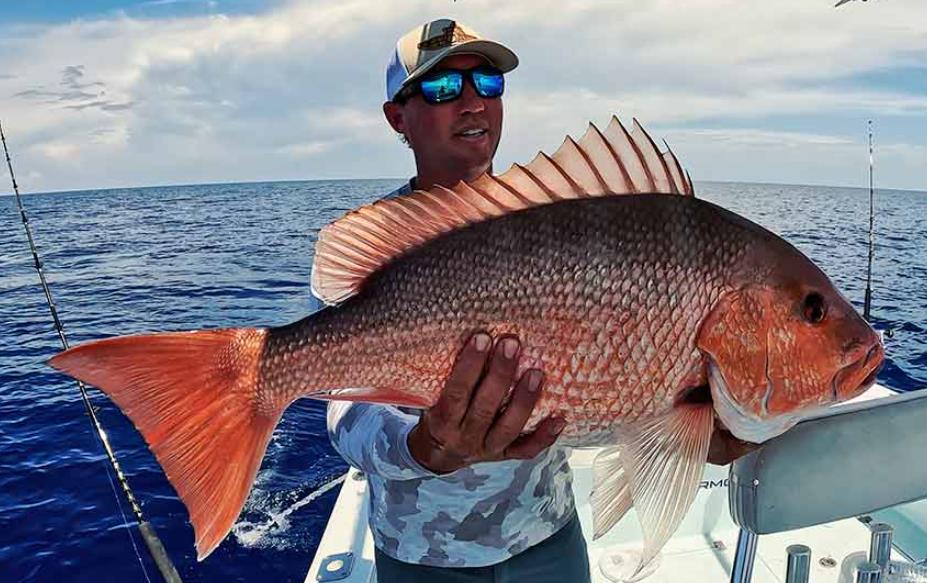
Hey guys, Tom here—and if I’ve heard this question once, I’ve heard it a hundred times: “Tom, where’s the best
First, Let’s Get One Thing Straight: It’s Not About “The Best” Spot—It’s About The Right Spot
I hear a lot of you asking for “the single best spot,” but that’s a mistake. Florida and the Gulf Coast have hundreds of incredible fishing spots, but the best one for you depends on what you’re chasing, when you’re going, and your skill level. Are you a beginner looking to catch your first redfish from the shore? Or an experienced angler wanting to hook a monster grouper offshore? Do you want to fish from a pier, a kayak, or a charter boat? I’ve fished every scenario, and I’m breaking down my top spots by region—each with its own vibe, target species, and my personal war stories to help you choose the right one for your trip. And remember: always check the latest regulations before you go—Florida Fish and Wildlife (FWC) updates rules regularly, especially for reef fish like snapper and grouper, and state waters extend 9 miles from shore on the Gulf (3 miles on the Atlantic), so that matters for what you can catch and keep.
Northwest Florida Gulf Coast: Pensacola to Destin – The Underrated Gem
Let’s start up north, where the Gulf water is cooler, the crowds are smaller, and the fishing is absolute fire. I’ve been fishing this stretch for over 20 years, and it’s where I caught my first trophy redfish—an 8-pounder that put up a fight I still talk about. This area is perfect for both beginners and seasoned anglers, with a mix of inshore, nearshore, and offshore spots that deliver year-round.
1. Pensacola Beach & Gulf Islands National Seashore – Shore Fishing Paradise
If you’re looking to fish from the shore (no boat needed), Pensacola Beach is your spot. I’ve spent countless mornings here, casting into the surf while sipping coffee, and walking away with coolers full of spanish mackerel, pompano, and even black drum. My go-to spot is Johnson’s Beach at Gulf Islands National Seashore—less crowded than the main Pensacola Beach, with calmer surf and plenty of structure (think oyster bars and sandbars) where fish hide. A few years back, I brought my buddy Mike here—he’d never fished saltwater before, and within 30 minutes, he hooked a 5-pound spanish mackerel on a live shrimp. He still texts me about it.
Pro Tip from Tom: Fish the incoming tide here—pompano and mackerel move in with the tide, feeding on sand fleas and small baitfish. Use a fish finder rig with a pyramid sinker (to hold against the current) and fresh sand fleas or live shrimp—they’re the local favorite. And don’t sleep on the Old 3 Mile Bridge fishing pier—at dawn, you can catch sheepshead and red snapper (just make sure you’re within size limits: Gulf red snapper have a 16-inch minimum, and a 2-fish daily bag limit for recreational anglers). Also, winter is prime time for black drum here—they move into the shallows to feed, and a chunk of cut mullet on a circle hook will have them biting in no time.
2. Destin – The “World’s Luckiest Fishing Village” (And It Lives Up to the Hype)
Destin gets a lot of hype, but it’s well-deserved—this is where I go when I want to catch big fish, fast. The Destin East and West Jetties are my go-to spots for inshore fishing—snook, redfish, and even tarpon (in summer) hang out here, hiding in the rocks and waiting for bait to drift by. I remember one summer trip: I was fishing the East Jetty at sunset, using a live mullet on a 30-pound test line, and hooked a 12-pound snook that took me 20 minutes to reel in. The fight was so intense, I almost fell off the jetty—worth every second.
For offshore fishing, Destin’s artificial reefs (like the Oriskany Artificial Reef, 22.5 nautical miles southeast of Pensacola Pass) are a goldmine for grouper and red snapper. I’ve chartered boats here dozens of times, and the best trips are in spring and fall—water temperatures are perfect (65-75 degrees), and the fish are active. One fall trip, we caught 15 red snapper in 2 hours—all within the 16-inch minimum size limit—and a 25-pound gag grouper that fed my family for a week. Pro Tip from Tom: If you’re chartering, ask for a captain who knows the artificial reefs—they’re not all created equal, and some hold way more fish than others. Also, for recreational anglers, remember the snapper aggregate bag limit: 10 fish per harvester per day, any combination of snapper species, unless stated otherwise. And don’t forget your reef fish angler designation if you’re fishing from a private vessel—FWC requires it for select reef species.
Central Gulf Coast: Tampa Bay to Sarasota – Inshore Fishing at Its Finest
The central Gulf Coast is where I do most of my inshore fishing—it’s calm, shallow, and loaded with redfish, snook, and spotted seatrout. Tampa Bay and Sarasota Bay are like giant fish nurseries, with grass flats, mangrove shorelines, and oyster bars that are perfect for wade fishing or kayaking. This area is great for beginners because the fish are abundant, and you don’t need fancy gear to catch them.
1. Tampa Bay – Redfish Capital of Florida (In My Opinion)
I’ve caught more redfish in Tampa Bay than anywhere else—this is my happy place. My favorite spot is the grass flats near Apollo Beach—shallow water (2-4 feet deep), plenty of seagrass, and redfish that cruise the edges looking for crabs and shrimp. I wade fish here with a lightweight spinning rod, using a gold spoon or a live shrimp, and I rarely come home empty-handed. One morning, I waded out at low tide, and within 10 minutes, I hooked a 7-pound redfish that dragged me through the grass—pure adrenaline. Another time, I brought my grandson Jake here—he was 8 years old, and he caught his first redfish on a plastic shrimp. He still has the picture on his bedroom wall.
Pro Tip from Tom: Fish the grass edges at low tide—redfish love to hide in the grass, waiting for the tide to come in so they can feed. Use a weedless hook to avoid getting tangled in the seagrass, and cast parallel to the shore (not straight out)—that’s where the redfish are cruising. Also, Tampa Bay has great sheepshead fishing in late winter and spring—they hang out near bridges and piers, and a small piece of fiddler crab on a small hook will have them biting. And don’t forget: black drum here have a 14-24 inch size limit, with a 5-fish daily bag limit, and you can keep one over 24 inches if you want.
2. Sarasota Bay – Snook & Seatrout Haven
Sarasota Bay is where I go when I want to mix it up—snook, spotted seatrout, and even tarpon (in summer) are abundant here. My go-to spot is the mangrove shorelines near Lido Key—snook love to hide under the mangrove roots, waiting to ambush baitfish. I use a live pilchard (caught with a cast net—learn how to throw one, it’s a game-changer) on a 20-pound test line, and I cast right up against the mangroves. One summer evening, I caught 3 snook in 45 minutes—all over 6 pounds—and a 4-pound spotted seatrout that was perfect for dinner.
Pro Tip from Tom: Snook are sensitive to water temperature—they’re most active when the water is 70-85 degrees (summer and fall). If the water is too cold (below 60 degrees), they slow down and won’t feed much. Also, use fluorocarbon leader when fishing for snook—they have sharp teeth and can cut through monofilament line. And remember, snook are regulated—check FWC’s latest rules for size limits and seasons, as they can change. For spotted seatrout, spring and early winter are prime times, and they love shrimp and small baitfish fished under a popping cork.
Southwest Florida Gulf Coast: Naples to Marco Island – Trophy Fish Territory
Southwest Florida is where the big fish live—grouper, tarpon, and even sailfish (in summer) are common here. The water is warmer, the structure is abundant (coral reefs, wrecks, and mangrove islands), and the fishing is more challenging—but the rewards are worth it. I’ve fished Naples and Marco Island for over 15 years, and it’s where I caught my personal best gag grouper—a 30-pounder that took 30 minutes to reel in and required a net to land.
1. Naples Pier – Casual Fishing with Big Rewards
If you’re looking for a casual spot where you can catch big fish without a boat, the Naples Pier is it. I’ve spent many afternoons here, casting into the Gulf, and caught everything from spanish mackerel to shark. My favorite catch here was a 15-pound blacktip shark—caught on a cut mullet, using a heavy-duty spinning reel and 50-pound test line. It took me 25 minutes to reel it in, and a crowd gathered to watch—definitely a “I told you so” moment with my friends.
Pro Tip from Tom: Fish the pier at dusk or dawn—those are the best times for big fish. Use cut bait (mullet or sardines) for shark and mackerel, and live shrimp for snapper. Also, bring a heavy-duty rod and reel—you never know what you’ll hook into. And don’t forget: unregulated species like gulf kingfish (whiting) and ladyfish have a default bag limit of 2 fish or 100 pounds per person per day, whichever is more—so you can keep plenty if you’re looking for a meal. Just be careful with sharks—handle them with respect, and release them if you don’t plan to eat them (most shark species are regulated, so check FWC rules first).
2. Marco Island – Offshore Wrecks & Reefs (Trophy Grouper Central)
Marco Island is my go-to for offshore fishing—there are dozens of wrecks and coral reefs within a 10-mile radius, and they’re loaded with grouper, snapper, and amberjack. I charter a boat here at least once a year, and my favorite spot is the “Marco Island Wreck” (a sunken cargo ship from the 1980s)—it’s covered in coral, and every cast brings a bite. One trip, I caught a 28-pound red grouper and a 22-pound gag grouper—both keepers, and both some of the best-tasting fish I’ve ever eaten.
Pro Tip from Tom: Grouper love structure—cast your bait right next to the wreck or reef, and let it sink to the bottom. Use a heavy sinker (4-6 ounces) to get through the current, and a circle hook (size 4/0 to 6/0) to hook the fish in the corner of the mouth (easier to release if you don’t want to keep it). Also, grouper are bottom feeders—use cut bait (sardines or squid) or live bait (pinfish or grunts) for the best results. And remember, grouper seasons vary—check FWC’s website for the latest updates, as some species are closed during certain months to protect their populations. Amberjack are year-round in the Gulf, so you can target them even when grouper are closed.
Florida Keys – The Ultimate Saltwater Fishing Mecca (Worth the Drive)
No list of Florida saltwater fishing spots is complete without the Florida Keys—this is where saltwater fishing dreams come true. I’ve fished the Keys from Key Largo to Key West, and it’s unlike anywhere else in the world. You can catch tarpon, bonefish, permit, snook, grouper, and even marlin—all in one trip. The Keys are more expensive and crowded, but if you’re serious about fishing, it’s worth every penny.
1. Key Largo – Bonefish & Tarpon Capital
Key Largo is where I go to chase bonefish and tarpon—two of the most challenging (and rewarding) saltwater fish. My favorite spot is the Florida Bay flats near Key Largo—shallow, clear water, and bonefish that cruise the flats looking for crabs. I fly fish here sometimes, but I prefer a lightweight spinning rod with a live shrimp or a crab imitation. One morning, I hooked a 10-pound bonefish that took me on a 15-minute run, and I almost lost my rod in the process—pure joy.
For tarpon, the Overseas Highway bridges (like the Jewfish Creek Bridge) are perfect—tarpon hang out here in summer, waiting for bait to drift by. I use a live mullet on a 40-pound test line, and I cast right under the bridge. I caught a 100-pound tarpon here a few years back—it took me 45 minutes to reel it in, and I was sore for days, but it’s the biggest fish I’ve ever caught. Pro Tip from Tom: Tarpon are strong—use a heavy-duty rod and reel, and don’t pull too hard—let the fish tire itself out. Also, bonefish are skittish—wear neutral-colored clothing, and don’t make too much noise (they can hear you walking in the water). Permit are another prized species here—they have a 22-inch fork length limit in special permit zones, and a 1-fish daily bag limit, so they’re a challenge to catch and keep.
2. Key West – Offshore Fishing for Big Game
Key West is where you go to catch big game fish—sailfish, marlin, dolphin (mahi-mahi), and wahoo. I’ve chartered a boat here a handful of times, and my most memorable trip was in summer: we caught 3 sailfish and a 40-pound dolphin in 6 hours. The sailfish put up a fight like no other—jumping out of the water, pulling the boat, and testing every inch of your line. It’s an experience I’ll never forget.
Pro Tip from Tom: Summer is the best time for big game fishing in Key West—water temperatures are warm (80-85 degrees), and the fish are migrating through the area. Use live bait (ballyhoo or pilchards) for sailfish and dolphin, and troll at 6-8 knots. Also, bring sunscreen and a hat—the sun is intense in the Keys, and you’ll be out on the water for hours. And don’t forget: dolphin (mahi-mahi) are unregulated, so you can keep up to 2 fish or 100 pounds per person per day, whichever is more. Wahoo are best caught in summer and fall, and they’re known for their speed and sharp teeth—use wire leaders to prevent them from cutting your line.
My Pro Tips for Florida & Gulf Coast Saltwater Fishing (The Stuff I Wish Someone Told Me)
After 35 years of fishing these waters, I’ve learned a few things that will save you time, money, and frustration. These are the tips I share with my friends, and they’re the reason they now call me “the saltwater guru” (humble, I know):
1. Always Check the Tides & Weather: Tides are everything in saltwater fishing—fish feed on incoming and outgoing tides, and different species prefer different tides. I use a tide app (my favorite is Tides Near Me) to check the tide times before I go. Also, weather matters—avoid fishing in strong winds (over 15 mph) or thunderstorms. I once fished in a thunderstorm in Destin, and my rod got struck by lightning (luckily, I was okay, but the rod was toast). Don’t be stupid—safety first. And remember, wind affects bait movement—on windy days, focus on areas with shelter (like mangroves or jetties) where fish can hide from the current.
2. Use Fresh Bait (Live Bait Is King): Saltwater fish have a strong sense of smell, and fresh bait will always outperform frozen bait. I buy live bait from local bait shops—they know what’s working that week. For inshore fishing, use shrimp, pilchards, or mullet. For offshore fishing, use sardines, squid, or ballyhoo. And learn how to throw a cast net—being able to catch your own live bait on the spot is a game-changer. Start with a 6-8 foot net, practice in an open area, and work your way up to a 10-12 foot net for deeper water or larger baitfish.
3. Match Your Gear to the Fish: You don’t need fancy gear, but you need the right gear. For inshore fishing (redfish, snook, seatrout), use a 7-foot medium-light spinning rod with 15-20 pound test line. For offshore fishing (grouper, sailfish), use a 7-foot heavy spinning rod or baitcasting rod with 30-50 pound test line. And always use a leader—fluorocarbon is best for clear water (it’s invisible to fish), and wire leaders are for fish with sharp teeth (shark, barracuda). A good reel is worth the investment—quality reels last 20+ years if maintained, while cheap ones break after a season or two.
4. Respect the Water & the Fish: Florida’s saltwater ecosystem is fragile—always practice catch and release for fish you don’t plan to eat (especially tarpon, bonefish, and permit). Don’t litter—bring a trash bag and take your trash with you. And follow FWC regulations—size limits, bag limits, and seasons are in place to protect the fish population. I’ve seen too many anglers keep undersized fish or exceed bag limits, and it’s hurting the fishing for everyone. Also, note that some species like lionfish have no bag limit—they’re an invasive species, so catch as many as you want to help protect the ecosystem.
5. Talk to Local Bait Shops: The best way to find out what’s biting is to talk to the locals—bait shop owners and captains know the area better than anyone. They’ll tell you what bait to use, where the fish are, and any secret spots you won’t find online. I stop by a local bait shop every time I fish a new area, and it’s never let me down. For example, last year in Naples, the bait shop owner told me to fish the grass flats near Vanderbilt Beach—we caught 10 redfish in an hour. Local knowledge is priceless.
Final Thoughts (No Fluff, Just Truth)
Guys, Florida and the Gulf Coast are a saltwater angler’s paradise—but you won’t catch fish if you just show up and cast blindly. The key is to do your homework, know what you’re chasing, and use the tips I’ve shared here. I’ve spent 35 years learning these waters, making mistakes, and celebrating wins—and I’m still learning something new every time I cast a line. Whether you’re fishing from the shore in Pensacola, wading the flats in Tampa Bay, or chasing sailfish in Key West, the most important thing is to have fun. Fishing is about more than catching fish—it’s about spending time with friends, enjoying the outdoors, and making memories.
If you’re still unsure where to go, hit me up. I’ll share my exact spots, my favorite bait shops, and even my go-to charter captains. I’ve had friends who followed my advice and caught their personal best fish—and that’s the best feeling in the world. Now grab your rod, pack your tackle box, and head to the coast—your next trophy catch is waiting.
Tight lines, Tom (Your Go-To Saltwater Fishing Guy)