Hey guys, Tom here—and if I’ve heard this question once, I’ve heard it a hundred times: “Tom, why can’t I catch catfish like you? I cast the same bait, fish the same spots, but I come home empty-handed.” Let me tell you the truth—catfishing isn’t about luck, and it’s not about using the fanciest gear. It’s about understanding when to fish, where to fish, and how to adapt to the water and the time of day. I’ve been chasing catfish—channel cats, blue cats, flatheads—for 35+ years, in every river and lake from the Mississippi to Lake Erie, and I’ve learned the hard way that day and night catfishing are two completely different games. Add in the difference between rivers and lakes, and you’ve got a recipe for frustration if you don’t know the rules. This isn’t some generic guide you’ll find online—I’m sharing my personal war stories, the mistakes I made (like that time I fished a lake at noon and caught nothing but weeds), and the pro tips that will have you hauling in catfish like a pro, whether it’s sunrise or midnight, river or lake. Let’s cut the fluff and get to the good stuff—this is how you catch catfish, the way I’ve been doing it for decades.
First, Let’s Talk Catfish 101 (No Jargon, Just Straight Talk)
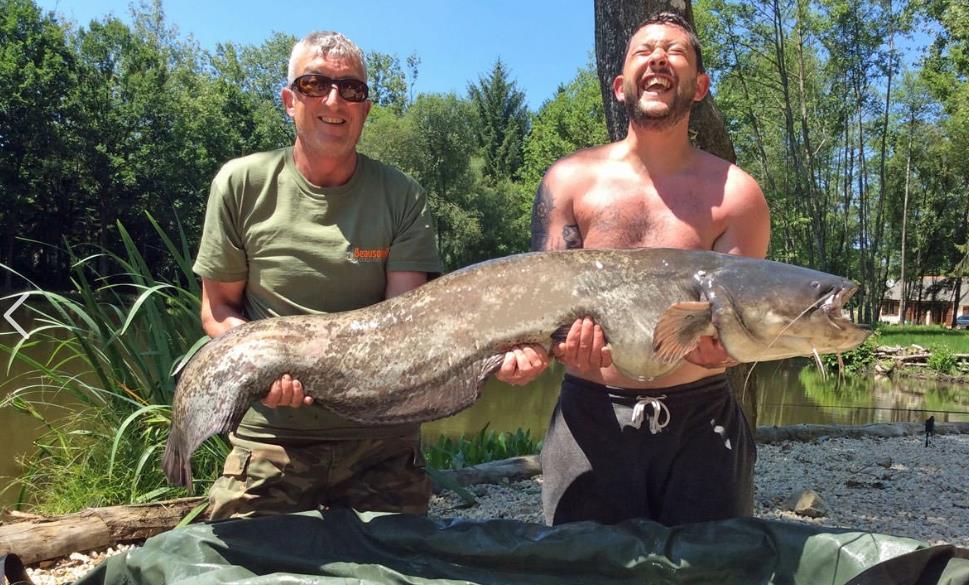
Before we dive into day vs night and river vs lake, let’s make sure we’re all on the same page. Catfish are opportunistic feeders, but they’re not stupid. They rely on their barbels—those whisker-like things—to smell and feel their way to food, especially in murky water. That’s why scent is everything (more on that later). There are three main types of catfish we’re chasing in American rivers and lakes: channel cats (the most common, easiest to catch, and perfect for beginners), blue cats (monsters that love deep, fast water), and flatheads (ambush predators that prefer live bait and heavy cover). I’ve caught all three, and let me tell you—each one has its own quirks. But here’s the big takeaway: catfish behavior changes drastically between day and night, and between rivers and lakes. What works for a channel cat in a lake at night won’t work for a blue cat in a river at noon. Trust me, I’ve tried.
One of my first big mistakes? I used the same approach everywhere. I’d take the same bait, cast it in the same spot, and wonder why I caught catfish in the Ohio River at night but nothing in Lake Okeechobee during the day. It wasn’t until I started paying attention to their habits—where they hide, what they eat, and how the light and water movement affect them—that I started consistently catching fish. Today, I’m breaking that down for you, with my personal stories to back it up.
Rivers vs Lakes: The Big Differences (You’re Wasting Time If You Ignore This)
First things first—rivers and lakes are two completely different ecosystems, and catfish behave differently in each. I fish rivers like the Mississippi and Susquehanna all the time, and I’ll tell you: river catfish are tougher, more active, and they love current. Lake catfish, on the other hand, are more laid-back, prefer structure, and move slower. Let’s break it down with my personal experiences, so you can see exactly what I mean.
Rivers: Catfish Love Current (And Cover)
Rivers are all about current—catfish use it to their advantage, hiding in spots where they can rest and wait for food to drift by. I learned this back in 2001, when I fished the Mississippi River near St. Louis for blue cats. I spent the first half of the day casting into the middle of the river, reeling in nothing but driftwood. Frustrated, I sat down on the bank and watched the water—and that’s when I noticed it: a fallen tree sticking out of the water, creating a small eddy where the current slowed down. I moved to that spot, cast my bait into the eddy, and within 15 minutes, I hooked a 22-pound blue cat. That’s the magic of river catfishing—current breaks are your best friend.
What’s a current break? It’s any spot where the current slows down or changes direction: fallen trees, rocks, bridge pilings, wing dikes, or even sandbars. Catfish hang out here because they don’t want to fight the current all day—they rest in the slow water and wait for minnows, crawfish, or dead bait to drift into their path. In large rivers like the Mississippi, I also target the deep channels near locks and dams—blue cats love these spots because the current is swift, and food is abundant. Last year, I fished the tailwater below a dam on the Ohio River, and I caught 8 blue cats in 2 hours, all over 15 pounds. The key was fishing the edge of the current, where the fast water met slow water—that’s where the big ones hide.
Pro Tip from Tom: In rivers, use heavier weights (1-3 ounces) to keep your bait on the bottom. The current will pull your bait away if you’re not using enough weight, and catfish are bottom feeders—they won’t chase your bait. I use a slip sinker rig (my go-to for river catfishing) because it lets the catfish pick up the bait without feeling the weight of the sinker, which means more bites. Also, focus on deep holes—rivers have deep pools where catfish hide during the day, especially in warm weather.
Lakes: Catfish Love Structure (And Shade)
Lakes are slower, calmer, and catfish here rely on structure instead of current. Structure is anything under the water that gives catfish cover: submerged trees, stumps, rock piles, underwater humps, or even weed beds. I fish Lake Erie and Lake Okeechobee for catfish all the time, and the biggest mistake I see anglers make is casting into open water. Catfish in lakes don’t swim around randomly—they hang out near structure, waiting for food to come to them.
A few years back, I fished Lake Okeechobee for channel cats during the summer. I spent the morning casting into open water, caught nothing, and was about to pack up when I noticed a patch of submerged timber near the shore. I cast my bait into the timber, and within 10 minutes, I hooked a 7-pound channel cat. I stayed there for 3 hours, caught 12 more, and even a small flathead. The timber gave the catfish cover, and the shallow water (8-10 feet deep) was cool enough for them to feed. In deeper lakes like Lake Erie, I target submerged creek channels and underwater humps—these are like highways for catfish, where they move from deep water to shallow water to feed.
Pro Tip from Tom: In lakes, use lighter weights (½-1 ounce) than you would in rivers—you don’t need to fight current, so you want your bait to sit naturally on the bottom. I also love using a three-way rig in lakes—it keeps my bait near structure without getting tangled. And don’t forget about main lake points—these are spots where land sticks out into the lake, and they’re perfect for catfish, especially in late spring when water temperatures are between 60-70 degrees.
Day vs Night Catfishing: The Game-Changer (This Is Where Most Anglers Fail)
Now, let’s get to the heart of the matter: day vs night catfishing. I’ll be honest—I used to only fish for catfish at night, thinking that’s the only time they feed. But after decades of experience, I’ve learned that catfish feed both day and night—you just have to know where to look and what bait to use. The difference is in their behavior: at night, catfish are more active, move into shallower water, and rely more on scent. During the day, they hide in deep water or cover, and they’re more selective about bait. Let’s break it down, with my personal stories to prove it.
Daytime Catfishing: Hide and Seek (Find Their Secret Spots)
A lot of anglers think catfishing during the day is a waste of time—but that’s only if you’re fishing the wrong spots. During the day, catfish want to avoid sunlight and predators, so they hide in deep water, heavy cover, or shaded areas. I learned this the hard way back in my 20s: I fished a small lake near my house at noon on a sunny day, cast my bait into shallow water, and caught nothing. A local angler told me to move to the deep hole near the dam, and within 20 minutes, I hooked a 5-pound channel cat. That’s the key to daytime catfishing—find their hiding spots.
In rivers, daytime catfishing means targeting deep holes, undercut banks, and heavy cover (like fallen trees or rocks). I fished the Susquehanna River last summer during the day, and I focused on a deep hole near a bridge—water was 15 feet deep, and there were rocks along the bottom. I used cut shad as bait (more on bait later), and I caught 6 channel cats in an hour. The deep water kept them cool, and the rocks gave them cover. In lakes, daytime catfishing is all about structure and shade—submerged timber, weed beds, or shaded areas under docks. Last spring, I fished Lake Champlain during the day, and I fished under a dock that was shaded by trees. I used chicken livers as bait, and I caught 5 channel cats in 45 minutes—they were hiding under the dock to escape the sun.
Pro Tip from Tom: During the day, use bait with strong scent—but not too strong. Catfish are more selective during the day, so you want bait that’s fresh and has a natural scent. I prefer cut bait (like shad or bluegill) or chicken livers for daytime fishing. Also, be quiet—catfish have sensitive hearing, and loud noises will scare them away. I’ve had friends talk loudly while fishing, and they wonder why they’re not catching anything—trust me, the catfish can hear you.
Nighttime Catfishing: The Feeding Frenzy (Go Shallow and Scent-Heavy)
Nighttime is when catfish really come alive—and it’s my favorite time to fish. Without sunlight, catfish feel safe to move into shallow water (3-8 feet deep) to feed, and they rely almost entirely on their barbels to find food. That means scent is everything—you want bait that stinks, and stinks bad. I’ve been night fishing for catfish for decades, and my most memorable trip was a few years back on the Ohio River: I was using stink bait (homemade, of course), and I caught 15 channel cats in 3 hours, including a 10-pounder that put up a fight I’ll never forget.
In rivers, nighttime catfishing means moving to shallow areas near current breaks—eddies, sandbars, or the edges of deep channels. Catfish move into these shallow spots to feed on minnows and insects that are active at night. I use a float rig at night in rivers—it lets me keep my bait at the right depth (usually 2-3 feet) without it getting stuck on the bottom. In lakes, nighttime catfishing is all about shallow flats near structure—submerged timber, weed beds, or shorelines with rocks. I fished Lake Okeechobee at night last summer, and I cast my bait into a shallow flat near a weed bed—caught 9 channel cats in 2 hours, all on stink bait.
Pro Tip from Tom: At night, use glow-in-the-dark lures or bait to make your bait more visible. Catfish can’t see well at night, but they can see light, and a glow-in-the-dark hook or bait will attract them. I also use a headlamp (red light, not white—white light scares catfish) to check my line and bait. And don’t be afraid to move around—if you’re not getting bites after 15-20 minutes, move to a new spot. Nighttime catfish are on the move, so you need to move with them.
Bait: The Secret Sauce (What Works, What Doesn’t, and My Go-To Picks)
I can’t talk about catfishing without talking about bait—this is where most anglers mess up. Catfish are scent-driven, so the right bait will make or break your trip. Over the years, I’ve tried every bait under the sun: chicken livers, cut shad, stink bait, live minnows, even hot dogs (don’t laugh—it works sometimes). But I’ve narrowed it down to my go-to baits, depending on the water, time of day, and type of catfish I’m chasing. Let’s break it down, with my personal preferences:
Cut Bait (Shad, Bluegill, or Skipjack Herring): This is my all-time favorite bait for blue cats and flatheads. Cut bait has a strong, natural scent that catfish can smell from far away. I prefer fresh-cut shad—catch a shad, cut it into 1-2 inch pieces, and hook it through the skin. I used cut shad last year on the Mississippi River, and I caught a 28-pound blue cat—biggest one of the season. Cut bait works best in rivers (especially for blue cats) and during the day. Flatheads also love cut bait, but they prefer live bait even more.
Stink Bait: Perfect for nighttime fishing and channel cats. Stink bait is smelly (hence the name), and it’s designed to attract catfish from a distance. I make my own stink bait using chicken livers, garlic, and a little bit of molasses—let it sit in a jar for a few days, and it’s ready to go. I use stink bait at night in lakes and rivers, and it’s never let me down. Just be careful—stink bait is messy, and it’ll stick to your hands for days. Trust me, I’ve learned that the hard way.
Live Bait (Minnows, Goldfish, or Crawfish): This is the best bait for flatheads—they’re ambush predators, and they love chasing live prey. I use live minnows or crawfish for flatheads, and I hook them through the tail so they can swim around, attracting catfish. I caught a 30-pound flathead in the Susquehanna River a few years back using a live goldfish—took 20 minutes to reel it in, and it was worth every second. Live bait also works well for channel cats at night, but it’s more expensive than cut bait or stink bait.
Chicken Livers: The best bait for beginners. Chicken livers are cheap, easy to find, and have a strong scent that catfish love. I use chicken livers for channel cats in lakes during the day—they’re easy to hook, and they work well in shallow water. Just make sure to keep them fresh—old chicken livers will fall off the hook, and catfish won’t touch them. I once used old chicken livers and caught nothing—switched to fresh ones, and caught 5 catfish in 30 minutes.
Pro Tip from Tom: Match your bait to the water. In murky water (like after a storm), use bait with a strong scent (stink bait or cut bait)—catfish can’t see well, so they rely on scent. In clear water, use live bait or fresh cut bait—catfish can see better, and they’ll be more likely to go after something that’s moving.
Gear: Keep It Simple (You Don’t Need Fancy Stuff)
I see a lot of anglers spending hundreds of dollars on fancy catfishing gear, but let me tell you—you don’t need it. I’ve been using the same setup for years, and it works just fine. Here’s my go-to gear, based on decades of experience:
Rod: A 7-foot medium-heavy rod. It’s strong enough to handle big catfish (up to 30 pounds) but sensitive enough to feel bites. I use a Ugly Stik—they’re durable, affordable, and can take a beating. I’ve had mine for 10 years, and it’s still going strong.
Reel: A spinning reel or baitcasting reel—whichever you’re more comfortable with. I use a spinning reel for daytime fishing (easier to cast and control) and a baitcasting reel for nighttime fishing (more precise casts). I prefer a Shimano spinning reel—smooth, reliable, and easy to use.
Line: 20-30 pound test monofilament or braided line. Braided line is stronger and more sensitive, but it’s more expensive. Monofilament is cheaper and easier to handle, especially for beginners. I use braided line in rivers (to handle current) and monofilament in lakes (to avoid getting tangled in structure).
Hooks: Circle hooks (size 4/0 to 8/0). Circle hooks are the best for catfish because they hook the fish in the corner of the mouth, making it easier to release them (if you want to) and reducing the chance of the fish getting hooked in the throat. I’ve used J-hooks before, but I always end up losing fish—circle hooks are a game-changer.
Weights: Slip sinkers (½-3 ounces, depending on current). Slip sinkers let the catfish pick up the bait without feeling the weight, which means more bites. I use heavier weights in rivers (1-3 ounces) and lighter weights in lakes (½-1 ounce).
My Biggest Mistakes (And How to Avoid Them)
I’ve made a lot of mistakes over the years—more than I care to admit. But those mistakes taught me everything I know about catfishing, and I want to save you the frustration. Here are my biggest mistakes, and how to avoid them:
Mistake #1: Using the Wrong Bait for the Time of Day: Early on, I used stink bait during the day and cut bait at night—and I caught nothing. I quickly learned that catfish are more selective during the day, so you need bait with a natural scent (cut bait or chicken livers). At night, they’re more active, so you can use stronger-scented bait (stink bait). Avoid this mistake by matching your bait to the time of day.
Mistake #2: Fishing the Wrong Depth: I once fished a lake at night and cast my bait into 15 feet of water—caught nothing. I moved to 5 feet of water, and I caught 8 catfish in an hour. Catfish move to shallow water at night, so don’t fish too deep. During the day, they move to deep water, so don’t fish too shallow. It’s that simple.
Mistake #3: Not Being Patient: Catfishing is a waiting game. I used to cast my bait and reel it in after 5 minutes if I didn’t get a bite. But catfish are slow feeders—you need to wait 15-20 minutes before moving to a new spot. I once waited 30 minutes for a bite on the Ohio River, and I hooked a 25-pound blue cat. Patience is key.
Mistake #4: Ignoring Water Temperature: Catfish are most active when water temperatures are between 60-80 degrees. If the water is too cold (below 50 degrees), they’ll slow down and won’t feed much. If it’s too hot (above 85 degrees), they’ll move to deep water and be less active. I fish for catfish in spring and fall when water temperatures are perfect—those are the best seasons for catfishing.
Final Thoughts: Catfishing Is About Respect (And Fun)
Guys, catfishing isn’t about catching the biggest fish (though that’s a bonus). It’s about getting out on the water, enjoying nature, and learning something new every time. I’ve been doing this for 35 years, and I still learn something new every time I cast a line. The key to catching catfish is understanding their behavior—where they hide, what they eat, and how the time of day and water type affect them. It’s not rocket science, but it takes practice.
I’ve had friends who thought catfishing was “easy” until they tried it—and then they got frustrated. But once I showed them the tips I’ve shared here—finding current breaks in rivers, structure in lakes, using the right bait for the time of day—they started catching catfish like pros. It’s not magic—it’s just common sense, honed by decades of experience.
If you’re still struggling, hit me up. I’ll meet you at your favorite river or lake, and we’ll fish together—I’ll show you how to find the right spots, choose the right bait, and land those catfish you’ve been chasing. And remember—even if you don’t catch anything, you’re still out on the water, which is better than being stuck inside. That’s the beauty of fishing.
Tight lines, Tom (Your Go-To Fishing Guy)