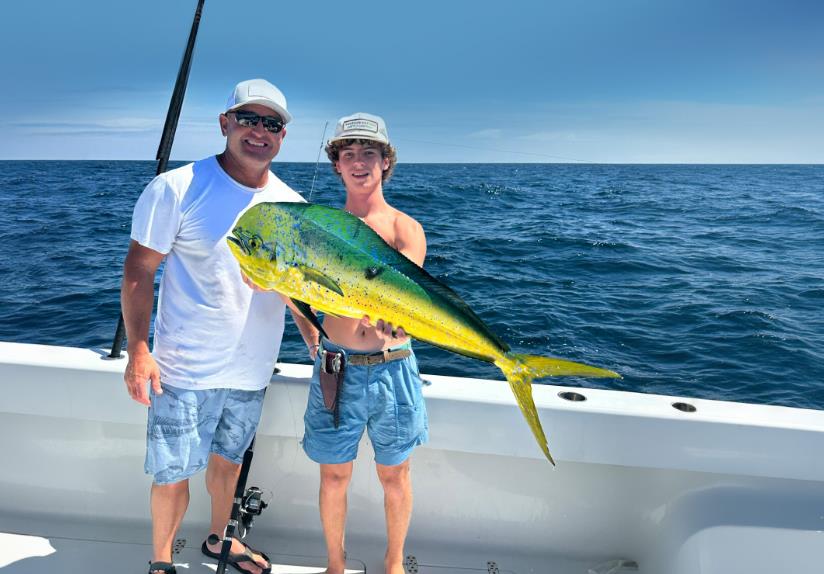
Hey fellas, Tom here. Let’s cut to the chase—lately, every time I grab a beer with my fishing crew, the same question pops up: “Tom, where can I go for a solid fishing trip without dropping a fortune?” I get it. We all love chasing that big catch, but not all of us want to blow our savings on a fancy charter or a high-end lodge. The good news? You don’t have to. Over 25 years of chasing fish from Alaska to Florida, I’ve learned that some of the best fishing in North America is also the most affordable. No fluff, no fancy resorts, just good water, plenty of fish, and trips that won’t leave your wallet crying. Today, I’m breaking down my top budget-friendly destinations—each one tested by me, with the kind of personal horror stories and pro tips that’ll make you look like a pro, even if you’re on a shoestring budget.
First, let’s get one thing straight: “budget” doesn’t mean “bad fishing.” I’ve caught 30lb king salmon in $50-a-night campsites and landed trophy bass in parks that cost $10 to enter. The key is knowing where to look, how to save on gear and lodging, and not falling for the “you need to spend big to catch big” lie. I learned that the hard way—early in my fishing days, I dropped $1,200 on a “premium” salmon charter in Oregon, only to catch one small coho. A week later, I fished a public river 20 miles away, camped in my truck, and caught 5 kings in a day. Lesson learned: smart beats expensive every time.
1. Lake Erie (Ohio/Pennsylvania/New York) – Freshwater Gold for Bass, Walleye, and Perch
Let’s start with a hidden gem that’s flown under the radar for too long: Lake Erie. This Great Lake is a budget angler’s dream—no expensive charters required (though you can get them cheap if you want), public access points everywhere, and fish so abundant, you’ll be reeling them in before your coffee gets cold. I’ve fished Lake Erie every summer for the past 10 years, and it never disappoints. Last year, I took my nephew—first-time angler—out for 3 days, spent less than $300 total, and we caught over 20 walleye, a handful of smallmouth bass, and even a few yellow perch big enough to fry up for dinner.
Here’s the breakdown (the real talk, not the tourist brochure):
- What to Catch: Walleye (peak June-August), smallmouth bass (May-September), yellow perch (year-round, best in spring). The walleye here are monsters—last year, I landed a 7-pounder off the shore in Cleveland, using nothing but a $5 jig and a minnow from the local bait shop. Pro move: Fish the rocky shores at dawn or dusk—walleye love to hang out there, waiting to ambush baitfish.
- Lodging on a Budget: Skip the lakefront resorts (they’ll charge $200+ a night). Instead, camp at one of the state parks—Maumee Bay State Park (Ohio) or Presque Isle State Park (Pennsylvania) have campsites for $20-$30 a night, with restrooms, showers, and even boat ramps. I’ve camped in my truck there too—no cost, just park in a designated lot (check local rules first) and sleep under the stars. Pro tip: Bring a cheap pop-up tent for rain—trust me, you don’t want to wake up soaked after a summer storm.
- Gear Savings: You don’t need a fancy boat. I fish from the shore 90% of the time, using a 7’ medium spinning rod (you can get a decent one for $50-$70—no need for the $300 models). If you want to get out on the water, rent a small jon boat for $50-$75 a day from a local marina—way cheaper than a charter. And don’t buy new tackle: hit up local pawn shops or fishing swap meets—I scored a tackle box full of walleye jigs and crankbaits for $20 last year. Remember, freshwater gear doesn’t need to be fancy—just durable. I still use a rod I bought 15 years ago for $40; it’s caught more fish than some of my friends’ high-end setups.
- My Personal Mistake: First time I fished Lake Erie, I used a saltwater lure (stupid, I know—old habits die hard). I spent 4 hours skunked, until a local angler (old guy named Joe, wearing a beat-up flannel) walked over and said, “Son, you’re fishing for walleye, not salmon. Those lures are too big.” He handed me a small gold jig, showed me how to cast it near the rocks, and 10 minutes later, I caught my first walleye. Now, I keep that jig in my tackle box as a reminder: budget fishing is about working smarter, not harder.
2. Columbia River (Oregon/Washington) – Salmon and Steelhead Without the Alaska Price Tag
If you’re chasing salmon or steelhead but don’t want to drop $2,000 on an Alaska trip, the Columbia River is your answer. This river runs along the Oregon-Washington border, and it’s loaded with chinook (king) salmon, coho (silver) salmon, and steelhead—all year round, depending on the season. I’ve fished the Columbia every fall for the past 15 years, and I’ve never spent more than $400 on a 4-day trip. Last fall, I caught a 28lb king salmon from the shore, using a $10 spawn sack and a rod I borrowed from a friend (don’t tell him I accidentally bent the tip—oops).
Here’s how to do it on a budget:
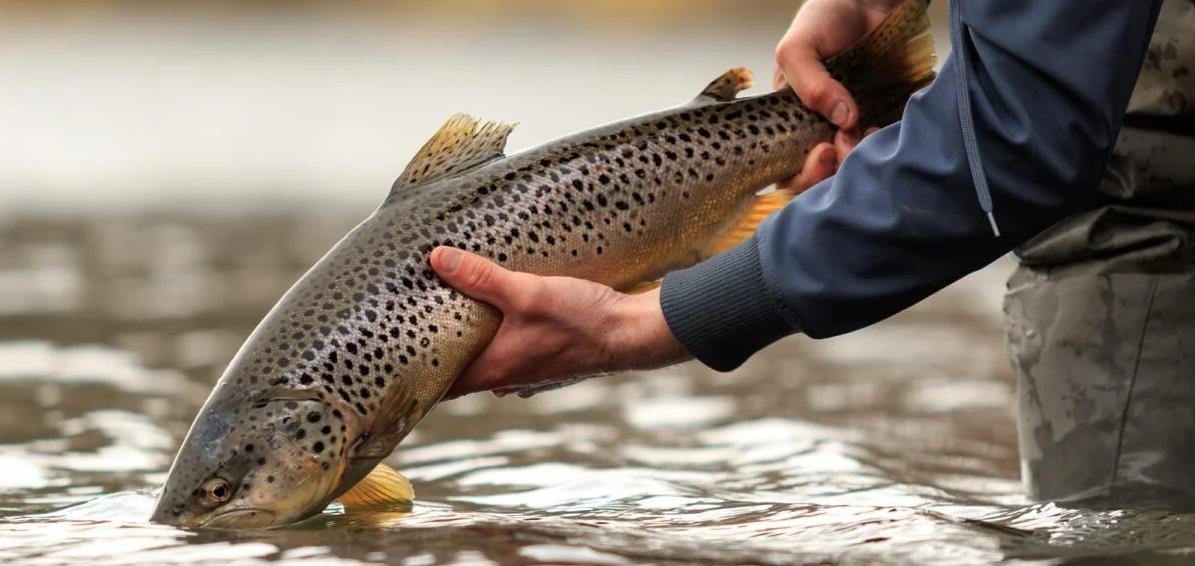
- What to Catch: Chinook salmon (September-November), coho salmon (October-December), steelhead (December-March). The best part? You don’t need a boat—most of the best fishing is from the shore. I prefer fishing near the dams (Bonneville Dam is my go-to) because the fish stack up there, making them easier to catch. Pro move: Fish after a rain—runoff stirs up the water, making salmon more active and less skittish.
- Lodging on a Budget: Camp at Columbia River Gorge State Park—campsites are $25-$35 a night, and you’re steps from the river. If camping isn’t your thing, look for motels in small towns like Hood River (Oregon) or White Salmon (Washington)—they’re $60-$80 a night, way cheaper than the lakefront hotels. I once stayed in a motel for $50 a night that had a kitchenette—cooked up salmon every night for dinner, saved a fortune on restaurants.
- Gear Savings: Salmon fishing on the Columbia doesn’t require fancy gear. A 7’6” medium-heavy spinning rod (I use a $60 Ugly Stik—indestructible), 12-15lb monofilament line, and a few spawn sacks (pre-made ones are $5-$10 a pack) are all you need. Skip the expensive fluorocarbon line—freshwater salmon here aren’t as skittish as the ones in Alaska. And if you don’t have waders, borrow a pair—most fishing buddies will lend them, or you can rent them for $15-$20 a day from a local tackle shop. I’ve worn the same pair of waders for 8 years—just patch them up when they leak (duct tape works in a pinch).
- Pro Tip (From a Guy Who Messed Up): Don’t forget your fishing license—Oregon and Washington both require them, and game wardens patrol the Columbia heavily. First time I fished there, I forgot my license and got a $150 ticket. Now, I keep a digital copy on my phone and a physical copy in my tackle box. Also, check the season dates—salmon runs vary, and you don’t want to show up when the season’s closed (I did that once too—wasted a 4-hour drive). A quick check on the state fish and wildlife website takes 2 minutes, and it’ll save you a lot of hassle.
3. Lake Okeechobee (Florida) – Bass Fishing Paradise on a Shoestring
Florida gets a bad rap for being expensive, but Lake Okeechobee is proof that you can fish in the Sunshine State without breaking the bank. This is one of the best bass fishing lakes in North America—largemouth bass are everywhere, and you can catch them from shore, a cheap rental boat, or even a kayak. I went there last winter (escaped the cold up north) and spent 5 days fishing, lodging, and eating for under $500. I caught 30+ bass, including a 9-pounder that I still brag about to my friends.
Budget breakdown for Lake Okeechobee:
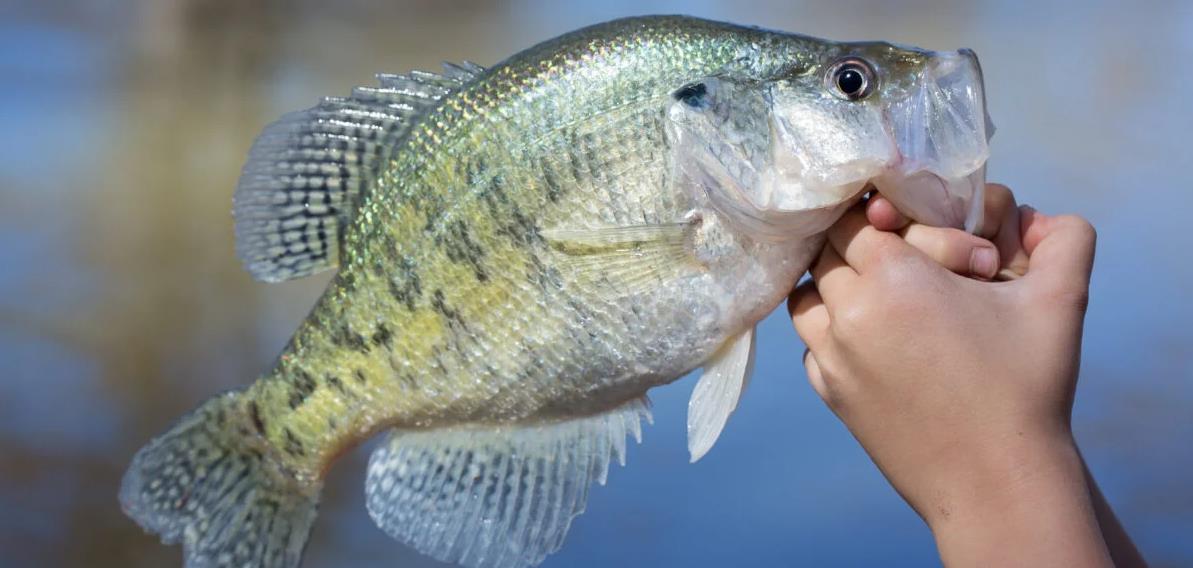
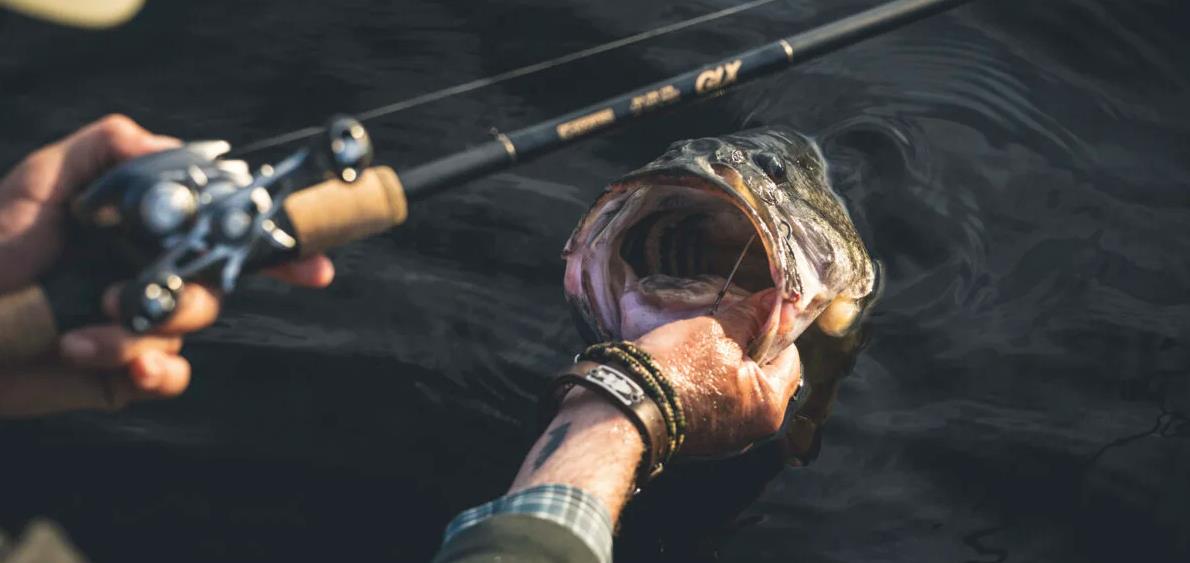
- What to Catch: Largemouth bass (year-round, best November-March), bluegill, and crappie. The bass here are aggressive—you can use plastic worms, jigs, or even live shiners (cheap at local bait shops). I prefer using a $3 plastic worm in green pumpkin—caught more bass with that than any expensive lure. Pro move: Fish the grass beds—bass love to hide there, waiting to pounce on bait. Cast your lure near the edge of the grass, let it sink for 2 seconds, then reel in slowly.
- Lodging on a Budget: Skip the beach resorts—head to the small towns around the lake, like Okeechobee City or Clewiston. Motels there are $50-$70 a night, and some even include free breakfast (save money on coffee and eggs). If you’re feeling adventurous, camp at Lake Okeechobee State Park—campsites are $20-$30 a night, and you’re right on the lake. I camped there last winter, and woke up to bass jumping in the water outside my tent—doesn’t get better than that.
- Gear Savings: Bass fishing gear is cheap—you can get a complete setup (rod, reel, line, tackle) for under $100. I use a 6’6” medium spinning rod (cost me $40) and a $20 reel—works perfectly. If you don’t have a boat, rent a kayak for $30-$40 a day (way cheaper than a motorboat) or fish from the shore—some of my biggest bass came from the shore near the park’s boat ramp. And don’t buy live bait in advance—local bait shops sell shiners for $2-$3 a dozen, way cheaper than buying them at a big-box store.
- My Horror Story: First time I fished Lake Okeechobee, I forgot sunscreen (stupid mistake—Florida sun is brutal). I spent 4 hours fishing, got sunburned so bad I couldn’t wear a shirt for a week. Now, I always bring a cheap bottle of sunscreen ($5 at Walmart) and a hat. Also, bring bug spray—mosquitoes there are vicious, especially at dawn and dusk. I once had to cut a fishing trip short because the mosquitoes were eating me alive—learned that lesson the hard way.
4. Winnipeg River (Manitoba, Canada) – Northern Pike and Walleye for Cheap
Canada might sound expensive, but the Winnipeg River (on the Manitoba-Ontario border) is a budget angler’s secret. This river is loaded with northern pike (some over 30 inches) and walleye, and the cost of living there is way lower than in big Canadian cities like Toronto or Vancouver. I went there 2 years ago with a buddy, spent 4 days fishing, camping, and eating poutine, and we each spent less than $350. We caught so many pike, we had to release most of them—they were biting every cast.
- What to Catch: Northern pike (May-July, September-October), walleye (year-round, best in spring and fall). Pike here are aggressive—you can use big spoons or plastic baits, and they’ll strike hard. I caught a 32-inch pike using a $4 plastic frog lure—total shock, but that’s the beauty of this river: the fish don’t care how much your gear costs. Pro move: Fish the deep pools near the rapids—pike love to hang out there, waiting for prey to get swept by the current.
- Lodging on a Budget: Camp at one of the provincial parks along the river—Whiteshell Provincial Park is my favorite, with campsites for $15-$25 a night (cheaper than U.S. state parks!). If camping isn’t your thing, look for cabins in small towns like Kenora—they’re $70-$90 a night, and most have kitchens so you can cook your catch. I stayed in a cabin with a wood-burning stove—cozy, cheap, and perfect for cold Canadian nights.
- Gear Savings: Pike are tough, so you need durable gear, but it doesn’t have to be expensive. A 7’ medium-heavy spinning rod (I use a $50 Shakespeare) and 20lb monofilament line (cheaper than braided line) are all you need. You’ll also need a wire leader (pike have sharp teeth that will cut through regular line)—wire leaders are $5 for a pack of 10. Don’t buy expensive lures—pike will hit anything that moves. I used old spoons I found in my tackle box, and they worked better than the new ones I bought.
- Pro Tip: Bring a passport—you need it to cross the border into Canada. I once forgot mine, drove 3 hours to the border, and had to turn around—total waste of time and gas. Also, check the Canadian fishing license requirements—you can buy a non-resident license online for $20-$30 for 3 days, way cheaper than a U.S. license in some states. And bring cash—some small bait shops and motels don’t take credit cards.
Tom’s Budget Fishing Golden Rules (Learned the Hard Way)
After 25 years of budget fishing, I’ve got a few rules that will save you time, money, and frustration. Follow these, and you’ll catch more fish and spend less cash—guaranteed:
- Camp, Don’t Hotel: Camping is the cheapest way to stay near the water, and it’s more fun. Even if you don’t have a tent, sleep in your truck (if it’s safe) or rent a cheap pop-up tent for $30. I’ve saved hundreds of dollars over the years by camping instead of staying in motels.
- Borrow or Buy Used Gear: You don’t need new gear to catch fish. Borrow a rod from a friend, hit up pawn shops, or buy used gear online (Facebook Marketplace is great for cheap fishing gear). I once bought a used tackle box full of lures for $15—has everything I need for any trip.
- Eat Your Catch: Eating the fish you catch saves money on restaurants. Bring a small cooler and a portable grill (you can get one for $20-$30) and cook your catch at your campsite. There’s nothing better than fresh walleye or salmon cooked over an open fire—way better than fast food, and cheaper too.
- Skip the Charters (Unless You Have to): Most charters are overpriced. You can catch just as many fish from shore or a cheap rental boat. If you do book a charter, ask for a group rate—split the cost with friends, and it’ll be way more affordable. I once booked a charter with 3 friends, split the $200 cost, and we each paid $50—caught 10 salmon apiece.
- Talk to the Locals: Locals know the best spots, the best bait, and the cheapest places to stay. Strike up a conversation with the guy at the bait shop or the angler next to you on the shore—they’ll give you tips you won’t find online. I’ve found some of my favorite fishing spots thanks to locals—they’re always happy to help a fellow angler.
Final Thoughts: Budget Fishing Isn’t About Sacrificing Quality
Guys, I’ve fished all over North America—from expensive Alaska charters to cheap state park campsites—and some of my best fishing memories have been on budget trips. You don’t need to spend a fortune to catch big fish or have a good time. The key is to keep it simple: find a good destination, use cheap gear, camp instead of hotel, and talk to the locals. I’ve caught more trophy fish on budget trips than I have on expensive ones—and I’ve had way more fun doing it.
If you’re on the fence about a budget trip, just go. Take a friend, pack your gear, and head to one of these destinations. You’ll save money, catch fish, and make memories that will last a lifetime. And if you get stuck—hit me up. I’ll give you the inside scoop on the best spots, the cheapest gear, and how to avoid the mistakes I made (trust me, there are plenty).
Remember, fishing is about being on the water, not spending money. Tight lines, fellas—see you out there.
– Tom, Your Local Fishing Guy Who’s Caught Big Fish on Small Budgets (And Made Every Mistake in the Book)