Hey guys, Tom here again. Lately, I’ve been getting the same question over and over from you: “Tom, should I use a spinning reel or a baitcasting reel?” Let me cut to the chase—there’s no “better” option. But there is a right option for you, your style of fishing, and the waters you’re chasing. I’ve been using both for 35+ years—spinning reels for calm days chasing panfish, baitcasters for hauling in trophy bass and pike—and I’ve made every mistake in the book (trust me, I’ve tangled more baitcasting lines than I care to admit). This isn’t a textbook explanation; this is the real deal—my personal wins, my frustrating fails, and the hard-learned tips that will save you time, money, and a whole lot of frustration. Let’s break it down like we’re sitting on the dock with a cold beer, no jargon, just straight talk from a guy who’s been there.
First, Let’s Get the Basics Straight (No Jargon, Promise)
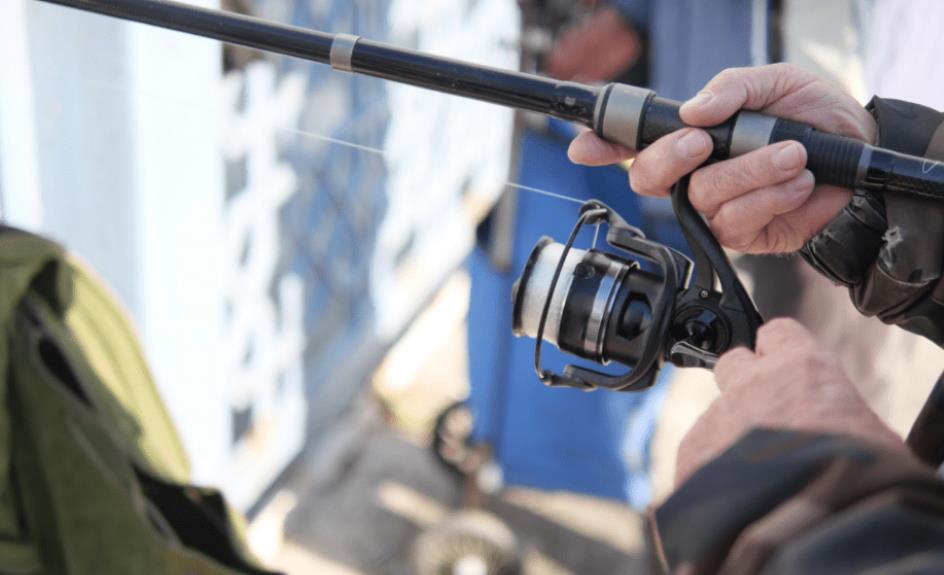
Before we dive into the “which one” part, let’s make sure we’re all on the same page. A spinning reel (you know, the one with the spool that sits horizontally, a bail wire, and a handle on the side) is the one most new anglers start with. It’s simple, forgiving, and works for most casual fishing. A baitcasting reel (the one with the spool that sits vertically, a thumb bar, and the handle usually on the right side) is the “pro” looking one—faster, more precise, but way less forgiving if you don’t know what you’re doing. I started with a spinning reel when I was 12—my dad gave me a beat-up Shakespeare spinning combo—and I didn’t touch a baitcaster until I was 25, when I decided I wanted to chase trophy bass in Lake Fork. Big mistake? Not exactly—but I wish I’d had someone tell me the real differences back then, instead of learning the hard way.
Spinning Reels: The Reliable Workhorse (My First Love)
Let’s start with spinning reels—they’re my comfort zone, and for good reason. I still use my trusty spinning reel 40% of the time, even after all these years. Why? Because they’re idiot-proof (mostly), versatile, and perfect for a lot of the fishing we do as casual anglers. Let me share a story: Last summer, I was fishing Lake Champlain for smallmouth bass, and the wind was howling—20 mph gusts, choppy water, and I was casting small plastic worms. My baitcaster would’ve been a disaster—wind catches the line, tangles, and I’d be spending more time untangling than fishing. But my spinning reel? I just flipped the bail, cast, and let the worm drift with the current. I landed 8 smallmouth that day, all because my spinning reel handled the wind like a champ.
So, when should you choose a spinning reel? Let’s break it down with my personal rules:
1. You’re a Beginner (or Fishing with Kids/Friends Who Are New): I’ve taught dozens of friends and my grandkids to fish, and I always start them on a spinning reel. Why? No backlash. Backlash (that bird’s nest of line you get with baitcasters) is the #1 reason new anglers quit. With a spinning reel, you flip the bail, cast, and reel—no thumb control needed. My grandson, Jake, caught his first bluegill on a spinning reel when he was 6, and he’s hooked ever since. If I’d put a baitcaster in his hand, he would’ve gotten frustrated and thrown it in the lake.
2. You’re Fishing Light Lures or Small Fish: Spinning reels excel with light tackle—lures under 1/4 ounce (like small spinners, flies, or tiny plastic worms) and fish like panfish, trout, or small bass. I use a spinning reel for trout fishing in Lake Tahoe—those tiny spoons and live minnows need a gentle cast, and a spinning reel delivers that. Baitcasters struggle with light lures—they’re too heavy, and you can’t get a smooth cast without the lure dropping too fast and tangling the line. Trust me, I’ve tried—once, I tried to cast a 1/8 ounce spinner with a baitcaster in Lake Tahoe, and I ended up with a backlash so bad, I had to cut the line and re-spool.
3. Windy Conditions or Open Water: Like I mentioned earlier, spinning reels handle wind better. The line comes off the spool smoothly, and the bail wire keeps it from tangling in the wind. I use a spinning reel when I’m fishing Lake Erie for walleye—those west winds can get brutal, and a baitcaster would be more hassle than it’s worth. Spinning reels also work great for open water fishing, where you don’t need super precise casts—just cast and let the bait drift.
Pro Tip from Tom: Don’t skimp on a spinning reel. I used to buy cheap ones, and they’d rust, jam, or break after a season. My current spinning reel is a Shimano Stradic—I’ve had it for 8 years, fished it in saltwater (by accident) and freshwater, and it still works like new. Spend $100-$150, and it’ll last you a decade.
Baitcasting Reels: The Precision Powerhouse (For When You Mean Business)
Now, let’s talk baitcasters—the reel that separates the casual anglers from the ones who mean business (and the ones who like to show off a little). I resisted baitcasters for years, thinking they were too “fancy” for me. But once I mastered them, I never looked back—especially for trophy bass and pike. Let me set the scene: Lake Fork, March 2018, foggy morning, and I’m targeting big largemouth hiding in submerged timber. I needed to cast a Texas-rigged worm exactly between two tree trunks—no room for error. My spinning reel could’ve done it, but not with the precision I needed. My baitcaster? I flipped the thumb bar, cast, and landed the worm right where I wanted it. Five minutes later, I hooked that 12-pound bass I told you about earlier. That’s the power of a baitcaster—precision.
So, when should you choose a baitcaster? Here’s my personal take, based on decades of use:
1. You’re Chasing Trophy Fish or Using Heavy Lures: Baitcasters are built for power. If you’re fishing for trophy bass, northern pike, or muskie—fish that fight hard and require a lot of control—a baitcaster is your best friend. I use a baitcaster when I’m fishing Lake Okeechobee for big bass in lily pads—those fish pull hard, and a baitcaster gives me the leverage to yank them out of the vegetation without breaking the line. Baitcasters also handle heavy lures (1/2 ounce or more) like a dream—crankbaits, jigs, and spinnerbaits fly farther and more accurately with a baitcaster than a spinning reel. I once cast a 3/4 ounce crankbait with my baitcaster in Lake Erie, and it went 50 yards—something my spinning reel could never do.
2. You Need Precision Casting: If you’re fishing in tight spots—submerged timber, lily pads, docks, or rocky points—you need a baitcaster. Spinning reels are great for open water, but when you need to cast into a 2-foot gap between two trees, a baitcaster is the only way to go. I use a baitcaster for smallmouth bass in Lake Champlain—those fish hide in rocky crevices, and I need to cast right into those crevices to get a strike. With a spinning reel, I’d miss more often than not; with a baitcaster, I hit the spot 9 times out of 10.
3. You Want More Control Over Your Line: Baitcasters let you control the line with your thumb—you can slow down the spool mid-cast to avoid backlash, or stop the line entirely when your lure hits the water. This is crucial for techniques like flipping and pitching (which I use in Lake Okeechobee) or when you’re fishing with live bait and need to keep the line tight. With a spinning reel, you have less control—once the line is out, it’s out, and you can’t slow it down mid-cast. I’ve lost more than one big bass because my spinning reel line slackened, and the fish got away.
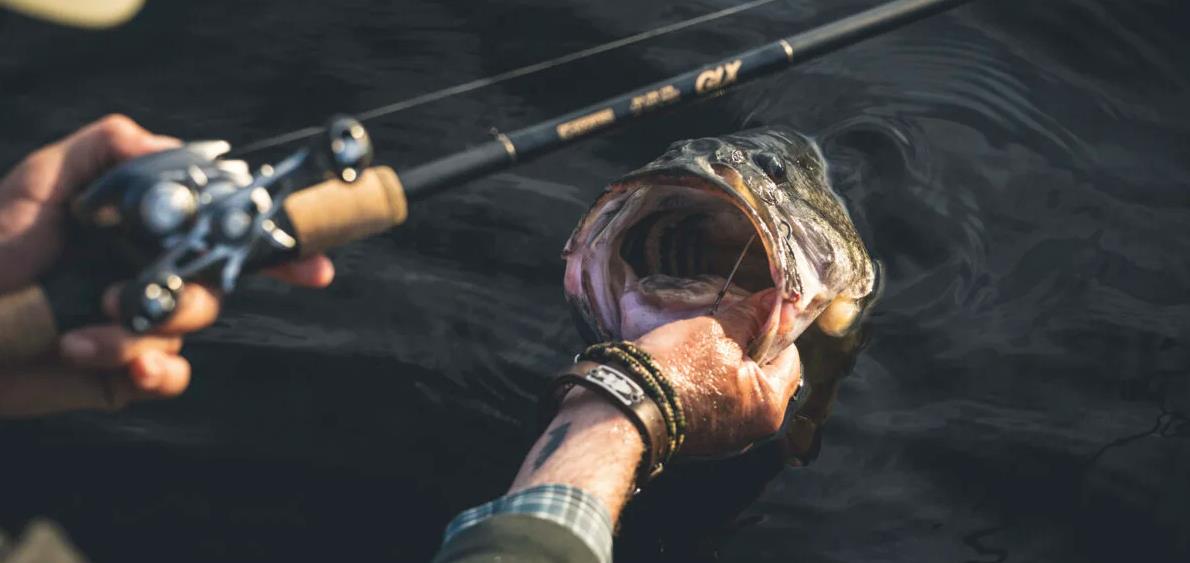
Pro Tip from Tom: Don’t be scared of backlash. I’ve had my fair share—once, I spent 45 minutes untangling a baitcaster after a bad cast in Lake Fork. The key is to start slow. Set your baitcaster’s tension dial so that when you let go of the line, the lure falls slowly (not like a rock). Practice casting in an open field first—no water, no pressure. Once you get the hang of thumb control, you’ll never go back. And invest in a good baitcaster—my favorite is the Daiwa Tatula. It’s smooth, durable, and has a anti-backlash system that saves me a lot of headaches.
The Big Question: Which One Should You Choose?
Let’s cut through the noise and make this simple. Here’s my personal cheat sheet, based on what I tell my friends when they ask:
Choose a Spinning Reel If:
- You’re new to fishing, or you’re fishing with beginners/kids.
- You fish light lures (under 1/4 ounce) or target small to medium fish (trout, panfish, small bass).
- You often fish in windy conditions or open water.
- You want something low-maintenance and forgiving.
Choose a Baitcasting Reel If:
- You’re an experienced angler, or you want to step up your game.
- You chase trophy fish (big bass, pike, muskie) or use heavy lures (1/2 ounce or more).
- You need precision casting (tight spots, submerged structure).
- You want more control over your line and lure.
And here’s a little secret: I carry both. When I’m fishing Lake Fork, I have a baitcaster on one rod (for precision casting to timber) and a spinning reel on another (for open water). When I’m fishing Lake Tahoe, I use a spinning reel for trout and a baitcaster for lake trout (since they’re deeper and require heavier lures). There’s no rule that says you have to choose one or the other—use the right tool for the job.
My Final Thoughts (No Fluff, Just Truth)
Guys, I’ve used spinning reels to catch my first fish, and baitcasters to catch my biggest fish. Both have their place, and both have made me a better angler. The worst mistake you can make is buying a baitcaster because you think it’s “cool” or “pro,” only to get frustrated with backlash and quit. Start with a spinning reel if you’re new—master it, then move to a baitcaster when you’re ready. And if you’re an experienced angler, don’t sleep on spinning reels—they’re still the most versatile tool in your tackle box.
I’ve had friends buy expensive baitcasters and never use them because they can’t get the hang of them. I’ve also had friends stick with spinning reels and catch just as many fish as I do with my baitcaster. It’s not about the reel—it’s about how you use it. Practice, patience, and knowing your waters are more important than any piece of gear.
If you’re still on the fence, hit me up. Bring your rods over, and I’ll show you the difference firsthand. We can cast in my backyard, untangle a few backlashes (don’t worry, I’ll bring the scissors), and figure out which reel is right for you. At the end of the day, fishing is about having fun—not about using the “best” gear. But a good reel? It sure makes the fun last longer.
Tight lines, Tom (Your Go-To Fishing Guy)