Hey guys, Tom here. If you’ve been pestering me lately about the best freshwater fishing lakes in America, you’re in luck—I’m finally putting pen to paper to share the spots that have defined my 35+ years of casting lines. I’ve fished every corner of this country, from the ice-cold mountain lakes of the Rockies to the murky, bass-rich waters of the South, and let me tell you: not all lakes are created equal. This isn’t some generic list you’ll find on a tourist site—I’m giving you the inside scoop, the personal war stories, and the pro tips that only someone who’s spent countless dawns and dusks on these waters would know. Whether you’re chasing trophy bass, monster walleye, or just looking for a peaceful day on the water with consistent bites, these lakes are non-negotiable for any serious angler. Let’s dive in.
1. Lake Fork, Texas – The Trophy Bass Mecca
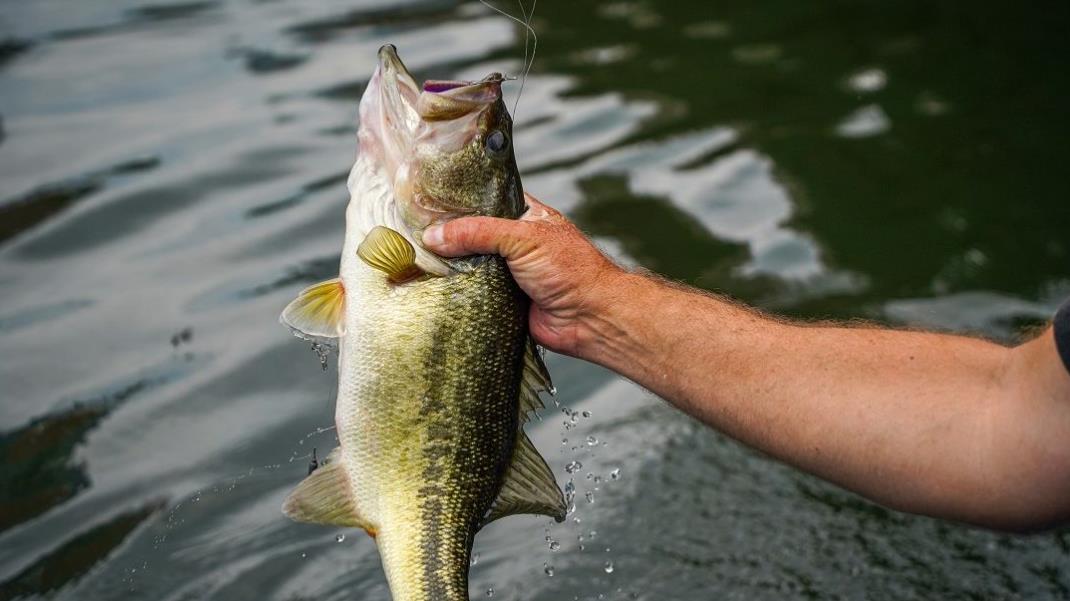
If you ask any bass angler worth their salt where to catch a double-digit largemouth, Lake Fork will be the first name out of their mouth—and for good reason. This 27,000-acre reservoir in East Texas isn’t just a lake; it’s a bass fishing legend. I’ve fished here at least a dozen times, and every trip feels like a masterclass in patience and precision. Let me set the scene: early March, fog rolling off the water, the smell of pine in the air, and a plastic worm slowly drifting near a submerged tree. That’s how I landed my personal best largemouth here—12 pounds, 4 ounces, back in 2018. It wasn’t luck; it was knowing the lake’s secrets.
Lake Fork is managed specifically for trophy bass, with over 50% of the top 50 largest bass ever caught in Texas coming from these waters. The key here is structure—submerged timber, hydrilla beds, and drop-offs are where the big girls hide. I swear by a Texas-rigged plastic worm (green pumpkin is my go-to) fished slow near the bottom, but in late spring, topwater lures like poppers work magic at dawn and dusk. Pro tip: Don’t waste your time on the main lake during peak season—head to the coves and tributaries, where bass spawn and feed without the crowds. And if you’re there in summer, drop your line to 15-20 feet; the water warms up fast, and the bass go deep to cool off. I once spent a whole day fishing the main lake and caught nothing, then moved to a small cove and landed 7 bass in an hour—trust me, structure is everything here.
2. Lake Erie (Western Basin) – Walleye Capital of the World
Let’s switch gears to walleye—my second favorite fish to chase, and Lake Erie’s western basin (straddling Ohio, Michigan, and Pennsylvania) is the gold standard. They call it the “Walleye Capital of the World” for a reason: this lake produces more walleye than any other freshwater body in America, and the average size is nothing to sneeze at (6-8 pounds is common, with 10+ pounders caught every year). I’ve fished Lake Erie every fall for the past decade, and it’s never disappointed—even on slow days, you’ll catch enough walleye for a fish fry.
My personal trick here is trolling with crankbaits (deep-diving models in chartreuse or silver) along the drop-offs between 20-30 feet of water. The western basin has a unique structure—shallow flats that drop off into deeper channels, and that’s where walleye school up to feed on shad. Last fall, I was trolling with my buddy Jake, and we hit a hot spot near the Michigan shore—we landed 23 walleye in 3 hours, including a 9-pounder that put up a fight I’ll never forget. Another pro tip: Fish early morning or late afternoon; walleye are nocturnal feeders, so they’re most active during low light. And don’t sleep on the perch here—Lake Erie’s yellow perch are plump and abundant, perfect for a side dish to your walleye feast. Just make sure to check the regulations—walleye limits change yearly, and you don’t want to get fined for keeping too many.
3. Lake Tahoe, California/Nevada – Pristine Waters & Trophy Trout
For anglers who love beauty as much as fishing, Lake Tahoe is non-negotiable. This alpine lake, straddling California and Nevada, is one of the clearest freshwater lakes in the world—you can see 70 feet down on a calm day—and it’s home to some of the biggest lake trout (mackinaw) and kokanee salmon you’ll ever hook. I first fished Tahoe in 2005, and I’ve been going back every summer since. There’s something surreal about casting a line into that crystal-clear blue water, with the Sierra Nevada mountains towering in the background—it’s not just fishing; it’s an experience.
Lake trout are the prize here, and they’re not easy to catch—they’re deep, smart, and fast. I use a downrigger to get my bait (live minnows or spoons) down to 50-70 feet, where the water is cool enough for them. My biggest mackinaw here was 18 pounds, caught near Emerald Bay—let me tell you, that fish pulled so hard, I thought it was going to yank my rod out of my hands. Kokanee salmon are easier to catch, especially in late summer when they school up near the surface. I use small spinners or fly tackle, and I’ve had days where I caught 15+ kokanee in an hour. Pro tip: Don’t fish from shore—rent a boat or join a guided tour. Most of the good fishing is in the deeper parts of the lake, and shore access is limited. Also, pack layers—Tahoe’s weather is unpredictable, even in summer. I once went out in a t-shirt and had to huddle under a jacket when a storm rolled in—lesson learned.
4. Lake Okeechobee, Florida – The Big Water Bass Giant
Florida’s Lake Okeechobee is the largest freshwater lake in the Southeast, and it’s a bass angler’s playground. This 730-square-mile lake is shallow (average depth is only 9 feet) and covered in lily pads, hydrilla, and grass—perfect habitat for largemouth bass. I’ve fished Okeechobee in winter and spring, and both seasons offer incredible action. Winter (December-February) is when the bass school up in the deeper channels, and spring (March-April) is spawning season, when they move to the shallows—either way, you’re in for a fight.
My go-to technique here is flipping a jig into the lily pads—bass love to hide under the pads, and a well-placed flip will trigger a strike. I once spent a winter day fishing the rim canal (the man-made canal around the lake) and landed 10 bass, including a 10-pounder that came out of a patch of hydrilla. Pro tip: Use a heavy rod (7-foot medium-heavy) and braided line—you’ll need the strength to pull bass out of the thick vegetation without breaking your line. Also, watch out for alligators—yes, really. I’ve had a few gators swim near my boat while I’m fishing, and let me tell you, it’s a humbling experience. Just keep your distance, and don’t leave your bait in the water when you’re not fishing. And if you’re a tournament angler, Okeechobee hosts some of the biggest bass tournaments in the country—you might even see a pro or two while you’re there.
5. Lake Champlain, New York/Vermont – The East’s Best Multi-Species Lake
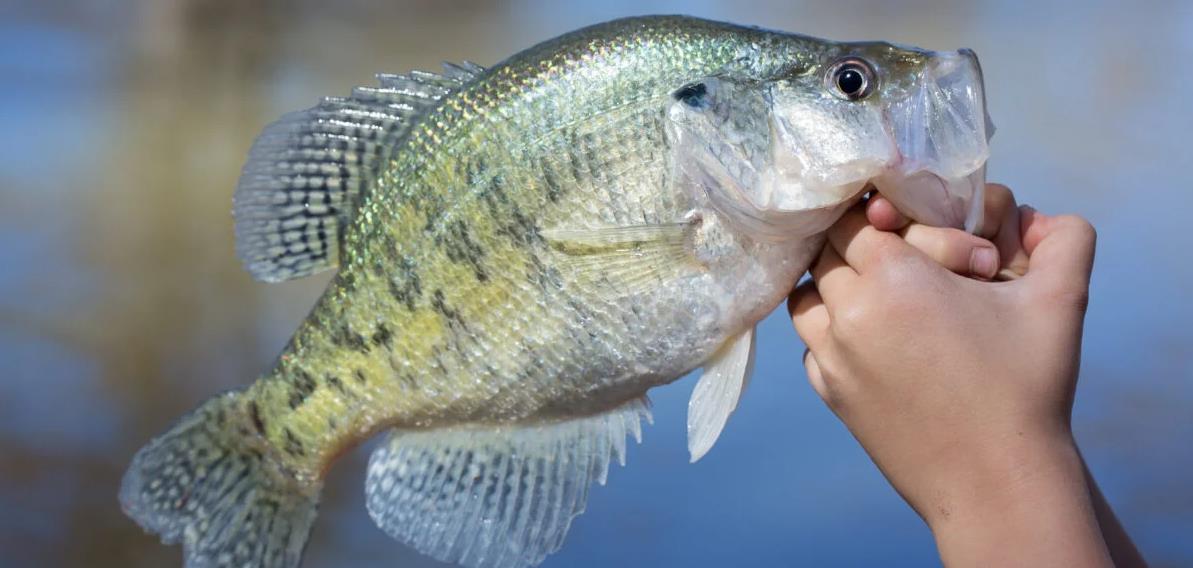
If you’re looking for variety, Lake Champlain is your lake. Stretching 120 miles between New York and Vermont, this lake has it all: smallmouth bass, largemouth bass, northern pike, lake trout, walleye, and even crappie. I fished Champlain last summer, and I caught 5 different species in one day—that’s how diverse it is. The lake’s scenery is stunning too—rolling hills, historic towns, and quiet coves that feel like hidden gems.
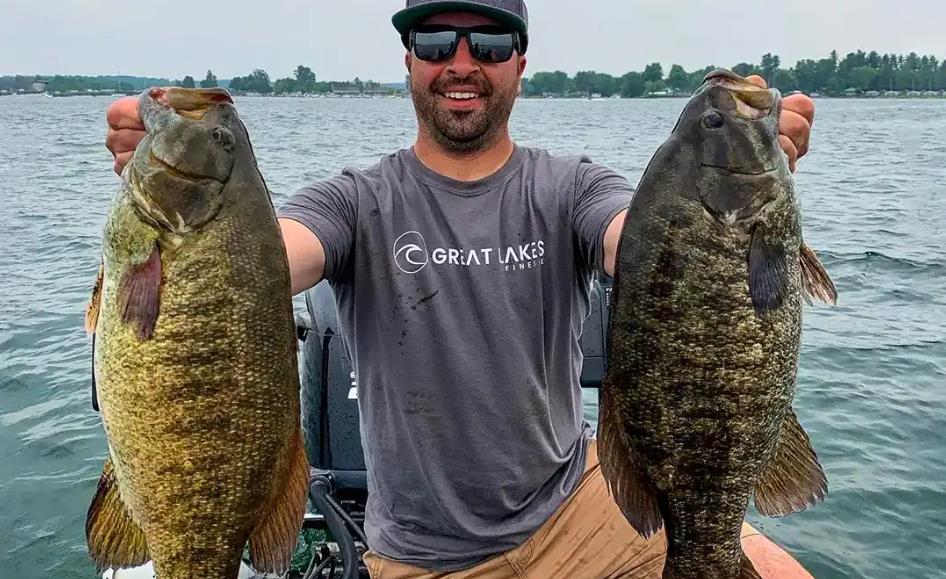
Smallmouth bass are my favorite here—they’re aggressive, fight hard, and grow to impressive sizes (6-7 pounds is common). I use a drop shot rig with a small plastic worm, fished near rocky points and reefs. Last summer, I was fishing near Burlington, Vermont, and hooked a smallmouth that jumped out of the water three times before I reeled it in—pure adrenaline. Northern pike are another highlight—they’re apex predators, and catching one is a thrill. I use large spoons or live bait (minnows) fished near weed beds, and I’ve caught pike up to 30 inches here. Pro tip: Fish the New York side for smallmouth and the Vermont side for pike—each side has its own sweet spots. Also, fall is the best time to fish Champlain—water temperatures cool down, and fish become more active. I’ve had some of my best days here in October, when the leaves are changing and the crowds are gone.
Final Thoughts from a Veteran Angler
Guys, these lakes aren’t just spots to cast a line—they’re places that have given me memories, challenges, and some of the best days of my life. I’ve made mistakes (like forgetting bug spray in Lake Okeechobee—never do that), celebrated wins (that 12-pound bass in Lake Fork), and bonded with friends over shared catches. The key to fishing these lakes is respect—respect the water, respect the fish, and respect the local regulations. And don’t be afraid to experiment—what works for me might not work for you, so try different lures, different depths, and different times of day.
If you’re planning a trip to any of these lakes, hit me up—I’ll share more specific spots, gear recommendations, and even my favorite local bait shops. Fishing is about more than catching fish; it’s about getting outside, disconnecting from the world, and enjoying the beauty of nature. These lakes deliver on all fronts, and I promise you won’t be disappointed. Now grab your rod, pack your tackle box, and hit the water—your next trophy catch is waiting.
Tight lines, Tom (Your Go-To Fishing Guy)