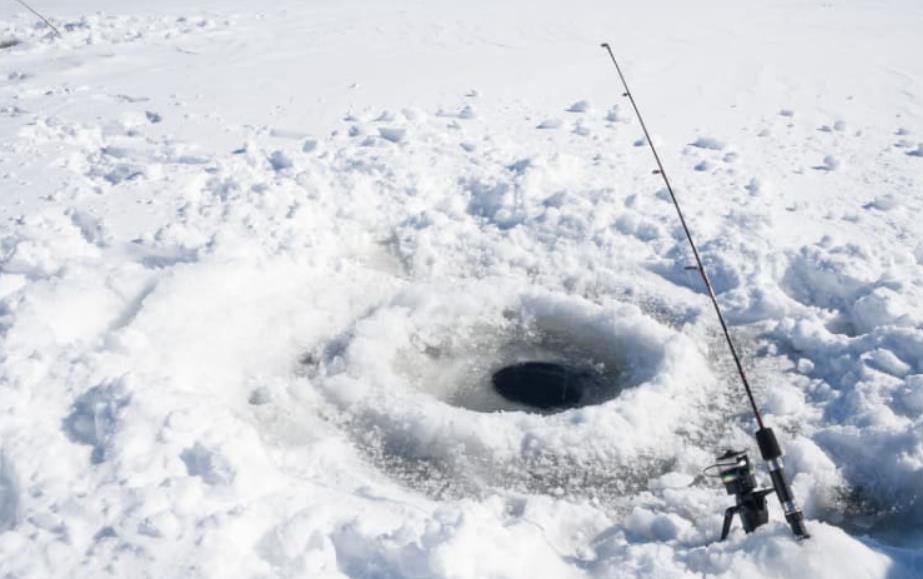
Let’s cut to the chase—if you’ve been blowing up my phone asking about the best ice fishing spots in North America, you know I don’t mess around with generic “top 10” lists. I’ve spent 35 years chasing winter’s biggest freshwater trophies across the U.S. and Canada—braving -20°F winds, drilling hundreds of holes, and learning the hard way which spots deliver and which ones are just hype. Ice fishing isn’t just summer fishing on frozen water—it’s a whole different game, and the right destination can mean the difference between hauling in a trophy walleye or freezing your tail off for nothing. This guide isn’t from some travel blog or textbook—it’s the hard-earned wisdom of a guy who’s slept in ice shanties, broken through thin ice (don’t worry, I lived to tell the tale), and celebrated more winter catches than I can count with a thermos of hot coffee in hand. I’m breaking down my personal favorite ice fishing spots, why they work, what to target, and the secrets only a veteran knows—no fluff, no lies, just straight talk to help you plan your next winter fishing trip like a pro. Let’s dive in (pun absolutely intended).
First: The Golden Rule of Ice Fishing Destinations (Don’t Skip This)
Before we talk spots, let’s get one thing straight: not all frozen lakes are created equal. The best ice fishing destinations have three non-negotiables: thick, safe ice (at least 4–6 inches for walking, 8+ inches for vehicles), healthy fish populations, and accessible structure (weeds, drop-offs, humps) where fish gather in winter. I’ve made the mistake of chasing “famous” spots only to find thin ice or dead water—like that time I drove 6 hours to a lake in northern Michigan that everyone was raving about, only to drill 10 holes and find ice that was barely 3 inches thick. I hightailed it out of there, and let me tell you, that drive back with frozen toes and a empty cooler was brutal. Lesson learned: always check local ice reports before you go—most states and provinces have weekly updates from game wardens or local bait shops. And never, ever assume ice is safe just because it’s cold outside. Now, let’s get to the spots that have never let me down.
Tom’s Top Ice Fishing Destinations in North America (Personal Favorites)
These spots aren’t just popular—they’re proven. I’ve fished each one at least a dozen times, and they consistently produce big fish, even in tough winters. I’ll break down what to catch, when to go, and my personal tips that you won’t find anywhere else.
1. Lake of the Woods, Minnesota/Ontario (U.S. & Canada)
If there’s a holy grail of ice fishing, Lake of the Woods is it. Straddling the U.S.-Canada border (most of my trips are to the Minnesota side, but the Ontario side is just as good), this massive lake (over 1.7 million acres) is a winter fishing mecca. I’ve been coming here every January for 20 years, and it never disappoints. Why? It’s loaded with walleye, northern pike, sauger, and even the occasional lake trout—all of which are active under the ice. The ice here gets thick early (usually 8–12 inches by mid-December) and stays thick well into March, so you have a long season to fish.
My personal spot: Head to the Northwest Angle—specifically, the area around Oak Island. I’ve drilled holes here and pulled in 28-inch walleye back-to-back on slow days. The key here is targeting the edge of drop-offs (15–25 feet deep) where walleye gather to feed on minnows. I use a small jig with a minnow head, dropped slowly to the bottom, then lifted 6–8 inches and paused—walleye can’t resist that slow, wounded movement. Pro tip: Bring a portable ice shanty here—wind chills can hit -30°F, and you’ll thank me for having a warm place to sit between bites. I once forgot mine and spent 3 hours huddled behind my truck, freezing so bad I couldn’t feel my fingers. Never again.
What to catch: Walleye (primary target), northern pike, sauger, lake trout. Best time to go: January–February (peak walleye activity). Bonus: There are plenty of bait shops and ice fishing guides here if you’re new—but trust me, once you find that drop-off, you won’t need one. Just make sure to get a Minnesota fishing license (non-residents can buy a 7-day license online) and check the border rules if you cross into Canada—they’re strict about fishing licenses and gear.
2. Mille Lacs Lake, Minnesota
Mille Lacs is another Minnesota gem, and it’s perfect if you want a mix of trophy fish and convenience. Unlike Lake of the Woods, which is remote, Mille Lacs is just a 2-hour drive from the Twin Cities, so it’s easy to get to for a weekend trip. I’ve fished here every winter for 15 years, and it’s one of the most reliable spots for big northern pike and walleye. The lake is huge (132,000 acres) with plenty of structure—weedy bays, mid-lake humps, and rocky points—that hold fish all winter.
My personal spot: The southern bay, near Garrison. I’ve had my best luck here targeting 10–15 feet of water near weedy beds—pike love to hide in the weeds and ambush prey. I use a 6-inch soft plastic swimbait on a heavy jig head, retrieved slowly along the bottom. One year, I pulled a 42-inch pike out of this bay—still one of my biggest ice-caught pike ever. Pro tip: Don’t overlook the shallow water (5–8 feet) here—on sunny days, walleye will move into shallow water to feed, and you can catch them with a simple minnow rig. I once caught 12 walleye in 2 hours in 6 feet of water—my buddies still give me grief for keeping that spot to myself.
What to catch: Northern pike, walleye, crappie. Best time to go: December–March (pike are most active in December, walleye in January–February). Bonus: There are plenty of ice shanties for rent here, and most bait shops sell live minnows (a must for walleye). Just be careful with the ice near the shore—some areas thin out faster, so always drill test holes before walking too far.
3. Lake Simcoe, Ontario, Canada
If you’re willing to cross the border, Lake Simcoe is worth every mile. This lake, just north of Toronto, is famous for its trophy yellow perch and lake trout—but it also has great walleye and pike fishing. I’ve been coming here for 10 years, and it’s one of the most consistent spots I’ve ever fished. The ice here is thick and stable (10–14 inches by mid-January), and the fish are abundant—you’ll rarely have a day without a bite.
My personal spot: The area around Kempenfelt Bay. I target 20–30 feet of water here, using a small jig with a wax worm for perch and a larger jig with a minnow for lake trout. The perch here are huge—10–12 inches on average—and they school up, so once you find one, you’ll find a bunch. I once caught 50 perch in 3 hours here—enough to feed my whole family for a week. Pro tip: Lake trout here are deep, so you’ll need a long ice rod (36–48 inches) to reach them. I use a 42-inch St. Croix ice rod—it’s stiff enough to set the hook hard but flexible enough to feel even the lightest bite. Also, make sure to bring a fish finder—lake trout move around a lot, and a finder will save you hours of drilling empty holes.
What to catch: Yellow perch, lake trout, walleye, northern pike. Best time to go: January–February (perch peak in January, lake trout in February). Bonus: The towns around Lake Simcoe (like Barrie) have great restaurants and lodges, so you can make a weekend out of it. Just remember to get a Canadian fishing license (non-residents can buy one online) and declare any fishing gear at the border—they’re strict about invasive species.
4. Green Bay, Wisconsin (Lake Michigan)
Green Bay is a winter fishing powerhouse, and it’s one of my favorite spots for trophy walleye and whitefish. The bay is part of Lake Michigan, so it’s large, but the ice here is surprisingly thick (8–10 inches by late December) and safe, as long as you stay away from the open water near the shipping lanes. I’ve fished Green Bay every winter for 12 years, and it’s where I caught my personal best ice walleye—a 30-incher that put up one hell of a fight.
My personal spot: The area around Sturgeon Bay, specifically the shallow bays near the shore. I target 8–12 feet of water here, using a minnow rig with a small hook. The walleye here are aggressive in winter, and they’ll hit a slow-moving minnow every time. Pro tip: Watch for ice cracks—Green Bay is a large body of water, and ice can shift, creating cracks that are dangerous. I once fell through a small crack here (only up to my knees, thank God) because I wasn’t paying attention. Now, I always carry a pair of ice cleats and a rope—better safe than sorry. Also, whitefish are abundant here—use a small jig with a wax worm and fish 15–20 feet deep for them. They’re great eating, and they put up a fun fight.
What to catch: Walleye, whitefish, northern pike. Best time to go: December–March (walleye peak in January). Bonus: There are plenty of ice fishing tournaments here in winter, if you’re looking for a little competition. And the bait shops in Sturgeon Bay are top-notch—they’ll give you the latest scoop on where the fish are biting.
5. Great Slave Lake, Northwest Territories, Canada
Now, this one is for the serious ice anglers—Great Slave Lake is remote, cold, and absolutely worth it. It’s the deepest lake in North America (over 2,000 feet deep) and home to some of the biggest lake trout and northern pike you’ll ever see. I’ve only been here twice, but those trips were some of the best fishing of my life. This isn’t a spot for beginners—you need to be prepared for extreme cold (-40°F wind chills) and remote conditions—but if you’re up for the challenge, you’ll be rewarded with trophy fish.
My personal spot: The area around Yellowknife, near the mouth of the Yellowknife River. I fished 30–40 feet of water here, using a large jig with a herring strip for lake trout. I caught a 45-inch lake trout here—so big, it barely fit in my ice shanty. Pro tip: Bring a heated ice shanty—this isn’t a spot where you can fish without one. Also, bring extra gear—if your rod breaks or your line snaps, there’s no bait shop nearby to replace it. I brought two extra rods and a spool of line, and I’m glad I did—one rod snapped when I hooked a big pike, and I was able to switch to a backup. Also, check the ice reports here religiously—some areas of the lake don’t freeze until late January, and ice thickness can vary drastically.
What to catch: Lake trout, northern pike, arctic grayling. Best time to go: February–March (ice is thickest, fish are most active). Bonus: The Northern Lights are visible here in winter—fishing under the aurora borealis is an experience you’ll never forget. Just make sure to book a lodge in advance—there are only a few places to stay near the lake.
Tom’s Pro Tips for Ice Fishing Success (Avoid My Mistakes)
I’ve made every mistake you can make when ice fishing—from using the wrong gear to picking the wrong spot. Here are the tips that will save you frustration, keep you safe, and help you catch more fish:
- Never Skimp on Ice Safety Gear – I can’t stress this enough. Always bring ice cleats (to prevent slipping), a rope (to pull someone out if they fall through), a life jacket (even on thick ice), and a drill to test ice thickness. I once went ice fishing with a buddy who thought “thick ice is safe ice” and didn’t bring a rope—he fell through a thin spot, and we barely pulled him out in time. Now, I won’t fish with anyone who doesn’t have the right safety gear. Also, invest in a good ice auger—manual augers are cheap, but they’re a pain in the ass after drilling 10 holes. I use a battery-powered auger—it’s fast, easy, and saves my arms. I used to struggle with a manual auger for years, wasting energy that could’ve been spent fishing—don’t make the same mistake.
- Use the Right Gear for the Fish – Ice fishing rods are shorter than summer rods (24–48 inches), and you need different gear for different fish. For walleye and perch, use a light to medium rod with 4–8 lb test line. For pike and lake trout, use a heavy rod with 12–15 lb test line and a steel leader (their teeth will cut through regular line). I once used a light rod for pike and had it snap in half when a 35-incher took off—never again. Also, use live bait when possible—minnows, wax worms, and herring are the best for ice fishing. Artificial lures work, but live bait is more reliable, especially in cold water.
- Drill Multiple Holes – Fish don’t stay in one spot under the ice, so don’t waste time fishing one hole. Drill 5–10 holes in a grid (10–15 feet apart) and move between them. I once drilled 3 holes and fished the first one for an hour with no bites—moved to the third hole, and caught a walleye within 5 minutes. Patience is key, but so is mobility. I’ve seen guys camp out at one hole all day and catch nothing, while I’m moving around and hauling in fish—don’t be that guy.
- Pay Attention to the Weather – Winter weather can change fast, so check the forecast before you go. Avoid fishing in high winds (they make it cold and dangerous) and heavy snow (it can cover ice cracks). I once fished in a blizzard on Lake of the Woods—big mistake. The wind was so strong, I couldn’t keep my ice shanty up, and I had to leave early with an empty cooler. Now, I only fish on days with wind speeds under 15 mph and no snow in the forecast.
- Respect the Fish and the Environment – Ice fishing is a privilege, not a right. Practice catch and release for trophy fish—they’re important for the ecosystem. I release almost all the walleye and pike I catch (except for a few small ones to eat), and I always handle them gently. Use a rubberized landing net (it won’t damage their slime coat) and wet your hands before touching them. I once held a lake trout with dry hands, and it died a few minutes later—something I still regret. Also, pick up your trash—don’t leave bait containers, fishing line, or plastic bags on the ice. We want these spots to be great for future anglers.
Final Thoughts – Winter Fishing Is About More Than the Catch
Guys, ice fishing isn’t for everyone. It’s cold, it’s hard work, and there are days when you’ll drill 20 holes and catch nothing. But for me, that’s part of the appeal. There’s nothing like sitting in an ice shanty, sipping hot coffee, and feeling that sudden tug on your line—knowing you’re about to fight a fish that’s been surviving in freezing water all winter. These destinations I’ve shared are the best of the best—they’re reliable, they have great fish, and they’re places I’m proud to recommend to my closest friends.
Remember: You don’t need the most expensive gear, but you need quality gear. You don’t need to be a pro, but you need to be prepared. And most importantly, you need to respect the ice and the fish—they’re what make this sport great. If you have any questions—about gear, spots, or how to stay safe on the ice—just ask. I’ve been there, and I’m happy to share what I’ve learned. Now grab your auger, your warmest jacket, and hit the ice—your next trophy is waiting under that frozen surface.
Tight lines, guys—and stay warm out there.
– Tom, Your Go-To Veteran for Ice Fishing Adventures