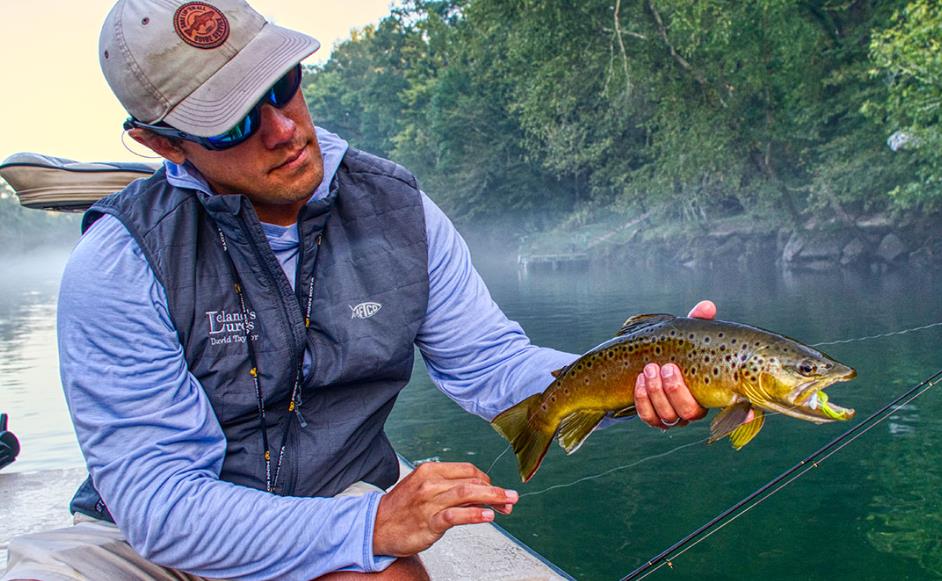
Hey guys, Tom here. If I had a dollar for every time one of you texted me at 6 a.m. asking, “What bait should I use for trout this weekend?” or “Is it too late to fish the creek by the cabin?” I’d be able to buy a lifetime supply of PowerBait (and maybe a nicer cooler). Let’s cut to the chase: trout fishing isn’t rocket science, but it is about respect—for the fish, the water, and the little details that separate a skunked trip from a cooler full of rainbow, brown, or brook trout. I’ve been chasing these silver-sided ghosts across Michigan’s streams, California’s mountain lakes, and Nevada’s rivers for over 20 years, and I’m here to share what actually works—not the hype you read on random blogs. This is Trout Fishing 101, straight from a guy who’s lost more lures than most of you have cast lines, and learned every lesson the hard way.
First Things First: The Best Baits (Live, Artificial, and My Secret Weapon)
Let’s start with the question I get most: “What’s the best bait for trout?” The short answer? It depends. But let’s break it down into live bait, artificial lures, and the one trick I swear by—because trout are finicky, and what works on a sunny afternoon in a lake won’t work on a cloudy morning in a stream. I’ve tested every bait under the sun, from nightcrawlers to fancy flies, and here’s the truth:
Live Bait: Keep It Simple, Keep It Fresh
Trout are predators, but they’re also cautious. Live bait works because it mimics exactly what they’re eating naturally—no fancy gadgets required. Here’s my go-to live bait lineup, with personal notes you won’t find in a tackle shop:
- Nightcrawlers: The universal trout bait, but here’s how I use ’em differently. I don’t use a whole worm—too big, and it spooks smaller trout. I cut ’em into 1-2 inch pieces, hook ’em through the middle so they wiggle freely, and use a tiny split shot 6 inches above the hook. Pro tip: Keep ’em in a cooler with damp newspaper, not just a bait cup. I once forgot my cooler on a trip to Oregon’s coastal streams, and my worms turned mushy by 9 a.m.—zero bites. Fresh worms = active trout. Also, avoid chumming with them on designated trout streams—most states (including Michigan) ban chumming on type 1-4 streams, and it’s just bad etiquette anyway.
- Salmon Eggs: Perfect for colder water (below 55°F), when trout’s metabolism slows and they’re looking for easy meals. I use cured salmon eggs (not fresh—they fall off the hook too easy) in bright orange or pink. My trick? Thread 2-3 eggs onto a size 12 hook, no weight needed if you’re fishing a slow-moving stream—let ’em drift naturally with the current. Last fall, I fished a small creek in California’s Sierra Nevada with these, and I caught 8 brown trout in an hour—all because the eggs matched the salmon spawn that was happening upstream. Trout can’t resist ’em when they’re in the mood for protein.
- Minnows: For bigger trout—think 16+ inches. I use small fathead minnows (2-3 inches), hooked through the lip so they swim freely. This is my go-to for lake trout in Nevada’s Lahontan Reservoir, where the big boys hang out in deeper water. But here’s the catch: don’t use minnows in streams with heavy current—they’ll get tossed around and look unnatural. Stick to lakes or slow pools in rivers, and use a slip sinker so the minnow can swim without dragging the weight.
Artificial Lures: Versatile, Reusable, and Perfect for Active Trout
Live bait is great, but artificial lures let you cover more water and adjust quickly—critical when trout are on the move. I’ve got a tackle box full of duds, but these three lures have never let me down:
- Spinners (Mepps Aglia or Panther Martin): The workhorse of trout lures. I use a size 1 or 2 spinner (smaller for streams, bigger for lakes) in silver or gold—silver for clear water, gold for cloudy or low-light conditions. The key is the retrieve: slow and steady, with occasional pauses. I once fished a fast-moving stream in Michigan with a silver spinner, retrieving it so slow it barely moved—and a 14-inch rainbow trout slammed it like it was a meal it couldn’t miss. Spinners work because the spinning blade mimics the flash of a baitfish, triggering the trout’s predatory instinct even when they’re not actively feeding.
- Soft Plastic Grubs: I’m obsessed with these—they’re cheap, durable, and mimic everything from insect larvae to small baitfish. I use a 2-inch white or chartreuse grub on a size 10 jig head, and I fish it along the bottom of lakes or streams. My trick? Twitch the rod tip every 2-3 seconds to make the grub look like it’s crawling. Last spring, I fished a lake in Oregon right after ice-off, and the trout were feeding on small insect larvae—these grubs worked better than live bait because I could cast them into tight spots where the trout were hiding. Pro tip: If the water is clear, use natural colors; if it’s murky, go for bold, high-contrast colors to help the trout see it.
- Dry Flies (Elk Hair Caddis or Adams): For the purists—and for when trout are feeding on the surface. I’ll be honest: fly fishing takes practice, but once you get the hang of it, it’s the most rewarding way to catch trout. I use dry flies in the morning or evening, when insects are hatching (caddisflies, mayflies, midges—pay attention to what’s floating on the water!). My biggest mistake early on? Casting too hard. Trout are skittish—you need a soft cast that lands the fly gently on the water, like it’s a real insect. Last summer, I spent an hour watching a group of trout sipping insects off the surface of a mountain stream in California—switched to an Elk Hair Caddis, made a soft cast, and hooked a 12-inch brook trout on the first try. It’s all about matching the hatch and being gentle.
My Secret Weapon: PowerBait (Yes, Really)
I know, I know—PowerBait is for “beginners,” but hear me out. I’ve caught more trout on PowerBait than any other bait, especially in stocked lakes. My go-to flavor is garlic-scented rainbow (trout love garlic—don’t ask me why), and I roll it into a small ball (about the size of a pea) on a size 12 hook. The key is to use a slip bobber so the bait hangs 1-2 feet off the bottom—trout feed up, so you don’t want it sitting directly on the mud. I use this trick in Michigan’s stocked lakes during the spring, and it’s foolproof. Last April, I took my nephew fishing, and he caught his first trout (a 10-inch rainbow) within 10 minutes using this setup. Don’t knock it till you try it—sometimes the simplest baits are the best.
Seasons: When to Fish Trout (And When to Stay Home)
Another big question: “When’s the best time to fish for trout?” The answer depends on where you’re fishing (streams vs. lakes) and the season, but here’s my 20-year breakdown—no fluff, just facts. Trout are cold-water fish, so water temperature is everything. I always carry a thermometer—if the water gets above 66°F (18°C), I pack it up. Trout get stressed in warm water, and it’s not worth it—plus, you’re more likely to catch warm-water species like bass anyway.
Spring (March–May): The Best Time to Fish (Hands Down)
Spring is trout season’s sweet spot. The snow is melting, water levels are up, and trout are hungry after a long winter. Here’s what you need to know:
- Streams: Early spring (March–April) is perfect for stream trout—rainbow and brown trout are moving upstream to spawn, and they’re feeding aggressively. I fish the edges of streams, near rocks or logs, where trout hide from the current. Use small spinners or salmon eggs—they’re easy for trout to grab in fast water. Last March, I fished a small stream in Michigan, and the water was high and cold (45°F)—I used a small salmon egg setup, and caught 10 trout in 2 hours. Pro tip: Fish early in the morning or late afternoon—trout are more active when the sun isn’t directly overhead.
- Lakes: By May, lake ice is gone, and trout are moving to shallow water (10-15 feet deep) to feed on insects and small baitfish. Use PowerBait or soft plastic grubs—they work great in still water. I fish lakes in Oregon during May, and I always target the areas near inlet streams—cold water flows in, and trout gather there to feed. Also, most states start stocking lakes in spring, so you’re almost guaranteed to catch something if you’re in the right spot.
Summer (June–August): Fish Smart, Not Hard
Summer is tricky—water gets warm, and trout move to deeper, cooler water. But you can still catch them if you know where to look:
- Streams: Fish in the morning (before 9 a.m.) or evening (after 6 p.m.)—the water is cooler, and trout are more active. Stick to shaded areas, deep pools, or fast-moving riffles (oxygenated water is key). I use dry flies in the morning, when insects are hatching, and switch to nymphs in the afternoon (trout move to deeper water when it’s hot). Last July, I fished a stream in California’s Sierra Nevada—we got there at 6 a.m., fished dry flies for 2 hours, and caught 7 trout. By 10 a.m., the water was too warm, and the bites stopped. Trust me—don’t waste your time fishing midday in summer.
- Lakes: Trout move to deeper water (20-30 feet) in summer, so you need a depth finder (or just experiment with different depths). Use a slip sinker with PowerBait or a spinner, and fish near underwater structures (rocks, logs, drop-offs). I fish Nevada’s Lake Tahoe in summer, and I always target the areas near dams—water is cooler there, and trout gather to feed. Also, look for areas with underwater springs—cold water brings in baitfish, and trout follow.
Fall (September–November): The Underrated Season
Fall is my favorite time to fish trout—fewer crowds, cooler water, and trout are fattening up for winter. Here’s how to crush it:
- Streams: Brown trout spawn in fall (September–October), so they’re aggressive and territorial. Use spinners or streamers—they mimic small baitfish, and brown trout will attack them to protect their spawning beds. I fish a stream in California’s Bridgeport Reservoir area in October, and I’ve caught some of my biggest brown trout there (up to 18 inches). Pro tip: Fish in the afternoon—water is warmer, and trout are more active. Also, be careful not to step on spawning beds—leave the area if you see redds (gravel nests) in the stream.
- Lakes: Trout move back to shallow water (10-15 feet) in fall, as water temperatures cool down. Use live minnows or spinners—they’re perfect for targeting fat, hungry trout. I fish Michigan’s lakes in November, and I often catch trout while they’re feeding on small baitfish near the shore. Last November, I caught a 16-inch rainbow trout using a minnow setup—It was the last fish of the season, and it made the cold morning worth it. Also, remember the daily limits—most states allow 5 trout per day, with a possession limit of 10, so don’t keep more than you need.
Winter (December–February): For the Diehards
Winter trout fishing is tough, but it’s possible—if you’re willing to bundle up. Trout slow down in cold water (below 40°F), but they still feed. I stick to lakes with open water (or ice fish if it’s safe). Use small baits—salmon eggs or tiny PowerBait balls—and fish slow. I ice fish in Michigan’s lakes in January, and I use a small jig with a wax worm—trout don’t move much, so you need to be patient. Pro tip: Fish in 5-10 feet of water, near the shore—trout gather there to stay warm. Also, check ice thickness before you walk on it—at least 4 inches of solid ice is safe. I once fell through thin ice (don’t worry, I was fine) because I didn’t check—learn from my mistake.
Techniques: The Little Things That Make All the Difference
You can have the best bait and fish at the right time, but if you’re using the wrong technique, you’ll go home empty-handed. These are the techniques I’ve perfected over 20 years—they’re simple, but they work. Remember: trout are skittish, so stealth is key. Move quietly, avoid making big splashes, and if it’s sunny, stand with your back to the sun so you don’t cast a shadow on the water. Just because you can’t see them doesn’t mean they can’t see you.
1. Drift Fishing (For Streams)
Drift fishing is the most effective technique for streams—it lets your bait flow naturally with the current, mimicking real food. Here’s how to do it:
- Use a small split shot 6-12 inches above your hook (adjust based on current speed—heavier shot for fast water, lighter for slow water).
- Cast upstream, and let the bait drift downstream with the current. Keep your line tight, but don’t pull the bait—let it move naturally.
- Watch your line closely—trout bites are subtle. If the line goes slack or pulls to the side, set the hook (firmly, but not too hard—trout have soft mouths).
- My trick: Fish the “seams” of the stream—where fast water meets slow water. Trout hide here to wait for food to drift by. I’ve caught more trout in these spots than anywhere else. Last spring, I fished a seam in a Michigan stream, and every cast brought a bite—total of 12 trout in an hour.
2. Still Fishing (For Lakes)
Still fishing is simple, but it’s all about patience. Here’s how to do it right:
- Use a slip bobber to set the depth (1-2 feet off the bottom for PowerBait, 3-4 feet for minnows).
- Cast to a spot near structure (rocks, logs, drop-offs) and wait. Don’t reel in too often—give the trout time to find the bait.
- If you don’t get a bite in 15-20 minutes, move to a new spot. Trout are mobile, so you need to cover water.
- Pro tip: Use a light rod (4-6 weight) and light line (4-8 lb test monofilament or fluorocarbon)—trout have sharp eyes, and heavy line will spook them. I use 6 lb fluorocarbon line for lakes—it’s nearly invisible in water, and it’s strong enough to land big trout. Also, wet your hands before handling trout, and use a rubberized net to protect them if you’re releasing them.
3. Casting and Retrieving (For Both Streams and Lakes)
This technique is great for covering lots of water, especially if you’re using artificial lures. Here’s my method:
- Cast across the stream or lake (not directly upstream/downstream—you’ll cover more area).
- Retrieve the lure slowly, with occasional pauses. For spinners, a steady retrieve works, but for soft plastics, twitch the rod tip to make the lure look alive.
- Pay attention to the water—if you see a trout jump or splash, cast near that spot. Trout are territorial, so they’ll often stay in the same area.
- My biggest mistake early on: Retrieving too fast. Trout can’t keep up with a fast-moving lure, especially in cold water. Slow down—you’ll get more bites. I once fished a lake in Oregon with a spinner, retrieving it so fast I thought it would fly out of the water—zero bites. Slowed down, and caught 5 trout in 30 minutes.
Final Thoughts: Respect the Fish, Respect the Water
Guys, trout fishing isn’t about catching the most fish—it’s about the experience. I’ve had days where I caught 20 trout, and days where I caught 1, but every trip is worth it. Here’s my final advice, from one fishing佬 to another:
- Keep only what you’ll eat. Trout taste best fresh, and releasing the rest ensures there are fish for future trips. If you do keep them, make sure they’re within the size limit—most states require rainbow trout to be at least 8 inches, brook trout 7 inches.
- Don’t litter. Pack out what you pack in—trash ruins the water, and it’s disrespectful to other anglers.
- Be patient. Trout are wily, and they won’t always bite. I’ve sat on a stream for 3 hours without a bite, only to catch a monster trout right before I leave. Don’t give up.
- Learn from your mistakes. I’ve lost lures, broken lines, and spooked trout—every mistake taught me something. The best anglers aren’t the ones who never fail; they’re the ones who keep trying.
Now, go grab your rod, pack your bait, and hit the water. If you follow these tips, you’ll be catching trout like a pro in no time. And if you get stuck, text me—I’ll be out there too, chasing those wily fish. Tight lines, guys.
— Tom, Your Go-To Trout Guy