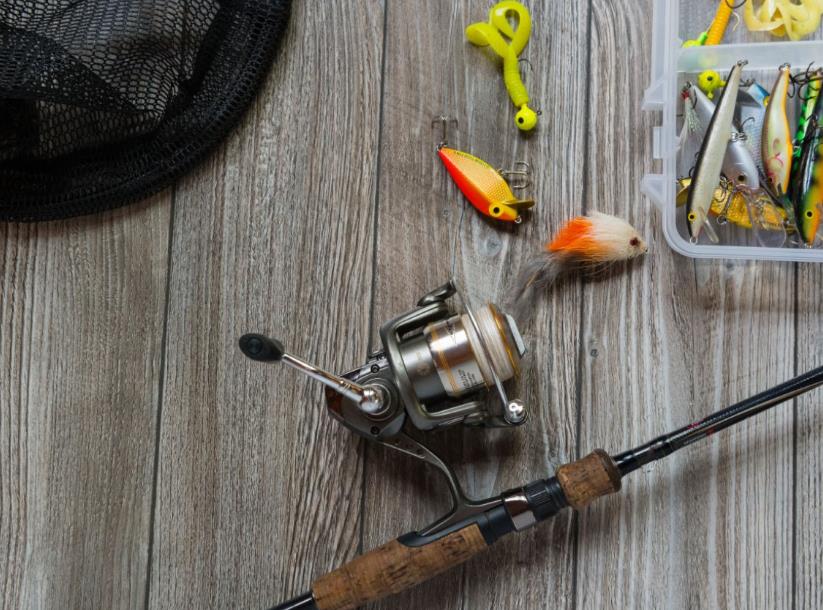
Hey guys, Tom here. If you’re reading this, you’ve probably pestered me one too many times about “what gear I need to start fishing” – and I get it. When I first picked up a rod 25 years ago, I walked into a tackle shop like a kid in a candy store, dropped $200 on the shiniest combo I could find, and spent my first three trips untangling line, losing hooks, and wondering why I wasn’t catching anything. Spoiler: It wasn’t the fish’s fault. It was the junk gear I bought, and the fact that no one told me what’s actually essential (vs. what’s just hype).
Today, I’m breaking down the EXACT gear checklist you need as a beginner – no fluff, no overpriced gadgets, just the stuff that’s gotten me (and countless new anglers I’ve mentored) hooked (pun intended) on this hobby. I’ll throw in my own horror stories and hard-learned tips along the way, so you don’t make the same mistakes I did. Let’s dive in.
1. The Rod & Reel Combo: Don’t Overcomplicate It (I Did)
This is the foundation of your setup – and the biggest mistake beginners make is either buying the cheapest piece of junk or dropping $500 on a “pro-level” combo that’s way too advanced. Let me be clear: You don’t need a fancy rod to catch fish. You need one that’s durable, easy to handle, and matched to the type of fishing you’ll do (most of us start with freshwater lakes/ponds or light saltwater, so stick to that).
My first combo? A flashy $150 baitcaster that I couldn’t cast to save my life. I spent more time picking line out of the reel (called a “bird’s nest”) than actually fishing. After two weeks of frustration, I returned it and bought a simple spinning combo – and everything changed. Spinning reels are beginner-friendly, forgiving, and work for 90% of the fishing a newbie will do.
What to look for (from someone who’s tested dozens):
- Rod Length & Power: 6’6” to 7’ medium-power spinning rod. This is versatile – long enough to cast far, flexible enough to feel bites (critical for beginners), and strong enough to handle small to medium fish (bass, trout, panfish, even small redfish). I use an Ugly Stik GX2 spinning combo ($59.95) for beginners – it’s practically indestructible (I’ve dropped it in the lake, stepped on it, and it still works) and pre-spooled with 8lb test line, so you don’t have to mess with threading line yourself.
- Reel Features: Look for a 4+ bearing system (smoother retrieval), anti-reverse switch (prevents the reel from spinning backward when a fish pulls), and a comfortable grip (EVA foam or cork – my hands get sweaty, so foam is my go-to). Avoid cheap reels with plastic gears – they’ll break after a few trips. The Shakespeare Tiger spinning combo ($44.99) is another solid budget pick if you’re looking to save a few bucks.
Pro Tip (from experience): If you’re unsure, ask the guy at the tackle shop what combo he recommends for beginners in your area. Don’t be embarrassed – we’ve all been there. I once asked a guy to show me how to thread line on my reel, and he ended up being my fishing buddy for 10 years.
2. Fishing Line: The “Invisible” Gear That Makes or Breaks Your Trip
Most beginners overlook line – they buy whatever comes with the combo, or grab the cheapest spool on the shelf. Big mistake. Line is the only connection between you and the fish – if it’s too weak, too stiff, or tangled, you’ll lose every bite.
My first line? A cheap monofilament that snapped every time a fish tugged. I thought I was just bad at fishing, until my buddy handed me a spool of quality 8lb mono – and I caught my first bass 10 minutes later. Here’s the breakdown:
- Monofilament (Mono) Line: This is your best bet as a beginner. It’s forgiving (has some stretch to absorb shock from aggressive bites), easy to tie knots with, and affordable. Stick to 6-10lb test for freshwater – 8lb is my sweet spot. Avoid braided line at first – it’s slippery, has no stretch, and is frustrating to handle when you’re learning to cast.
- Line Maintenance: Rinse your line with fresh water after every trip (especially if you’re fishing saltwater) to prevent corrosion. Check for nicks or frays before each use – a damaged line will snap when you least expect it. I once lost a 3lb bass because I didn’t notice a tiny nick in my line – still kicks myself for that.
3. Terminal Tackle: Hooks, Sinkers, and Swivels – Keep It Simple
Terminal tackle is the stuff that connects your line to your bait/lure – hooks, sinkers, swivels, bobbers. You don’t need a tackle box full of every size and shape – just a few basics to cover most situations. I’ve seen beginners with tackle boxes so full, they spend 10 minutes digging for a hook while the fish swim away.
Here’s what you actually need (I still use this setup 25 years later):
- Hooks: Two styles – Aberdeen and bait holder hooks. Aberdeen hooks have a long shank, making them easy to bait (perfect for worms) and remove from fish. Bait holder hooks have small barbs on the shank to keep bait from sliding off. Sizes 6 to 1/0 are ideal – remember, hook sizing is backward: the bigger the number, the smaller the hook. I keep a handful of size 6 (for small panfish) and 1/0 (for bass/trout) in my tackle box.
- Sinkers: Split shot weights (sizes BB, 3/0, 7) are perfect for fine-tuning your bait’s depth – they’re easy to add or remove, so you can adjust for different water depths. I also keep a few 1/8oz bullet weights for Texas rigging (great for fishing around weeds). Avoid heavy sinkers – they’ll weigh down your bait and make it hard to feel bites.
- Swivels: Barrel swivels (size 10-12) prevent your line from twisting – a common problem when using lures or live bait. I attach a swivel to the end of my main line, then a 12-18 inch leader (more on that next) to the swivel. This keeps my line from getting tangled and makes it easy to change hooks/lures without retying the entire line.
- Bobbers (Floats): Fixed bobbers (1-2 inches, high-visibility orange/white) are great for beginners – they let you see when a fish bites (the bobber dips under water). I keep 2 small, 2 medium, and 2 large bobbers – small for shallow water, large for deeper water or windier days.
Pro Tip: Don’t buy cheap hooks – they’ll bend or break when you hook a fish. I once bought a pack of $2 hooks, and every time I caught a bass, the hook bent. Spend an extra $3 on a quality pack – trust me, it’s worth it.
4. Leader Line: The Secret to Catching More Fish (I Learned This the Hard Way)
A leader is a short piece of line (12-18 inches) attached to your main line via a swivel – and it’s one of the most underrated pieces of gear for beginners. Why? Fish have good eyes – if they see your thick main line, they’ll avoid your bait. A leader is thinner, less visible, and also protects your main line from getting cut by rocks, weeds, or a fish’s sharp teeth.
My mistake: I fished without a leader for my first year, and I wondered why I was getting so many “nibbles” but no catches. Once I started using a 12-inch fluorocarbon leader (6lb test for freshwater), I caught 3 fish in my first hour. Fluorocarbon is nearly invisible underwater – perfect for spooky fish like trout. For beginners, 6-8lb fluorocarbon leader is ideal.
5. Bait & Lures: Start Simple – Live Bait Wins Every Time
You don’t need a tackle box full of fancy lures to catch fish – live bait is the easiest way for beginners to get results. I’ve seen beginners spend $100 on lures, only to catch nothing because they don’t know how to use them. Start with live bait, then experiment with lures once you’re comfortable.
My go-to live bait (works for almost every freshwater fish):
- Nightcrawlers (Worms): Cheap, easy to find (grab them at the tackle shop or dig them in your backyard), and fish love them. Thread a worm onto your hook (cover the entire hook to hide it), add a small split shot sinker 6 inches above the hook, and cast near weeds or structure (fish hang out there).
- Minnows: Great for bigger fish like bass or trout. Hook a minnow through the lips (so it stays alive longer) and let it swim naturally – fish can’t resist a moving minnow.
If you want to try lures (they’re fun once you get the hang of it), start with spinners (like a Mepps Aglia) or jigs – they’re easy to cast and mimic small fish. Avoid topwater lures at first – they require precise timing, and beginners often miss bites.
6. Essential Tools: You’ll Regret Not Bringing These
These are the “small” items that beginners forget – until they’re stuck on the bank with a hook in their finger or a tangled line. I’ve been there, and it’s not fun. Here’s what you need to throw in your bag:
- Fishing Pliers: For removing hooks (especially from fish with sharp teeth), crimping sinkers, and cutting line. Get a pair with needle-nose tips – they’re more versatile. I’ve had the same pair of pliers for 10 years – I keep them in my pocket, and I use them every trip.
- Line Cutter: A small, sharp line cutter (or even nail clippers) to cut line quickly. Don’t use your teeth – you’ll damage your line (and your teeth).
- Tackle Box: A small, waterproof tackle box with compartments to organize your hooks, sinkers, and lures. I use a basic $10 box – it’s small enough to carry, but big enough for all the essentials. Look for one with a clear lid so you can find what you need quickly.
- Fishing License: This is NON-NEGOTIABLE. I once got a $150 fine for fishing without a license – not worth it. Check your state’s fish and wildlife website to buy a license online (it’s cheap, usually $20-$30 for a year). Most bait shops also sell them – no excuses.
7. Extras: Nice-to-Haves (But Not Essential – Yet)
Once you’re hooked (again, pun intended), you can add these extras. But don’t buy them first – focus on the essentials above:
- Landing Net: Useful for bigger fish (so you don’t drop them while lifting them out of the water). I didn’t get one until my third year, and I dropped a 5lb bass because of it – lesson learned.
- Fishing Hat & Sunglasses: Protects you from the sun – trust me, 8 hours on the bank without a hat is miserable. Polarized sunglasses help you see fish in the water (game-changer).
- Water Bottle & Snacks: Fishing can be long – don’t forget to stay hydrated. I always bring a water bottle and a granola bar – you don’t want to cut your trip short because you’re thirsty or hungry.
Final Thoughts: Don’t Overthink It
Guys, fishing is supposed to be fun – not stressful. You don’t need the fanciest gear to catch fish. I’ve caught more fish with a $50 combo and a worm than I ever did with my $200 “pro” setup. The key is to start simple, learn the basics, and adjust as you go.
My biggest piece of advice? Get out there. You’re going to tangle line, lose hooks, and miss bites – that’s part of the process. I still do it sometimes, and I’ve been fishing for 25 years. The more you fish, the better you’ll get – and the more you’ll appreciate the little things (like that first bass, or the quiet of the lake at sunrise).
If you have questions, hit me up. I’m happy to take you out on the water and show you the ropes – no judgment, just good company and hopefully some fish. Now go grab your gear, head to the bank, and make some memories. Tight lines, fellas.
– Tom, Your Local Fishing Guy Who’s Wasted Too Much Money on Junk Gear (But Learned From It)