
Choosing the right fishing rod in 2025 is no longer a simple matter of picking the longest or most expensive option on the rack. Modern rods incorporate advanced composite materials, lighter carbon blanks, improved guide systems, and increasingly specialized designs for specific fishing styles. At the same time, beginners face an overwhelming number of choices, while experienced anglers must decide whether the latest innovations are truly worth upgrading for.
This guide is designed to serve both groups. If you’re just getting started, you’ll learn how to avoid common mistakes and select a rod that offers versatility, durability, and value. If you’re an experienced angler, you’ll find in-depth recommendations for performance-driven upgrades suited for bass, trout, and saltwater fishing in 2025. Every section is written with real-world use in mind—shore fishing, boat fishing, kayaks, piers, rivers, and open water alike.
Rather than offering a simple top-ten list, this article explains how and why certain rods perform better, how modern manufacturing has changed rod behavior, and how budget, technique, and target species should shape your decision.
How Beginner and Experienced Anglers Differ in Rod Selection
One of the most common reasons new anglers feel frustrated is that they start with equipment better suited for experts. At the same time, experienced anglers often become limited by beginner-level rods that can’t match refined techniques. Understanding the difference is essential.
Beginners generally need a rod that forgives mistakes. These anglers benefit from moderate or moderate-fast action rods that bend deeper into the blank, providing smoother casting, reduced backlash risk, and better shock absorption when fighting fish. Durability matters more than extreme sensitivity, and a slightly heavier rod is often acceptable.
Experienced anglers, by contrast, usually demand fast or extra-fast actions, ultra-light blanks, and precise power ratings. Sensitivity becomes a top priority, as subtle lure feedback and soft bites can make the difference between landing and losing a fish. Handles, guides, and balance become as important as raw strength.
Budget expectations also differ. A first-time buyer typically stays under $100, while a seasoned angler may invest $200–$350 or more into a single specialized rod. Matching the rod to skill level prevents frustration and maximizes performance for every stage of the learning curve.
Key Fishing Rod Specifications Explained for 2025
Modern fishing rods are defined by a few critical specifications. Understanding these will allow you to evaluate any model objectively.
Rod Length
Shorter rods, between 5’6” and 6’, offer excellent accuracy and control for tight rivers, small boats, and kayak fishing. They excel when precise lure placement is more important than distance.
Mid-length rods from 6’6” to 7’ are the most versatile and remain the best choice for beginners and general freshwater fishing. These rods provide a balance between casting distance, control, and leverage when fighting fish.
Long rods exceeding 7’ are commonly used for surf fishing, long-distance casts from shore, or when working deep water with heavy lures. They generate maximum casting distance but require more control and experience.
Rod Action
Action describes where the rod bends under load. Slow-action rods flex deeply into the blank and are ideal for live bait, ultra-light fishing, and small hooks. Moderate action rods bend through the upper half and are popular for crankbaits and moving lures. Fast and extra-fast action rods bend mostly near the tip, offering high sensitivity and excellent hook-setting power, especially for jig and soft plastics.
Rod Power
Power refers to the rod’s resistance to bending. Ultra-light and light powers handle small trout, panfish, and finesse lures. Medium power is the most versatile category, suitable for bass, walleye, and general freshwater fishing. Medium-heavy and heavy rods target larger species, thick vegetation, or saltwater environments.
Materials and Blank Construction
In 2025, most quality rods use graphite (carbon fiber), fiberglass, or composite blends. Fiberglass offers durability and affordability but is heavier and less sensitive. Graphite is light and highly sensitive, with higher modulus graphite providing extreme responsiveness. Composite rods blend both to balance strength and feel.
Newer high-modulus carbon fiber manufacturing has reduced weight while increasing tensile strength, allowing mid-range rods to outperform premium models from just a few years ago.
Handle and Grip Design
Cork remains popular for comfort and classic feel, while EVA foam offers durability and water resistance. Split-grip designs reduce weight and improve balance, increasingly common on modern performance rods.
Spinning vs Baitcasting Rods: What 2025 Buyers Need to Know
Spinning rods remain the best choice for beginners. They are easy to cast, resist tangles, and handle light lures with minimal learning curve. Spinning setups excel at finesse fishing, trout streams, light bass work, and shoreline casting.
Baitcasting rods offer superior accuracy, greater power, and better control of heavier lures. However, they demand proper thumb control and tuning to avoid backlash. Experienced bass anglers, inshore saltwater anglers, and heavy-cover fishermen strongly prefer baitcasting setups for their performance advantages.
In 2025, modern braking systems have reduced baitcaster difficulty, but spinning rods remain the safest entry point for most beginners.
Best Fishing Rods for Beginners in 2025
A good beginner rod should be affordable, versatile, durable, and forgiving. The following models stand out across thousands of real-world user experiences.
Budget Picks Under $60
Ugly Stik GX2 Spinning Rod
The GX2 remains one of the most popular beginner rods in North America. Its fiberglass-graphite blank offers exceptional toughness and moderate sensitivity. It tolerates accidental impacts, high drag pressure, and poor handling. While it lacks the refined feel of higher-end rods, it consistently delivers reliability and value.
Shakespeare Micro Series Ultralight
Perfect for trout and panfish, this ultra-light rod excels with small spinners and soft baits. The graphite composite blank provides surprising sensitivity for its price range. It’s ideal for creeks, rivers, and bank fishing.
PLUSINNO Telescopic Travel Rod
For anglers who prioritize portability, telescopic rods have improved significantly in 2025. The PLUSINNO model provides decent casting performance while collapsing small enough to fit into backpacks and car trunks. Sensitivity is modest, but convenience is unmatched for travel.
Mid-Range Beginner Rods ($70–$120)
Fenwick Eagle Spinning Rod
This rod offers one of the best balances of price, sensitivity, and build quality in the mid-range market. The graphite blank delivers crisp feedback, making bass and walleye fishing more intuitive for new anglers.
St. Croix Triumph Series
Manufactured with premium SCII graphite, the Triumph series offers impressive sensitivity and durability at a beginner-friendly price. It’s an excellent platform for anglers who want a rod they won’t quickly outgrow.
Lew’s Carbon Fire Rod
Known for its lightweight construction and comfortable grip, the Carbon Fire performs especially well for learning soft plastics and jigs. It provides a surprisingly refined feel compared to lower-priced options.
Best Fishing Rods for Experienced Anglers in 2025
Experienced anglers often specialize by species and technique. The following rods are standout choices for advanced performance.
Premium Bass Fishing Rods
St. Croix Mojo Bass (2025 Revision)
The updated Mojo Bass series incorporates higher-modulus graphite and improved guide spacing for greater balance and reduced fatigue. These rods are versatile across crankbaits, jigs, and spinnerbaits.
Dobyns Fury Series
Renowned for perfect balance, Dobyns rods reduce wrist fatigue during long bass sessions. The Fury series remains one of the most respected mid-premium options for tournament anglers.
G. Loomis GCX Series
Superior sensitivity, precision casting, and excellent blank recovery define this series. These rods target serious bass anglers who demand responsiveness on every cast.
Saltwater and Inshore Rods
Shimano Teramar NE
Designed for inshore saltwater environments, the Teramar NE handles redfish, snook, and striped bass with ease. It blends corrosion resistance with lightweight performance.
Daiwa Coastal Series
Built specifically for salt exposure, these rods feature reinforced guides and durable blanks optimized for braided lines and aggressive fish.
Travel and Multi-Piece Performance Rods
St. Croix Premier Travel Rods
Travel rods no longer sacrifice performance. These four-piece rods maintain impressive sensitivity while breaking down compactly for airline transport.
Freshwater vs Saltwater Rod Considerations
Freshwater rods prioritize sensitivity, lightweight blanks, and finesse presentation. Saltwater rods must resist corrosion, endure stronger fish, and manage heavier lures. Using a freshwater rod in saltwater may cause guide corrosion and blank degradation over time, even with careful rinsing.
Many 2025 inshore rods blur this line with sealed guides and composite materials, but anglers should always match their rod to the environment whenever possible.
Best Rod Setups by Fishing Location
Lakes and reservoirs favor medium-power rods with moderate-fast actions for bank fishing and boat casting. Rivers and streams benefit from shorter rods for precise control. Inshore saltwater piers require longer rods with higher power to manage strong currents and large species. Kayak anglers should prioritize compact lengths and moderate actions to accommodate tight spaces.
Common Beginner Mistakes When Buying Fishing Rods
One of the most frequent errors is choosing a rod solely based on length without understanding action and power. Another mistake is over-spending on a premium rod before mastering basic casting technique. Many beginners also mismatch rod power with lure weight, leading to poor hook sets and missed strikes.
Using freshwater rods in corrosive saltwater environments is another costly mistake. Finally, many anglers buy multiple specialized rods too early instead of mastering one versatile setup.
2025 Trends in Fishing Rod Technology
Modern rods in 2025 increasingly emphasize weight reduction without sacrificing power. Seamless joint construction has improved multi-piece rod performance. Anti-twist guides reduce line management issues, particularly with braided lines. High-density carbon fibers have improved shock resistance, helping rods survive high drag pressures without structural fatigue.
Sustainability has also entered the industry, with manufacturers exploring recycled carbon blends and eco-friendly production methods.
How Much Should You Spend on Your First or Next Fishing Rod?
For beginners, a $50–$100 rod paired with a reliable reel is more than sufficient to learn technique and target most freshwater species. As skills develop, upgrading to a $120–$200 rod brings noticeable improvements in sensitivity, casting distance, and fatigue reduction. Price beyond $300 yields diminishing returns for most recreational anglers unless fishing competitively.
Choosing the Right Rod for Bass, Trout, and General Species
Bass anglers benefit most from medium-heavy fast-action rods that can work jigs, plastics, and spinnerbaits. Trout and panfish anglers prefer ultra-light fast-action rods for finesse presentations. All-purpose fishermen should select a medium-power fast-action spinning rod for maximum versatility.
Building a Versatile Two-Rod System
Instead of owning many specialized rods, many anglers in 2025 choose a streamlined two-rod system: one medium fast-action spinning rod for finesse and one medium-heavy baitcasting rod for power techniques. This combination covers nearly all freshwater and light inshore applications.
Maintenance and Longevity Tips
Rinse rods after saltwater use. Keep storage horizontal or supported at multiple points. Avoid high heat exposure inside vehicles. Inspect guide inserts regularly for cracks that can damage fishing line. Proper maintenance can extend the life of a quality rod well beyond a decade.
Final Recommendations for 2025
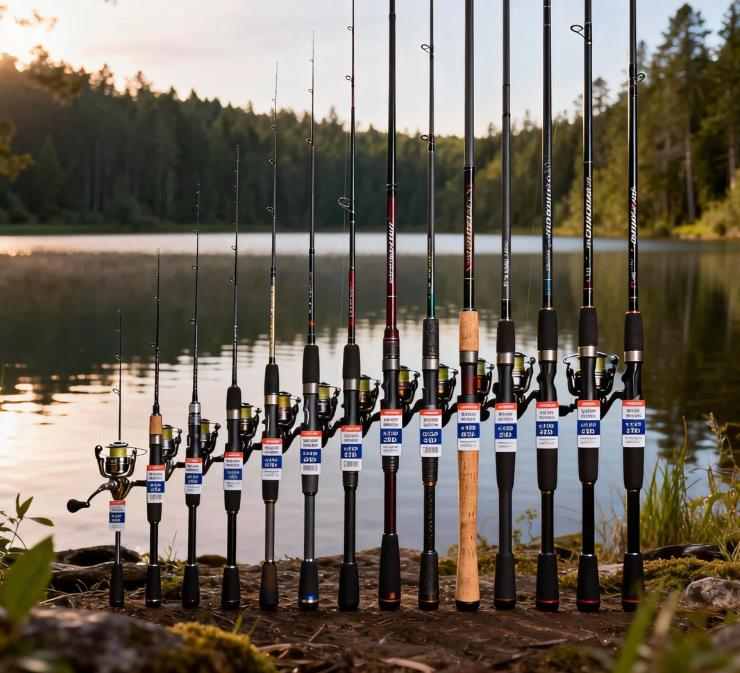
For beginners, the Ugly Stik GX2 or Fenwick Eagle remains the safest entry point. For advancing anglers, the St. Croix Triumph provides an excellent upgrade path. Experienced bass anglers should strongly consider Dobyns, St. Croix Mojo Bass, or G. Loomis GCX depending on budget.
No single rod is perfect for all anglers. The best fishing rod in 2025 is the one that fits your technique, target species, and fishing environment while matching your experience level and budget.
Frequently Asked Questions
Is a longer rod always better?
No. Longer rods cast farther but sacrifice control. Accuracy often matters more than raw distance.
Can one rod work for both saltwater and freshwater?
Only if it uses corrosion-resistant components. Dedicated rods always perform better.
Should beginners start with baitcasting?
Spinning rods are easier to learn. Baitcasting is best introduced after basic casting skills are developed.
Do expensive rods really make a difference?
Beyond the $150–$200 range, improvements become more subtle and technique-dependent.
The fishing rod market in 2025 offers more choices and better performance than ever before. Beginners benefit from durable, forgiving designs that encourage learning without frustration. Experienced anglers enjoy unprecedented sensitivity, balance, and specialization. Whether you’re casting for your first panfish or fine-tuning your bass setup for tournament competition, selecting the right rod will directly shape your success and enjoyment on the water.
If you choose based on fishing style, environment, and real performance rather than marketing hype, your rod will become a trusted tool rather than just another piece of equipment.