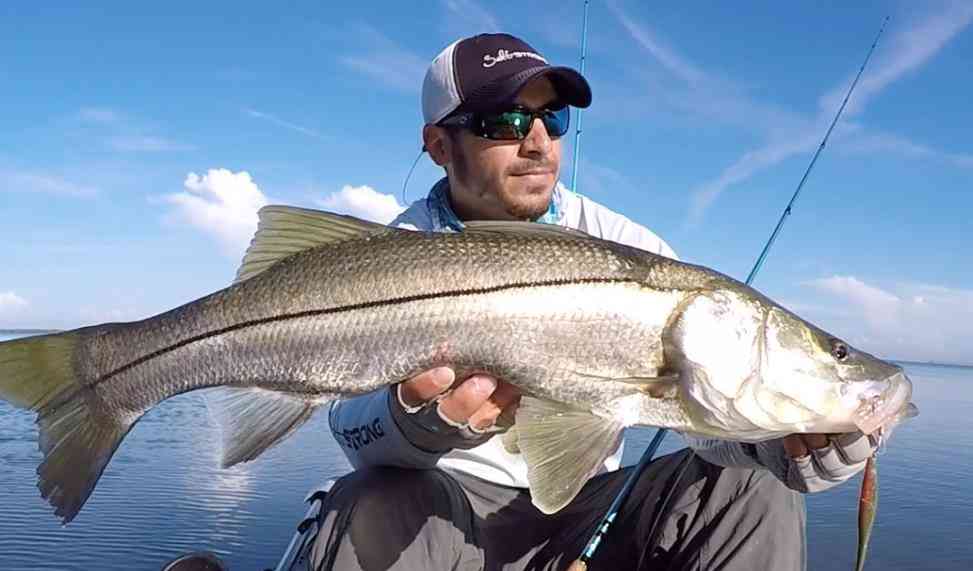
Saltwater anglers across the United States, especially along the Gulf Coast and throughout Florida, often place redfish and snook at the top of their target list. Both species offer a perfect combination of power, challenge, visual excitement, and accessibility. They can be found close to shore, deep in mangrove jungles, along windswept beaches, under shadowed docks, and across endless grass flats that change with the tide. Although they share some coastal habitats, redfish and snook behave very differently, and the strategies that consistently catch them require a good understanding of tides, seasons, lure presentations, water clarity, structure, and feeding patterns.
This article explores the most effective tactics for catching redfish and snook in various environments along the American coastline. Whether you fish from a flats boat, kayak, paddleboard, or wade through ankle-deep water at sunrise, the following strategies will help you put more fish in the net and understand how these species behave in the complex saltwater ecosystem they call home.
Understanding the Redfish Mindset
Redfish, also known as red drum, are among the most reliable shallow-water gamefish in North America. They can be extremely spooky in ultra-clear water, yet in off-colored or wind-stirred water they become bold and aggressive feeders. Their habitat preferences shift with the tides, and their feeding opportunities are shaped by how baitfish and crustaceans move across the flats.
One of the most recognizable redfish behaviors is tailing. When redfish feed head-down on crabs and shrimp, their copper tails often break the surface, creating some of the most thrilling sight-fishing moments in saltwater angling. This behavior is most common on shallow grass flats during low tides, especially in late summer and fall when the fish are actively bulking up.
Redfish are also opportunistic feeders. They thrive around oyster bars, muddy shorelines, pockets between grass patches, and transitional areas where deeper channels meet flats. They will eat crustaceans, mullet, pinfish, and virtually anything they can corner. This adaptability makes them ideal for anglers who enjoy experimenting with different lures and presentations.
Understanding the Snook Mindset
Snook, by contrast, are ambush predators built for explosive bursts. They live around structure: mangroves, docks, jetties, bridges, sea walls, sandy cuts, and any kind of shaded area where baitfish funnel through. Their behavior is heavily influenced by water temperature, which explains why they often concentrate around warm-water outflows during winter and push deep into estuaries during spring and early summer.
Snook are incredibly reactive to sudden movement. They strike with a speed that sometimes feels like a freshwater smallmouth bass combined with a barracuda. Their keen eyesight makes them more cautious than redfish in clear water, requiring longer leaders, quieter approaches, and more natural presentations.
While redfish can be caught consistently year-round in many regions, snook have more dramatic seasonal shifts. They feed actively in warm water, become lethargic when temperatures drop, and go through transitions tied closely to spawning cycles. Successful anglers learn to think like a snook: stay near structure, stay near shade, ambush fast-moving bait, and strike when the tide pushes food into predictable lanes.
Choosing the Right Location for Each Species
One of the first steps toward crafting a successful strategy is selecting the right environment for each fish. Although redfish and snook coexist in many regions, they rarely feed the same way in the same place at the same time.
Redfish prefer expansive flats, muddy backwaters, marsh creeks, oyster bars, and shallow grassy bays. They use rising tides to move into feeding zones and falling tides to exit them. When the sun is high and the water is clear, they often push deeper into channels or shadowed edges. In areas such as the Louisiana marsh or the Indian River Lagoon in Florida, large schools can move over large distances depending on weather patterns and bait availability.
Snook, on the other hand, are nearly always tied to structure. This includes mangrove roots, channels lined with limestone, submerged pilings, or beach troughs during summer. On the Atlantic side of Florida, they are frequently found under docks with strong current flow. In the Gulf region, they move along beaches and cuts when the weather warms, and during summer they gather around passes during spawning rituals. Night fishing is especially productive around bridges lit by artificial lights, where baitfish continuously gather.
Reading the Tides for Maximum Success
Tides are the most important environmental factor when targeting redfish and snook. They influence movement, feeding intensity, lure selection, and even water temperature.
For redfish, rising tides are ideal. As water pushes onto the flats, small baitfish and crustaceans become active and accessible. Redfish move in with the water and feed aggressively for short windows. Falling tides can also be productive because fish are forced toward channels and ambush points, creating predictable movement patterns that anglers can intercept.
Snook behavior is tied even more closely to tidal flow. Fast-moving tides around structure create perfect ambush opportunities. Snook position themselves facing into the current and wait for bait to come to them. A tide that is too slow reduces feeding because there is no funneling effect, and a tide that is too fast makes it difficult for snook to conserve energy. The best windows are often the hours just before and after peak tidal change.
Understanding tide cycles becomes even more important in clear, shallow water. Fish will spook easily under calm conditions, so planning around the tide is not simply about feeding opportunities; it’s also about creating the right water depth and light conditions to mask your presence.
Seasonal Movement Patterns
Both species display seasonal migrations that strongly influence where and how to fish for them.
In spring, redfish begin feeding more aggressively as bait becomes abundant. Snook move into estuaries to recover from winter and feed in warm shallows. This is a great time for topwater lures, especially during early morning calm tides.
Summer offers the most consistent redfish action on shallow flats, along with schooling behavior in some regions. Snook move to beaches, inlets, and passes for spawning. Beach snook fishing becomes incredibly popular in Florida, with anglers walking sandy shorelines sight-casting to cruising fish.
Autumn is peak feeding season for redfish. They aggressively fatten up, form migratory schools in some regions, and respond well to both natural bait and artificial lures. Snook remain active until cold fronts push them back into deeper winter refuges.
Winter fishing for redfish can be excellent, especially on warm afternoons when fish gather in large groups in mud-bottomed bays that retain heat. Snook fishing becomes more challenging; they become sluggish and hold near warm-water discharges, deep channels, or dark bottom areas. Light tackle finesse presentations work best during this time.
Choosing the Right Gear
The gear setup for redfish and snook is quite similar, though there are differences depending on the target habitat and fish size.
A medium or medium-heavy spinning rod between seven and seven-and-a-half feet provides excellent casting distance and leverage. Pairing it with a 2500 to 4000 size spinning reel allows anglers to fish both light presentations and heavier lures around structure. Braided mainline between twenty and thirty pounds offers strength without sacrificing sensitivity, and it cuts through vegetation effectively.
Fluorocarbon leader between fifteen and thirty pounds is standard. Redfish can be caught on lighter leaders in open flats, but snook require stronger abrasion resistance due to their tendency to run into structure. In ultra-clear water, lengthening the leader to three or four feet can make a noticeable difference.
Natural Baits That Consistently Produce
Natural bait remains one of the most reliable ways to catch both species, especially for beginners or when fish are pressured by heavy boat traffic.
Live shrimp are universal. Redfish inhale them off the bottom, and snook strike them mid-water or near structure. Finger mullet are excellent for trophy fish, especially during fall mullet runs. Pinfish, threadfin herring, and small ladyfish are all productive baits, particularly when fished under a float or free-lined along mangrove edges.
Cut mullet is extremely effective for redfish, especially on muddy bottoms or near oyster bars. The scent draws fish from long distances, making it a great option during hot summer days when fish are less willing to chase lures.
Artificial Lures That Excel in Multiple Conditions
Artificial lures offer unmatched versatility and excitement. They allow anglers to cover more water and trigger reaction strikes that natural bait sometimes cannot.
Soft plastic paddle tails are the foundation of modern inshore fishing. They imitate a wide range of baitfish and can be retrieved at various speeds depending on depth and water clarity. Neutral colors work well in clear water, while loud or contrasting colors stand out in murky conditions.
Topwater plugs deliver exhilarating strikes, especially during low-light portions of the day. Snook are particularly aggressive on topwaters near docks, on calm mornings, or along the beach during summer. Redfish respond well when cruising shallow grass flats or feeding aggressively on a rising tide.
Suspending twitchbaits are ideal for clear water. They hover in the strike zone, allowing for slow, deliberate presentations that tempt cautious snook. They are equally effective for redfish on cooler days when fish move sluggishly.
Spoons remain a classic choice for redfish. Their flash and vibration allow fish to locate the lure even in stained water. They can be worked fast across large areas or fluttered near the bottom over grass patches.
Techniques That Convert Follows into Strikes
Presentation is everything. Even the most effective lure or bait won’t work without the right technique.
Sight fishing for redfish is one of the most rewarding strategies. This involves quietly polling or walking across shallow flats, spotting tailing or cruising fish, and casting ahead of their path. The key is subtlety: soft landings, natural movement, and patience while waiting for the fish to reach the lure.
Working mangrove shorelines for snook requires precision. Anglers skip soft plastics under branches or cast parallel to the structure, letting the lure travel through shaded lanes where fish wait to ambush passing prey. This is a game of accuracy, and getting a lure deep into the cover often results in immediate strikes.
Night fishing around bridges is one of the most productive snook techniques. Artificial lights attract baitfish and create shadow lines where snook ambush their prey. Casting upcurrent and allowing a lure or live bait to drift naturally through the shadow line is incredibly effective.
Slow rolling soft plastics across grass flats triggers both redfish and snook. Maintaining contact with the bottom while making subtle rod twitches imitates wounded baitfish, appealing to their instinctive feeding patterns.
Water Conditions and Weather Patterns
Water clarity affects redfish and snook differently. Redfish often feed aggressively in murky water because they rely heavily on vibration and scent. This makes dark-colored paddle tails, spoons, and scented soft plastics especially effective.
Snook, however, rely on vision. Clear water makes them cautious, and anglers need to downsize line, lengthen leaders, and use more realistic lures. Cloud cover can help immensely, creating lower light conditions that reduce their wariness.
Wind direction and strength influence bait movement. Onshore winds push baitfish closer to the beach, creating excellent opportunities for snook. Offshore winds calm the flats, which is beneficial for sight fishing redfish but can also make fish more skittish.
Cold fronts dramatically affect behavior. Redfish may stay active, but snook often shut down and seek deep refuge. Warm afternoons following cold mornings are prime for winter redfish action.
Ethical Handling and Conservation
Both species are subject to strict regulations, including size limits, slot limits, harvest restrictions, and seasonal closures. These rules protect spawning populations and maintain healthy ecosystems.
Catch and release has become widely embraced among inshore anglers. Using proper gear, minimizing air exposure, supporting the fish horizontally, and reviving it before release all contribute to survival. Circle hooks with live bait reduce deep hooking, especially important for snook.
Respecting the fish and the environment ensures that future generations can enjoy the same thrill of inshore fishing.
Final Thoughts
Pursuing redfish and snook is one of the most rewarding saltwater experiences available to coastal anglers. These species require skill, patience, and an understanding of the natural rhythms of tides, temperature, and bait movement. Learning where they feed, how they react to changing conditions, and how to present lures effectively transforms your time on the water from guesswork into a strategy-driven pursuit.
With the right gear, the right tide, and the right presentation, every cast holds the possibility of an explosive strike, a surging run, or the unmistakable flash of a snook turning in shallow water. Whether you fish the sandy beaches of Florida, the grass flats of Texas, or the tidal marshes of the Carolinas, the strategies outlined in this guide will help you connect with two of America’s most iconic inshore gamefish.