Fishing is often described as a blend of science, instinct, and art. No matter how advanced rods, reels, and electronics become, choosing the right lure or bait remains one of the biggest factors that determines whether an angler comes home with a cooler full of fish or a story about “the one that got away.” Across the United States and Europe—whether you’re chasing bass in Florida, zander in Germany, pike in the U.K., or trout in the Rockies—matching your presentation to the conditions is what separates consistent anglers from the rest.
This guide breaks down how experienced anglers choose their lures and baits based on water clarity, season, weather, forage, fish species, and behavioral patterns. Instead of listing tackle like a catalogue, it explains why certain lures work and when each category shines. By understanding the scenarios where each lure excels, you gain confidence on the water and eliminate guesswork. This is the ultimate, practical roadmap to selecting the right lure at the right moment—something every angler, beginner or advanced, can appreciate.
Understanding What Makes Fish Strike
Before getting into specific lure types, it helps to understand the triggers that make fish attack. Fish respond to a few universal cues:
Profile and silhouette
Predators key in on the shape and size of prey. A slender minnow profile works well when fish feed on shad, while a stubby crawfish imitation is more effective around rocks and bottoms.
Movement and vibration
Every lure produces a unique action: tight wobble, wide wobble, darting movement, subtle glide, or heavy thump. Wind, water temperature, and feeding pressure all influence which action works.
Sound and vibration signatures
Spinnerbait blades pulse. Rattle traps click aggressively. Jerkbaits create erratic vibration. Many soft plastics are nearly silent. Fish pick up these signals through their lateral lines.
Color and light reflection
Color matters most in clear water or bright light. In murky water, contrast and vibration become more important than exact color.
Speed and cadence
The tempo of a retrieve can change everything. Slow and subtle might be irresistible in cold water, while fast and aggressive retrieves trigger schooling fish in summer.
Once you understand these principles, lure choice becomes intuitive. Now let’s break down the major lure categories and explore when each one performs at its best.
Hard Baits: Lures Designed to Cover Water and Trigger Reaction Strikes
Hard baits are a favorite of American bass anglers and European predator anglers alike. They excel at covering water quickly and provoking reaction bites when fish are aggressive or roaming.
Crankbaits
Crankbaits mimic baitfish through wobbling action and sound. Lip size and shape determine how deep they dive.
Crankbaits shine when fish are feeding along hard structure such as rocks, riprap, or ledges. Sunny conditions often push fish tighter to cover, and the wobbling action of a crankbait deflecting off rocks can be irresistible. In stained or muddy water, bright colors like chartreuse, orange, or fire-tiger produce great results. In clear water, more natural shad or bluegill patterns work best.
They are also excellent in fall, when predators chase shad aggressively. Burning a crankbait through schools of bait can produce fast, violent strikes.
Jerkbaits
A jerkbait works through suspending, pausing, and darting movements. Few lures match a jerkbait’s ability to imitate a wounded baitfish.
Cold water and clear water are where jerkbaits dominate. Species like smallmouth bass, European perch, and trout respond extremely well to the flash and suspending action. During early spring or late fall, long pauses—sometimes up to ten seconds—can draw strikes that nothing else can trigger.
In windy conditions, the side-to-side movement becomes even more enticing, making jerkbaits a natural choice during breezy days when fish are hunting visually.
Topwater Lures
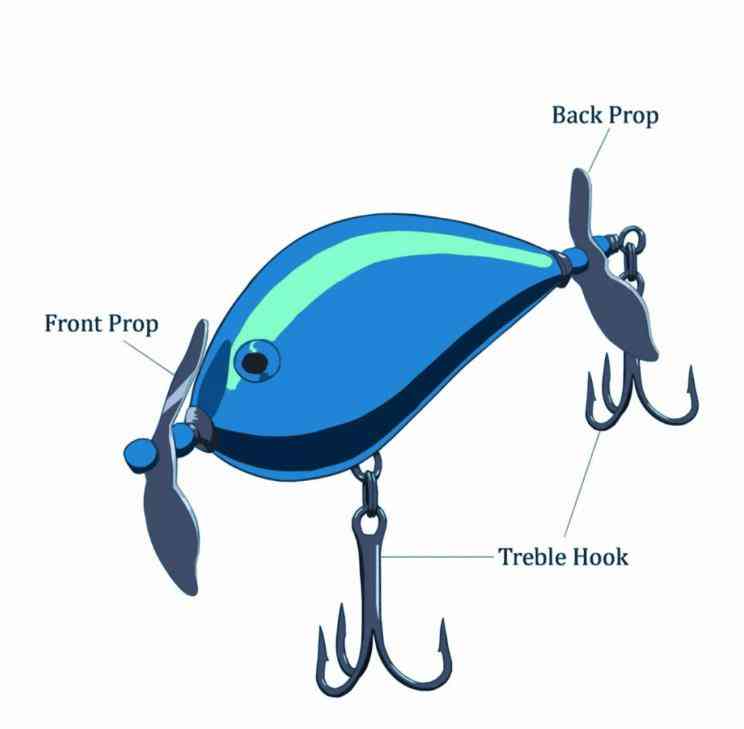
Few moments in fishing match the thrill of a topwater explosion. These lures ride the surface and create commotion that draws fish from a distance.
Topwater lures excel during low-light periods such as dawn, dusk, and nighttime. Warm water increases topwater effectiveness, as fish are more willing to rise and attack from below. Frogs are ideal for heavy vegetation, walking baits work in open water, and poppers shine when fish want smaller, more subtle surface movements.
Striped bass along the Atlantic coast, redfish in the Southeast, and pike across Europe all respond well to surface lures under calm conditions.
Spinnerbaits and Chatterbaits
Few lures are as versatile as spinnerbaits. Their flashing blades cut through stained water, and their upright design slips through grass and weeds.
They’re ideal for windy days, when vibration and flash help fish locate your lure. Shallow water, murky water, and spring warming periods are peak spinnerbait situations. Chatterbaits add a vibrating blade that can draw fish when the water is cool or when bass are feeding near the bottom in grass-heavy lakes.
These lures are equally effective for largemouth in the U.S. and for European pike and perch, especially when retrieved along weed edges.
Jigs
Jigs are among the most universal lures in fishing. They imitate crawfish, baitfish, and anything in between.
They excel in cool water, around structure, under docks, and when fish are pressured. Largemouth bass anglers rely on jigs year-round, and European anglers use jigheads and soft plastics as their primary method for targeting zander and perch.
Dragging a jig along rocks in winter, hopping it through shallow brush in spring, or swimming it through grass in summer all produce consistent results. Jigs catch fish when nothing else works.
Soft Plastics: The Subtle, Natural Presentations for Tough Conditions
Soft plastics are staples on both continents. They’re lifelike, customizable, and deadly when fish are reluctant to chase fast-moving baits.
Worms and Stickbaits
Classic soft plastic worms—Texas-rigged, Carolina-rigged, wacky-rigged, or weightless—work in almost every condition. Stickbaits, like the famous Senko-style lure, are especially effective in clear water and around shallow cover.
When fish are pressured, worm baits offer subtle action that doesn’t spook them. Summer and post-front conditions are perfect opportunities to slow down with a worm.
Swimbaits
Swimbaits—both paddle-tail and soft shad styles—are hugely popular in Europe and North America.
A slow-rolled swimbait matches the hatch better than almost any lure. It’s ideal when predators are feeding on small fish. Cold water, clear water, and deep-water structure make swimbaits an excellent choice. Large trout-patterned swimbaits are famous for attracting giant pike and musky.
Creature Baits
These bulky lures work incredibly well in heavy cover, mimicking crawfish or amphibians. Creature baits are at their best around beds in spring, in grass in the summer, and in wood cover year-round.
Tubes and Grubs
Smallmouth bass, perch, and trout readily attack tubes and grubs. Tubes imitate crayfish perfectly, making them ideal for rocky lakes. Grubs provide subtle tail movement that attracts fish during cold water conditions or in clear northern lakes.
Live Baits: When Natural Presentation Outperforms Artificial Lures
There are times when no artificial lure can compete with live bait. Whether you’re targeting walleye, catfish, trout, or sea bass, natural bait often produces more reliable results.
Minnows and Shiners
Minnows excel in cold water, around structure, or during early spring. Walleye anglers in the Midwest swear by shiners and fathead minnows. In Europe, roach and bleak are often used to target big pike.
Nightcrawlers and Worms
Few baits outfish a simple earthworm. Trout, panfish, walleye, and bass all strike nightcrawlers. They’re especially effective after rain, in rivers with current, and when fishing slow-moving rigs like Carolina rigs or slip bobbers.
Shrimp and Cut Bait
Saltwater anglers depend heavily on natural baits. Shrimp work for redfish, speckled trout, sheepshead, and snook. Cut mullet, bunker, or mackerel attract larger predators like striped bass and catfish in freshwater.
Live bait thrives when conditions are slow, water is cold, or fish are inactive. When in doubt, bait can save a tough day on the water.
Matching Lures to Water Clarity
Water clarity plays a major role in determining lure type, color, and speed.
Clear Water
In clear lakes and rivers, subtlety is king. Natural colors—silver, green pumpkin, brown, translucent shad patterns—perform best. Long, slender lures that imitate real fish work well. Soft plastics, jerkbaits, topwaters, and finesse jigs are good options. Slow retrieves and realistic motions fool wary fish.
Stained or Murky Water
Stained water requires louder, brighter, and more aggressive presentations. Chartreuse, orange, red, and darker colors stand out well. Spinnerbaits, crankbaits with rattles, and chatterbaits help fish locate your lure. Faster retrieves and higher vibration ensure predators can detect it.
Low Light and Night Fishing
Topwater lures, dark-colored plastics, and noisy lures excel after sunset. Fish rely on silhouette and vibration more than color at night, making simple, high-contrast baits the go-to.
Choosing Lures by Season
Different seasons bring different water temperatures, forage availability, and fish behavior.
Spring
Fish become more active as water warms. Spinnerbaits, chatterbaits, jigs, and swimbaits all excel. In early spring, cold water still favors smaller, slower presentations like jerkbaits or finesse worms. As spawning season approaches, creature baits and soft plastics dominate shallow water.
Summer
Warm water increases metabolism. Fast-moving lures like crankbaits, topwaters, and swim jigs shine during early morning and evening. In mid-day heat, fish retreat to deeper water or heavy vegetation, making slow-moving soft plastics a better choice.
Fall
Predators feed aggressively in preparation for winter. It’s a prime time for crankbaits, spoons, jerkbaits, and fast-moving swimbaits. Baitfish schools attract everything from bass to pike to striped bass.
Winter
Cold water makes fish sluggish. Slow presentations rule. Jigs, soft plastics, and suspending jerkbaits are the best winter tools. Natural colors and small sizes outperform larger noisy lures.
Matching the Hatch: Reading Local Forage
Understanding what fish are feeding on—shad, minnows, crawfish, perch, smelt—helps you choose the right size and profile.
If the lake is full of small shad, use silver crankbaits or small swimbaits. If the bottom is crawling with crayfish, brown jigs will outperform everything else. In rivers, fish are often keyed on insects or aquatic invertebrates, making small profiles more effective.
Matching size is equally important: too big looks unnatural; too small may not draw attention. Matching the hatch is not about copying exact color but replicating general behavior and movement.
Weather Conditions and Lure Behavior
Weather dramatically affects fish behavior.
Cloudy or overcast days
Fish roam more and feed higher in the water column. Moving baits like crankbaits, jerkbaits, and spinnerbaits work well.
Bright sunny days
Fish seek shade or go deeper. Jigs, worms, and finesse-led soft plastics are more effective.
Windy days
Wind pushes baitfish and adds turbulence. Spinnerbaits, chatterbaits, and crankbaits excel.
Post-frontal conditions
The fishing becomes tough. Slow down with soft plastics, jigs, and subtle presentations.
Quick Guide: What to Throw in Common Scenarios
Clear water: jerkbaits, finesse worms, natural-colored swimbaits
Muddy water: spinnerbaits, chatterbaits, brightly colored crankbaits
Windy conditions: spinnerbaits, reaction baits, spoons
Cold water: suspending jerkbaits, soft plastics, hair jigs
Warm water: topwater, crankbaits, swim jigs
Heavy vegetation: frogs, Texas-rigged plastics, weedless swimbaits
After a cold front: finesse baits, slow-moving jigs
When nothing is biting: live bait—minnows, nightcrawlers, shrimp
Building a Reliable Lure Selection Strategy
Choosing lures is not about owning every color on the shelf. It’s about understanding the relationship between water conditions, fish behavior, and lure action.
A simple, effective strategy is:
- Determine water clarity
- Note season and water temperature
- Identify available forage
- Consider light, wind, and weather
- Match lure profile and action to conditions
- Adjust speed, depth, and cadence until you get a strike
Even the best lure won’t work if fished at the wrong depth or speed. Confidence and experimentation matter as much as the lure itself.
Fishing lures and baits are tools—each one designed for specific scenarios. When you understand why each one works and when to use it, your success rate rises dramatically. This guide is not just about choosing the “best” lure, but about recognizing patterns, adapting to conditions, and learning how predators behave in different environments across the U.S., Canada, and Europe.
Whether you’re walking a topwater across a glassy lake at dawn, dragging a soft plastic through submerged grass, burning a crankbait over fall schools of baitfish, or presenting a live minnow to a cautious walleye, every decision influences your success. With this knowledge, you’re better equipped to make smart, confident choices every time you hit the water.