Fishing is more than just a hobby—it’s a way to connect with nature, test your skills, and enjoy the rhythm of the seasons. Each season brings its own unique challenges and opportunities, influencing fish behavior, water conditions, and the best techniques to use. Whether you’re casting a line on a tranquil lake, trolling along a river, or venturing out for ice fishing, understanding how to adapt your approach is key to a successful and enjoyable fishing experience. In this guide, we’ll explore seasonal fishing tips for spring, summer, fall, and winter, helping anglers of all levels make the most of each time of year.
Spring Fishing
Spring is a season of renewal, not only for the environment but also for fish. As the ice melts and water temperatures gradually rise, fish become more active, eager to feed after the winter months. This transition period offers prime opportunities for anglers who know where and how to look for fish.
Understanding Fish Behavior
In spring, water temperatures typically range between 45°F and 65°F (7°C to 18°C), depending on location. Many species, including bass, trout, and carp, begin moving from deeper wintering areas into shallower waters to spawn. Shallow bays, river mouths, and areas with submerged vegetation become hotspots. Fish are often more aggressive and easier to locate, making spring an ideal time for both novice and experienced anglers.
Target Species and Techniques
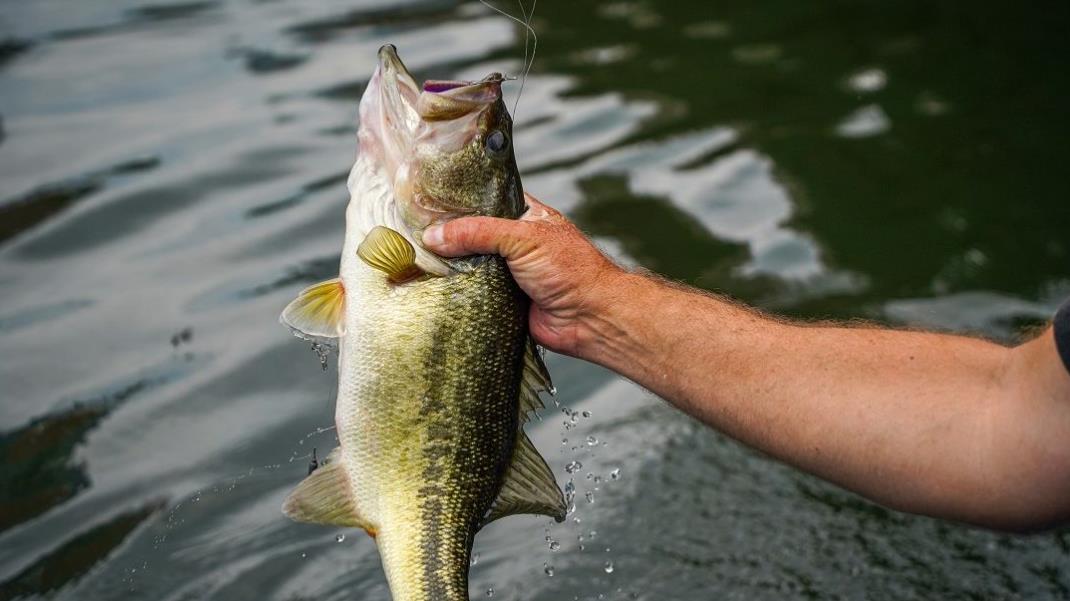
- Bass: As bass migrate to shallow waters, focus on rocky shorelines and areas with submerged structures. Use soft plastics, crankbaits, or spinnerbaits to mimic small prey. Light lines and smaller lures are often more effective in cold water.
- Trout: Trout are active in spring, especially in clear streams and rivers. Fly fishing with small nymphs or dry flies can be highly productive. Consider fishing early in the morning when insects are most active.
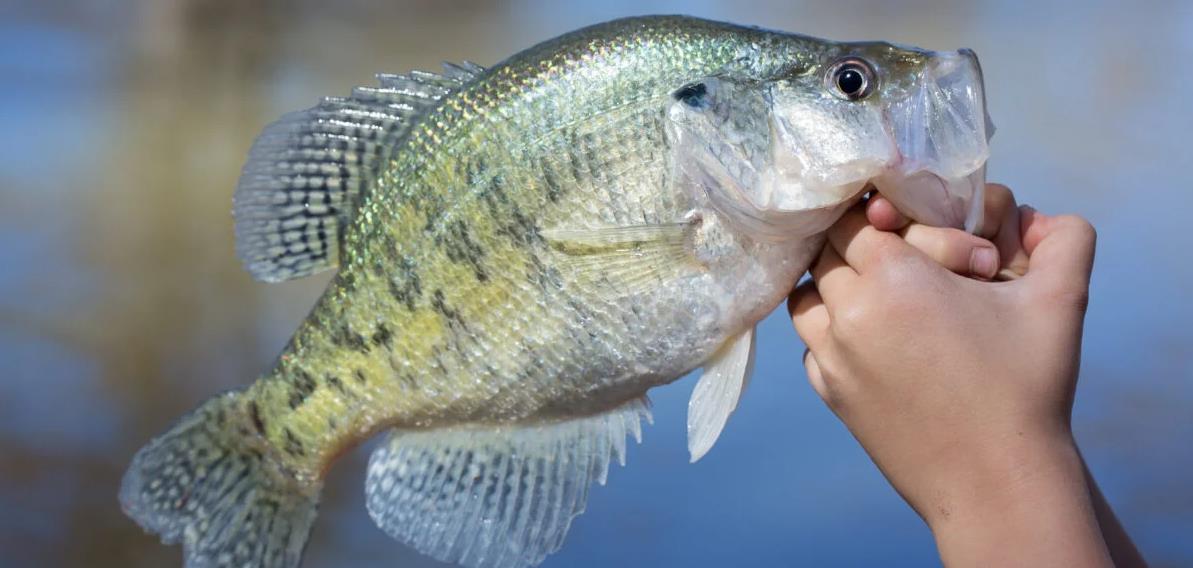
- Carp and Panfish: Target shallow, warmer areas with natural baits like corn, worms, or dough balls. Spring is also an excellent time for group fishing in lakes where these species congregate near the shore.
Equipment and Tips
- Rod and Reel: Medium-action rods paired with spinning reels provide versatility. Consider using lighter lines for finesse techniques.
- Baits and Lures: Soft plastics, small crankbaits, and spinnerbaits work well. Bright colors like chartreuse or white can attract more attention in murky spring waters.
- Timing: Early mornings and late afternoons are prime feeding times. Overcast days can also encourage fish to be more active throughout the day.
- Safety: Be mindful of fluctuating water levels, especially in rivers and streams, and wear appropriate footwear to prevent slips on muddy banks.
Spring is the perfect season to rekindle your passion for fishing after the winter lull. With a combination of patience, observation, and the right techniques, anglers can enjoy memorable outings filled with bites and action.
Summer Fishing
Summer brings long, sunny days, warm water, and, in many regions, increased fishing pressure. Fish tend to move deeper during the heat, making summer fishing a test of skill and patience. However, with the right approach, summer can be one of the most rewarding seasons for anglers.
Understanding Fish Behavior
As water temperatures rise above 70°F (21°C), fish often retreat to cooler, deeper areas during the hottest part of the day. Early mornings and late evenings become the most productive times. Some species, like catfish and bass, may also move to shaded areas or under floating vegetation to escape the heat.
Target Species and Techniques
- Bass: Summer bass fishing requires patience and strategy. Focus on deep-water structures, drop-offs, and shaded areas. Use soft plastic worms or creature baits with slow retrieves to entice lethargic fish.
- Trout: In warmer waters, trout may be harder to find. Target cooler, oxygen-rich streams, spring-fed rivers, or shaded lake areas. Fly fishing with nymph patterns can still be effective, especially near riffles and pools.
- Catfish: Summer is catfish season, as they become more active in warm water. Night fishing with stink baits or cut bait can produce excellent results.
Equipment and Tips
- Rod and Reel: Medium to heavy-action rods with strong lines are ideal for deep-water fishing. A reliable reel with smooth drag helps when fighting larger fish in hot conditions.
- Baits and Lures: Use larger, more visible lures in deep water. Bright colors and soft plastics that mimic prey are particularly effective.
- Timing and Location: Fish during early morning or late evening, and consider shaded or vegetation-heavy areas. Early summer mornings can be particularly productive for topwater action.
- Safety: Heatstroke and sunburn are risks during summer outings. Stay hydrated, wear sun protection, and be mindful of water conditions and currents.
Summer fishing demands adaptability, but the rewards are immense. The longer daylight hours also offer more flexibility for fishing trips and family outings.
Fall Fishing
Autumn is often considered one of the best seasons for fishing. As temperatures cool, fish become more active again, preparing for the winter months by feeding aggressively. Fall offers excellent opportunities for both freshwater and saltwater anglers, with a variety of techniques yielding great results.
Understanding Fish Behavior
As water temperatures drop, fish move from deep summer refuges back into shallower waters to feed. Many species, including bass, salmon, and pike, display aggressive predatory behavior in preparation for winter. Clear water and crisp air make spotting fish easier, while falling leaves and seasonal debris create unique challenges and opportunities for camouflage and lure selection.
Target Species and Techniques
- Bass: Fall is prime bass season. Target offshore structures during the day, and shallow feeding areas during low-light periods. Use crankbaits, spinnerbaits, and swimbaits that mimic baitfish.
- Salmon and Trout: Fall runs bring salmon and trout into rivers and streams. Casting spoons, spinners, and flies can produce excellent results. Timing is critical, especially during peak spawning runs.
- Pike and Musky: Cooler temperatures increase predatory fish activity. Larger lures and aggressive retrieves often trigger strikes from these apex predators.
Equipment and Tips
- Rod and Reel: Medium-heavy rods with sensitive tips allow for detecting subtle bites while handling aggressive fish. A strong reel with high line capacity is recommended for larger species.
- Baits and Lures: Natural colors work well in clear water. Silver, white, and green lures mimic prey fish effectively. Consider using scent or attractants for pike and musky.
- Timing and Location: Early morning and late afternoon are the best times. Focus on areas where prey fish are concentrated, such as shallow flats or points.
- Safety: Cooler temperatures can catch anglers off guard. Dress in layers and be cautious of slippery banks or fallen leaves near water.
Fall fishing combines the thrill of hunting active fish with the beauty of autumn landscapes. The crisp air and vibrant scenery make outings memorable, while the consistent feeding patterns of fish increase the chances of success.
Winter Fishing
Winter presents the ultimate challenge for anglers. Cold temperatures, ice-covered waters, and reduced fish activity require preparation, patience, and specialized techniques. However, for those willing to brave the cold, winter fishing can be extremely rewarding.
Understanding Fish Behavior
In winter, fish metabolism slows, and their activity level decreases. Many species congregate in deeper water or near thermal refuges, such as springs or underwater structures. Clear, cold water can make fish more cautious, but it also allows skilled anglers to target them with precision.
Target Species and Techniques
- Trout: Winter trout fishing often involves slow presentations with small jigs, spoons, or soft plastics. Look for trout near springs or deep pools where water remains oxygen-rich.
- Panfish: Bluegill and crappie are popular winter targets. Ice fishing through small holes with live bait or jigs can be very productive.
- Catfish and Bass: In milder winter climates, these species may remain active in deeper water. Slow trolling or vertical jigging can trigger bites.
Equipment and Tips
- Rod and Reel: Short, sensitive rods work well for ice fishing or precise winter presentations. A reliable reel with smooth drag is essential.
- Baits and Lures: Smaller, subtle lures are preferred. Bright colors like chartreuse and pink can attract attention in clear water. Live bait such as minnows is highly effective.
- Timing and Location: Fish during the warmest part of the day if possible, and focus on deep-water structures. Patience is key, as strikes may be slower.
- Safety: Winter fishing requires careful preparation. Dress in layers, use insulated boots, and take precautions when fishing on ice. Never fish alone on frozen lakes without safety measures.
Winter fishing is a test of skill and endurance. The tranquility of frozen lakes and quiet streams, combined with the excitement of a successful catch, makes winter a uniquely rewarding season.
Fishing is an ever-changing sport, influenced by the rhythm of the seasons, water conditions, and fish behavior. Spring offers the excitement of awakening fish, summer challenges anglers with heat and deep-water tactics, fall rewards with aggressive feeding patterns, and winter tests patience and preparation. By understanding the seasonal patterns, adapting your techniques, and selecting the right equipment, anglers can enjoy productive and memorable fishing trips year-round.
Whether you’re exploring the lakes of the American Midwest, the rivers of Scandinavia, or the streams of France, each season brings its own joys and lessons. The key to successful fishing lies in observation, adaptation, and a genuine love for the sport. By following these seasonal tips, you’ll be better equipped to enjoy the full spectrum of fishing experiences that nature offers throughout the year.