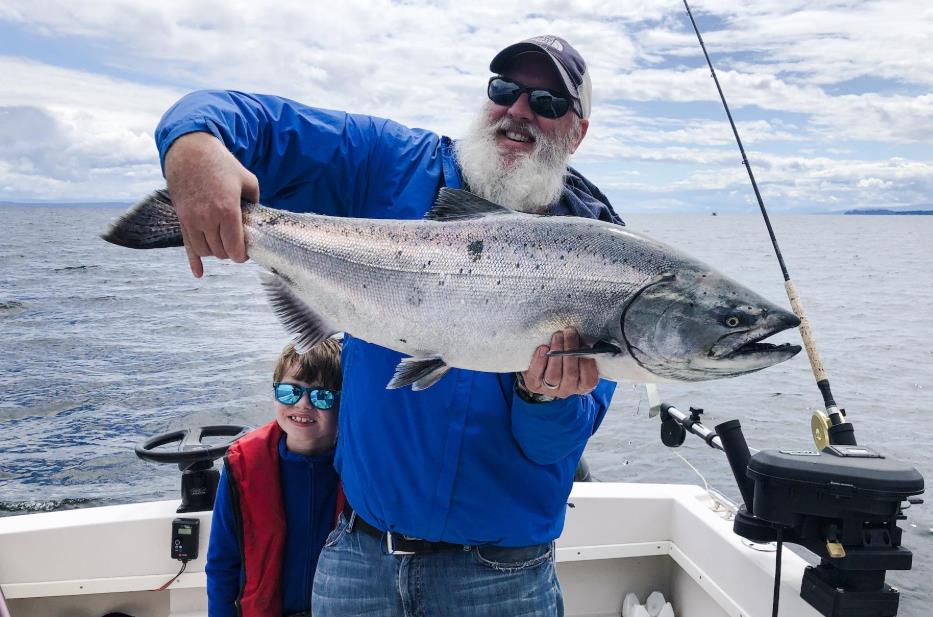
Freshwater fishing is one of the most relaxing and rewarding outdoor hobbies. It offers a unique combination of excitement, patience, and connection with nature. Whether you live near a lake, river, or pond—or plan to travel to popular fishing spots in North America or Europe—freshwater fishing is accessible to beginners of all ages. Unlike some other outdoor sports, you don’t need expensive equipment or advanced skills to get started.
Fishing offers mental health benefits, too. Spending time near water can reduce stress, improve focus, and even lower blood pressure. For families, fishing provides an excellent way to bond, teach kids about nature, and encourage patience and observation skills. Many beginners are surprised by how quickly they can catch their first fish when following simple techniques and choosing the right spots.
In this guide, we’ll cover everything a beginner needs to know: from basic concepts and essential gear to effective techniques, safety tips, and local regulations in North America and Europe. By the end, you’ll have the confidence to plan your first fishing trip and enjoy one of the most timeless outdoor activities.
Freshwater Fishing Basics
Freshwater fishing takes place in rivers, lakes, ponds, and reservoirs, as opposed to saltwater fishing in oceans. Freshwater fish live in environments that vary from calm lakes to fast-moving rivers. Each type of water body has unique characteristics that influence fish behavior.
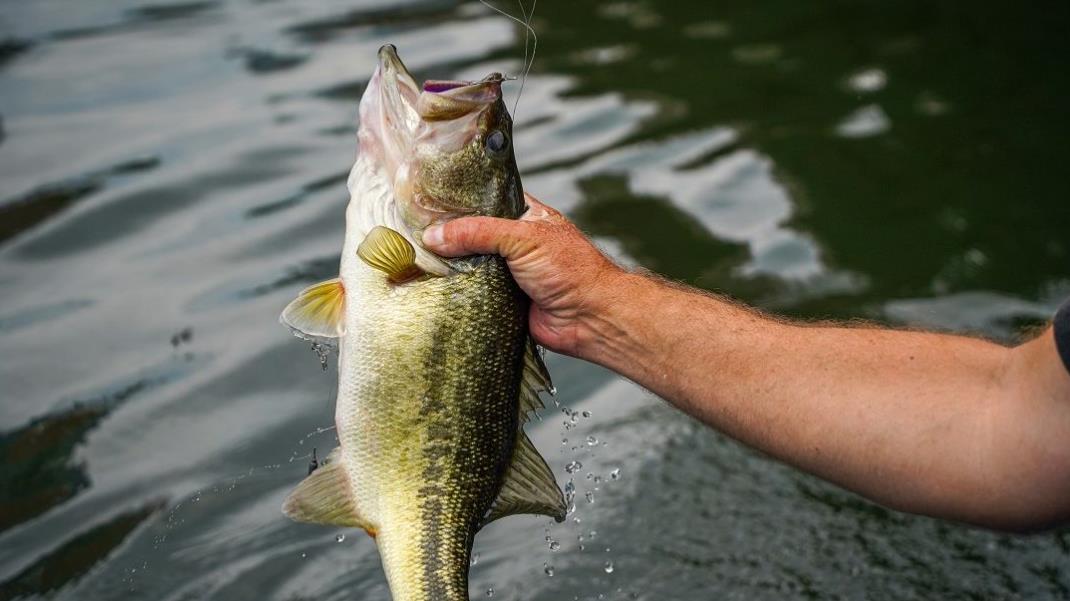
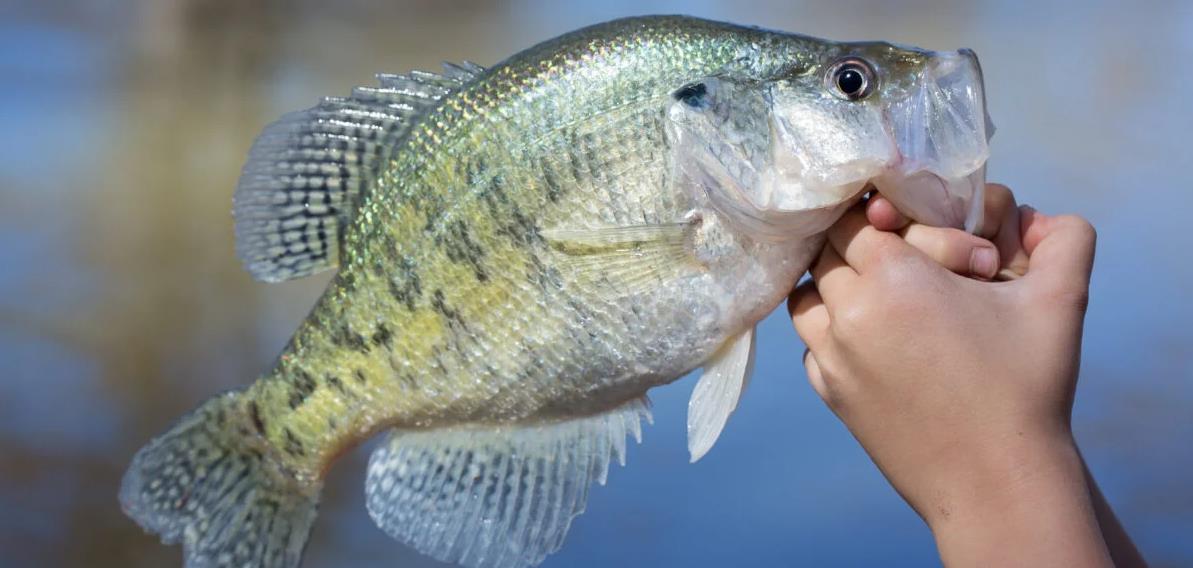
Common freshwater fish species in North America and Europe include bass, trout, catfish, panfish, and carp. Bass, especially largemouth and smallmouth, are popular for their aggressive strikes and are a favorite target for beginners. Trout, including rainbow, brown, and brook trout, thrive in cooler rivers and streams. Catfish are bottom-dwellers and are often more active at night. Panfish such as bluegill and crappie are small, easy to catch, and perfect for kids. Carp are common in Europe and North America and are known for their strength and endurance, making them a fun challenge for anglers.
Fishing environments can vary significantly. Lakes are calm and beginner-friendly, with fish often hiding near submerged vegetation, docks, and rocks. Rivers and streams require learning to read currents and cast accurately, as fish may hide behind rocks or in deep pools. Ponds are smaller and offer limited fish populations, making them excellent practice grounds. Reservoirs, which are larger man-made lakes, are often stocked with multiple fish species, providing more opportunities for beginners to catch fish.
Understanding fish behavior is crucial. Water temperature, weather, season, and time of day all affect fish activity. Early mornings and late afternoons are usually the most productive times. Fish often hide near structures such as logs, rocks, aquatic plants, or shaded areas. Observing signs like ripples on the water, jumping fish, or birds diving can help identify active fishing spots. Keeping a fishing journal to record locations, weather conditions, bait used, and fish caught can help beginners quickly recognize patterns and improve success rates.
Essential Fishing Gear
Choosing the right equipment can make the difference between an enjoyable experience and a frustrating one. For beginners, simplicity and versatility are key.
Spinning rods are the most beginner-friendly due to their ease of use and adaptability. Medium-action rods can handle a variety of fish, making them ideal for lakes, rivers, and ponds. Casting rods provide more precision but require practice to master. When it comes to reels, spinning reels are easier to learn, while baitcasting reels are more advanced and suited to experienced anglers.
Fishing lines come in different types, each with its advantages. Monofilament lines are stretchy and easy to handle, making them perfect for beginners. Braided lines are stronger and have less stretch, which is useful for larger fish. Fluorocarbon lines are nearly invisible underwater, ideal for clear water conditions.
Hooks, floats, and weights are essential components. A selection of small, medium, and large hooks will cover most freshwater species. Floats or bobbers indicate when a fish bites and are especially helpful for children or beginners fishing from shore. Weights, such as split shot, keep bait at the desired depth and improve casting accuracy.
Bait and lures come in two main categories. Natural baits include worms, minnows, corn, and dough balls, which are effective for many freshwater fish. Artificial lures, such as soft plastics, spinnerbaits, crankbaits, and jigs, offer variety and can mimic natural prey. Beginners should experiment with different colors, sizes, and movement patterns to determine what works best in their fishing area.
Optional equipment can enhance comfort and convenience. A fishing net helps safely land fish, a tackle box keeps gear organized, and a cooler can store the day’s catch. Comfort items like a chair, sunscreen, hat, and insect repellent make the experience more enjoyable. Starting with simple, affordable gear allows beginners to focus on learning techniques without worrying about damaging expensive equipment.
Basic Fishing Techniques
Casting is one of the first skills a beginner should master. Smooth, controlled casting prevents tangles and ensures the bait lands where intended. Practicing different cast types—underhand, overhead, or sidearm—can improve accuracy and reach. Releasing the line slowly during a cast helps maintain control and avoids backlash.
Bait and lure presentation is equally important. Adjust bait type and size according to the target fish species, water depth, and weather conditions. Varying lure movement and retrieval speed can mimic the behavior of natural prey, making it more likely to attract fish.
Reading the water is a critical skill. Observing ripples, waves, or diving birds can reveal where fish are active. Identifying underwater structures, such as rocks, logs, or weed beds, helps determine optimal casting locations. Patience is essential—fish are not always active, and sometimes waiting quietly can be more productive than constant casting.
Safety should never be overlooked. Wearing a life jacket near deep or fast-moving water is essential, especially for beginners or children. Keeping a first aid kit nearby can address minor injuries like cuts or hook pricks. Respecting wildlife, fellow anglers, and the environment is part of good fishing etiquette.
Beginners often make common mistakes, such as overcasting, using the wrong bait or hook size, or ignoring local regulations. Awareness and practice can help avoid these pitfalls. Fishing with a buddy not only increases safety but also adds to the enjoyment and learning experience.
Rules and Regulations in North America and Europe
Fishing regulations vary by region but are designed to protect fish populations and ensure sustainable recreational fishing. Most U.S. states, Canadian provinces, and European countries require freshwater fishing licenses. Licenses often differ for residents and non-residents, so checking local requirements is crucial before fishing.
Catch limits and size regulations are common. Minimum and maximum size restrictions ensure that juvenile fish are not overharvested and that mature fish can continue to reproduce. Protected species and areas exist, where fishing may be restricted or prohibited to conserve ecosystems. Seasonal closures may also apply to certain lakes, rivers, or fish species.
Practicing catch and release is highly recommended to maintain healthy fish populations. Using barbless hooks reduces injury, handling fish with wet hands protects their slime coating, and returning fish to the water quickly improves survival chances. Local government websites and fishing associations provide up-to-date rules and recommended fishing spots, and local bait shops can offer practical advice on regulations and techniques.
Troubleshooting and Tips for Beginners
Not catching fish is a common experience for beginners. Changing fishing locations, trying a different depth, or experimenting with bait or lure colors can increase chances of success. Adjusting retrieval speed or technique may also attract fish that are hesitant.
Handling equipment issues is another key skill. Learning basic knots like the improved clinch knot and Palomar knot ensures secure attachment of hooks and lures. Keeping extra line and spare hooks prevents interruptions during fishing trips. Avoiding overly hard casts reduces the risk of breaking the line or damaging the rod.
Weather and bugs can also affect comfort and effectiveness. Dressing in layers allows anglers to adapt to changing conditions. Sunscreen, sunglasses, and insect repellent are essential for protecting against sunburn and bites.
Maintaining the right mental approach is important. Accepting that not every trip results in a catch and focusing on learning and enjoying nature rather than immediate success helps build confidence and patience.
Tips to Improve Quickly
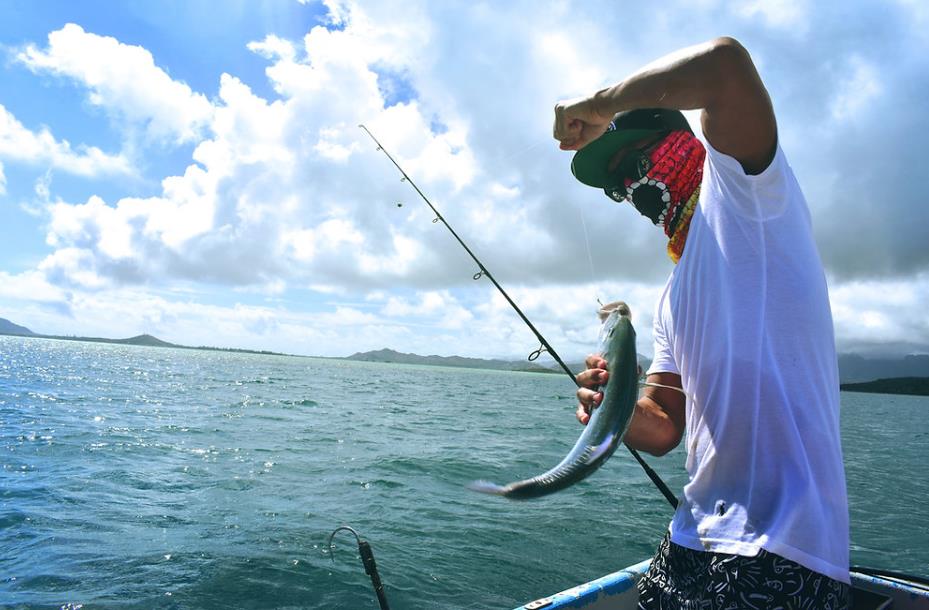
Keeping a fishing journal is invaluable. Recording conditions, bait, weather, and catches helps recognize patterns and plan better for future trips. Observing experienced anglers, joining local clubs, or watching tutorial videos can accelerate learning. Experimenting with different bait, lures, techniques, and fishing spots increases versatility and adaptability.
Practicing knots and casting regularly builds skill and confidence. Learning about the local ecosystem, including fish species and their habits, improves decision-making and efficiency. Over time, these habits transform beginners into competent anglers capable of enjoying every aspect of freshwater fishing.
Freshwater fishing is a rewarding hobby that combines relaxation, skill, and connection to nature. With the right gear, knowledge, and patience, beginners in North America and Europe can enjoy a fulfilling outdoor experience. Following local regulations, respecting the environment, and focusing on the enjoyment of the process rather than just the catch enhances every trip. Small goals, curiosity, and consistent practice lead to improved skills and more successful fishing experiences. Freshwater fishing is not just about catching fish—it’s about embracing a lifelong adventure in nature, learning from each experience, and enjoying the tranquility and excitement it brings.