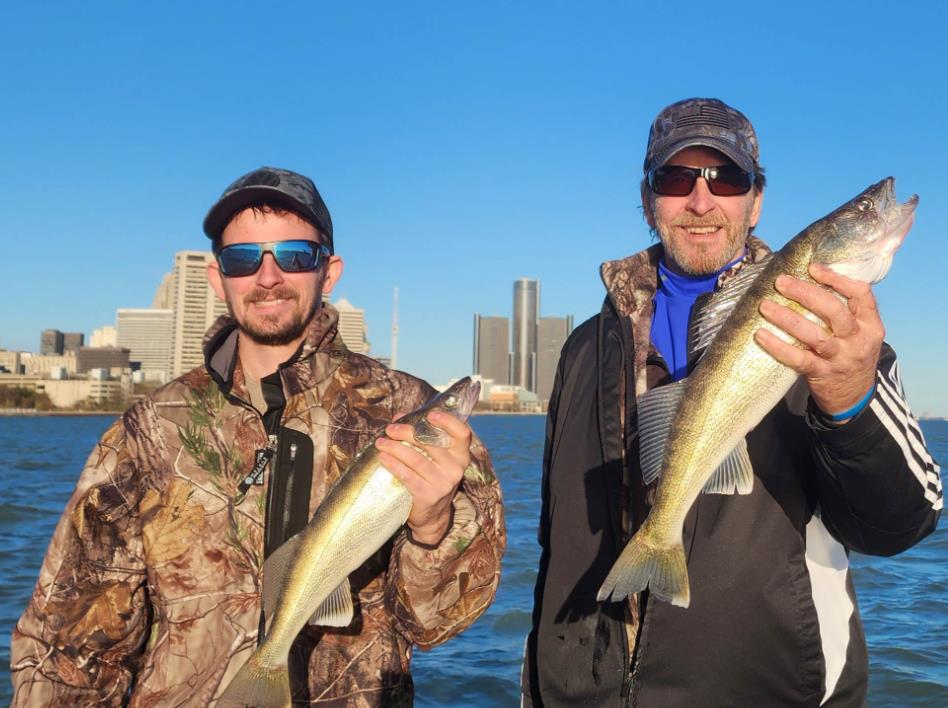
Hey guys, it’s Tom—your go-to fishing buddy who’s spent 30+ years chasing everything from smallmouth to muskies, but nothing gets my blood pumping like tussling with a feisty walleye. Lately, every kid at the bait shop, every new guy at the ramp, and even my neighbor’s buddy who just got into fishing asks the same question: “Tom, how do you actually catch walleye? What’s the best time, gear, and spots?”
I’ve seen guys blow it big time—casting midday in July when the fish are deep, showing up with a rod built for bass when they need a jigging stick, or wasting hours on flat water when the bite is around rocky points. I’ve been there too; made every mistake in the book before figuring out what works. This guide’s straight from my playbook—no fluff, just hard-earned wisdom, stories of big ‘eyes that got away (and plenty that didn’t), and step-by-step tips to put more walleye in your boat. Let’s dive in.
First Things First: What Makes Walleye So Tricky (But Worth It)
Let’s start with the basics—why walleye are the “ghosts of the freshwater” and why mastering them separates casual anglers from the guys who brag about limits at the campfire.
Walleye are cold-water specialists with two superpowers: night vision (they hunt best in low light) and a knack for hiding in structure where prey schools up. They’re not like bass, which will chase a lure all day; walleye are ambush predators—they wait, then strike fast and hard. Miss their window, and you’re done.
They’re also tough to pin down because their moves change with the seasons. One day they’re in 3 feet of shallow sand flats; the next, they’re 40 feet down on a mud flat. Nail the timing and location, and you’ll hook ’em. Mess up, and you’ll stare at a bobber all day. I learned this the hard way back in 2018, when I showed up to Lake of the Woods in mid-July and cast shallow all morning—zero bites. Moved to a 35-foot mud flat near a channel edge, vertical-jigged a leech, and boated 8 limits by noon. Lesson: Walleye fishing is all about adapting, not guessing.
Part 1: Best Time to Fish Walleye (Seasons + Times of Day)
Walleye’s behavior shifts with water temps and forage migrations. Below is my proven seasonal breakdown, plus the best times of day to target them—straight from years of early-morning runs and late-night trips.
🌱 Late Winter/Early Spring (Late Feb–Early May): The Spawn Run – *Best Time of the Year*
This is when walleye are most concentrated and bite hardest. Water temps hit 40–50°F, and fish move from deep winter holes to shallow spawning grounds (sand flats, rocky shorelines, tributary mouths).
- Best times of day: Dawn, dusk, and night. Spawn is low-light, so midday is dead.
- My go-to move: Fish tributaries (like the Rainy River at Lake of the Woods) or shallow sand flats 5–15 feet deep. I use a Lindy rig with a leech and bounce it along the bottom—walleye stack up here, and bites come fast.
- War story: 2022, I fished the Rainy River in late March. Water was 42°F, and the walleye were running upstream to spawn. I anchored on a sand flat, cast a leech rig, and caught a 7-pound ‘eye on my first cast. By sunrise, I had 12 limits. The guy next to me was fishing midday—nothing. Never sleep on the spring spawn.
☀️ Summer (Late May–Early Sept): Deep Water & Low Light – *Trickiest Season*
Water temps climb to 70–85°F, and walleye flee the shallows for deeper, cooler water (25–40 feet) around thermoclines, weed edges, and channel drop-offs. They’re still active, but they’re picky—they only feed in low light.
- Best times of day: Dawn, dusk, and night. Daytime is a waste unless you’re fishing deep structure.
- My go-to move: Vertical jigging over mud flats or humps. Use a 3/8–1/2 oz jig with a soft plastic (minnow imitator) or a leech. I fish 30–35 feet deep near Big Traverse Bay at Lake of the Woods—this is where the emerald shiners hang, and the walleye follow.
- War story: 2021, July 4th weekend. I fished Lake of the Woods at 10 PM. Water temp 72°F, and the ‘eyes were shallow—3–5 feet near weed lines. I cast a 1/4 oz jig with a white twister tail, and the bite was nonstop. Caught 6 fish in an hour, including a 6-pounder. Night fishing in summer is underrated.
🍂 Fall (Late Sept–Late Nov): Pre-Winter Feeding Frenzy – *Trophy Time*
Water temps drop to 50–65°F, and walleye bulk up for winter—they’re aggressive, and they hit anything that moves. They move back to shallow rocky shorelines, reefs, and river riffles.
- Best times of day: All day, but dawn/dusk is still prime.
- My go-to move: Trolling with deep-diving crankbaits (Rapala Shad Raps, Storm Wiseguys) along weed edges or sand bars. I also vertical-jig with a 1/2 oz jig and a leech—big ‘eyes love this in fall.
- War story: 2023, October. I fished Lake Erie’s Presque Isle Bay. Water was 58°F, and the walleye were feeding on shiners. I trolled a 30-foot deep crankbait at 2.5 knots, and hooked a 9-pound trophy—my biggest walleye ever. Trolling in fall is money.
❄️ Winter (Late Nov–Early March): Ice Fishing – *Quiet, Consistent Bites*
Ice fishing is my favorite winter activity. Walleye hole up in deep structure (20–30 feet) near reefs or channel edges, and the bite is steady—no wind, no crowds, just you and the fish.
- Best times of day: Mid-morning to early afternoon (sun warms the ice, fish move slightly shallower).
- My go-to move: Ice jig with a 1/8–3/8 oz jig and a waxworm or minnow. I use a flashy jig (silver or gold) to attract bites—walleye love the flash in clear ice water.
- War story: 2024, February. I fished Lake of the Woods through the ice. Set up near Pine Island Gap, drilled a hole in 28 feet of water, and jigged a waxworm. Caught a 5-pound ‘eye on my first drop. By noon, I had 10 limits. Ice fishing for walleye is underrated—don’t skip it.
Pro Tip: Never Fish Midday in Summer
Walleye’s eyes are sensitive to bright light—they hide in deep structure and won’t bite. Save midday for coffee and stories; save low light for catching fish.
Part 2: The Only Gear You Need (No Overpriced Junk)
I’ve fished with $30 Walmart combos and $800 high-end setups. For walleye, gear matters, but it’s not about flash—it’s about sensitivity and backbone. Below is my proven gear list, broken down by rod, reel, line, lures, and rigs. I’ve tested all of these, and they work.
🎣 Rod & Reel: The Foundation of Your Setup
Walleye have soft bites and strong runs—your rod and reel need to handle both.
| Component | My Go-To Setup | Why It Works |
|---|---|---|
| Rod | 7’0” Medium-Fast Action Spinning Rod (St. Croix Legend Elite or G. Loomis GLX) | Medium-fast action = sensitive tip for soft bites, backbone to set hooks hard. 7’ length = great casting and jigging control. |
| Reel | 2500–3000 Size Spinning Reel (Shimano Vanford or Penn Battle III) | Smooth drag (critical for light lines), good line capacity, and corrosion resistance (saltwater or freshwater, it works). |
| Baitcasting Backup | 7’1” Medium-Heavy Fast Baitcaster (Abu Garcia Revo SX) | For heavy jigs or trolling large crankbaits—more backbone for big fish. |
Why not baitcaster for everything? Spinning reels are easier to cast accurately, which is key for targeting structure. Baitcasters are for when you need muscle—stick with spinning for most walleye trips.
🧵 Line: Bite Detection Is Everything
Walleye have soft bites—you need line that’s sensitive, invisible, and strong.
| Line Type | My Go-To | Why It Works |
|---|---|---|
| Main Line | 10–15 lb Braid (Power Pro or Sufix 832) | Zero stretch = feel every soft bite. High-visibility yellow/green for line management. Casts far and smooth. |
| Leader | 12–15 lb Fluorocarbon (2–3 feet long) | Invisible in clear water—walleye won’t see it. Abrasion-resistant for rocks and structure. |
| Backup | 8 lb Monofilament (if you run out of braid) | Buoyant and shock-absorbent for small fish. |
Pro Tip: Never use straight monofilament for main line—too much stretch, and you’ll miss soft bites. Braid + fluorocarbon leader is the walleye holy grail.
🎣 Lures & Rigs: The Secret Sauce
Walleye hit a variety of lures, but these are the ones that work every time. I’ve caught limits on all of them, in every season.
Top Lures (By Season)
- Jigs (1/8–1/2 oz) – All-Season Workhorse
- Soft plastic bodies (twister tails, minnow imitators) in white, chartreuse, or silver.
- Spring: 1/8 oz jig with a leech (spawn run).
- Summer: 3/8 oz jig with a soft plastic (deep water).
- Fall: 1/2 oz jig with a leech or minnow (pre-winter feeding).
- War story: 2022, fall. I used a 1/2 oz silver jig with a white twister tail at Lake Erie. Caught 15 walleye in 2 hours—every bite was a thud.
- Crankbaits – Fall & Trolling King
- Deep-diving (10–30 feet) crankbaits (Rapala Shad Rap, Storm Wise Guy) in shiner or perch patterns.
- Troll at 2–3 knots along weed edges or channel drop-offs.
- Pro Tip: Use a rattle trap crankbait in clear water—rattles attract walleye’s attention.
- Live Bait (Leeches, Minnows) – Spring & Summer MVP
- Leeches: Spring spawn run, fall pre-winter.
- Emerald shiners: Summer deep water, fall feeding frenzies.
- Rig on a Lindy rig (slip sinker) or a jig head—live bait is hard to beat.
- War story: 2021, summer night. I fished Lake of the Woods with a leech on a 1/4 oz jig. Caught a 7-pound ‘eye on my third cast—live bait doesn’t lie.
Must-Have Rigs
- Lindy Rig (Slip Sinker) – All-Season Classic
- 1/8–1/2 oz slip sinker, 12–15 lb fluorocarbon leader, size 4/0 hook.
- Perfect for live bait—slides along the bottom, walleye suck it in without feeling weight.
- My go-to for spring and fall.
- 3-Way Rig – River & Deep Water
- 3-way swivel, 12–15 lb main line, 1–2 foot leader, 1/4–1/2 oz sinker.
- Ideal for Mississippi River wing dams or deep channel edges—keeps bait off the bottom.
- Pro Tip: Use a small split shot above the hook to add subtle movement.
- Jig Head Rig – Vertical Jigging & Ice Fishing
- 1/8–3/8 oz jig head, soft plastic or leech.
- Vertical jig over deep structure—lift, drop, pause. The pause is when walleye strike.
Part 3: Best Locations (Where to Find Walleye Near You)
Walleye live in lakes, rivers, and reservoirs across the U.S. and Canada. Below are my top 3 locations, with specific spots and seasonal tips. I’ve fished all of these, and they’re proven hotspots.
🏔️ Lake of the Woods (Minnesota/Canada) – *Walleye Capital of the World*
This lake is massive (1,400+ square miles) and loaded with walleye—big ones, too (10+ pounds are common). It’s my go-to for spring and fall trips.
Top Spots (By Season)
- Spring: Rainy River (mouth to 30 miles upstream) – spawning run. Fish sand flats 5–15 feet deep.
- Summer: Big Traverse Bay, Little Traverse Bay – 30–35 foot mud flats near channel edges. Fish dawn/dusk/night.
- Fall: South Shore – walleye school up following emerald shiners. Anchor and jig frozen shiners.
- Winter: Pine Island Gap (Lighthouse Gap/Morris Point Gap) – 25–30 foot reefs. Ice fish here for consistent bites.
Pro Tip: Use a GPS. Lake of the Woods is huge—mark your spots (humps, drop-offs, reefs) and come back to them. I’ve caught limits on the same GPS spot for 5 years straight.
🌊 Lake Erie (Ohio/Pennsylvania/New York) – *Trophy Walleye Heaven*
Lake Erie is famous for its massive walleye (8–12 pound trophies are common). The western basin (Port Clinton, Ohio) is the “Walleye Capital of the World”.
Top Spots (By Season)
- Spring: Maumee Bay, Put-in-Bay – shallow sand flats and tributaries. Spawn run kicks off in late April.
- Summer: Offshore drop-offs (20–30 feet) near Presque Isle Bay (Pennsylvania). Fish dawn/dusk/night with crankbaits.
- Fall: Presque Isle Bay, Erie Harbor – shallow rocky shorelines and weed edges. Trolling with deep crankbaits is money.
- Shore Fishing: Fairport Harbor, Mentor Lagoons (Ohio) – rock jetties and structure. Fish night for big ‘eyes.
Pro Tip: Check Local Reports. Lake Erie’s water levels and forage change yearly. Follow local charters (like Playin’ Hooky Charters in Port Clinton) for up-to-date bite info.
🚣 Mississippi River (Pool 4–9, Minnesota/Wisconsin) – *River Walleye Gold*
The Mississippi is home to healthy walleye populations, with big fish in the wing dams and deep pools. It’s my go-to for summer and fall trips.
Top Spots (By Season)
- Spring: Wing dams (Red Wing, Wabasha) – spawning run. Fish upstream sides of dams in 4–6 feet of water.
- Summer: Deep pools (10–20 feet) near wing dams and scour holes. Use a 3-way rig with minnows.
- Fall: Riffle areas and shallow sand bars. Cast shallow-running crankbaits at dawn/dusk.
- Pro Tip: Fish current breaks (fallen trees, rock piles) – walleye rest here, waiting for prey.
Part 4: My Pro Tips (Learned the Hard Way, So You Don’t Have To)
I’ve spent 30+ years chasing walleye—here are the tips that separate me from the guys who go home empty-handed.
- Read the Water First
- Look for forage (shiners, perch, emerald shiners) – walleye follow the food. If you see baitfish jumping, mark that spot—walleye are nearby.
- Check water temps: 40–50°F (spring spawn, shallow), 70–85°F (summer deep), 50–65°F (fall shallow), 32–40°F (winter deep). A cheap water temp gauge is worth its weight in gold—I keep one on my rod tip at all times.
- Look for structure: Walleye don’t swim in open water—they hide near rocks, reefs, drop-offs, weed edges, and wing dams. I once spent 2 hours fishing open water at Lake Erie before moving to a rock reef—and caught 10 walleye in 30 minutes. Structure is everything.
- Match the Bait to the Forage
- If walleye are eating shiners, use a shiner-imitator crankbait or a live shiner. If they’re eating perch, use a perch-pattern jig. I learned this in 2019, when I fished Lake of the Woods with a minnow when the walleye were eating leeches—zero bites. Switched to a leech, and caught 8 fish in an hour. Fish are picky—match their food.
- Live bait > artificial (most of the time). I love lures, but nothing beats a lively leech or minnow—especially in spring and summer. Keep your live bait fresh: use a bait bucket with an aerator, and change the water every few hours. Dead bait = dead bites.
- Be Patient (But Know When to Move)
- Walleye bites can be slow—give a spot 15–20 minutes before moving. I once left a spot after 10 minutes, only to come back later and catch 6 walleye. They’re not always active, but they’ll bite if you wait.
- But don’t waste time: If you haven’t had a bite or a nibble in 20 minutes, move. I’ve seen guys fish the same dead spot for hours—they’re just wasting daylight. Walleye move, so you should too.
- Handle Walleye With Care (For Release or Dinner)
- Walleye have soft mouths—use a rubber net to land them (no metal nets, which tear their mouths). If you’re releasing, wet your hands before handling them—dry hands remove their protective slime, which can kill them.
- If you’re keeping them for dinner, ice them down immediately. Walleye taste best when kept cold—don’t let them sit in warm water. I keep a cooler with ice in my boat at all times, even in winter (ice fishing). Fresh walleye fillets are worth the extra effort.
- Learn From Your Mistakes (I Did)
- I’ve missed more walleye than I’ve caught—we all have. The key is to figure out why. Did you use the wrong bait? Fish the wrong depth? Miss a soft bite? I keep a small notebook in my tackle box to write down what works (and what doesn’t). After a trip, I review it—this is how I learned to stop fishing midday in summer, and how I figured out the perfect jig weight for deep water.
- Don’t be afraid to ask for help. I still ask old-timers at the bait shop for tips—they’ve been fishing these waters longer than I have, and they know the tricks. Pride will cost you fish—humility will put them in your boat.
Final Thoughts: Walleye Fishing Isn’t Rocket Science (But It Takes Work)
At the end of the day, walleye fishing is about three things: timing, location, and gear. Master those three, and you’ll be the guy at the campfire bragging about your limits. But remember—even the best anglers have slow days. I’ve gone whole trips without catching a single walleye, and that’s okay. Fishing is about the journey, not just the catch.
I’ve spent 30+ years chasing these fish, and I still learn something new every trip. That’s the beauty of walleye fishing—they keep you on your toes. Whether you’re a beginner or a seasoned angler, there’s always a trick to learn, a spot to discover, or a big ‘eye waiting to bite.
Next time you’re heading out to fish walleye, remember this guide. Check the water temp, match your bait to the forage, fish structure, and be patient. And if you’re ever stuck, just ask— I’m always happy to share a tip (or a war story) over a cold beer.
Now, who’s ready to hit the water? I’ll bring the leeches, you bring the cooler. Let’s catch some walleye.
— Tom, Your Veteran Fishing Buddy