Hey fellas, Tom here. Lately, I’ve been getting the same question at the bait shop, the campfire, and even at the barber shop: “Tom, I’m new to fishing—what’s the easiest fish to catch so I don’t get skunked on my first trip?” I get it. Nobody wants to drive 2 hours, sit in the sun for 6 hours, and walk away with nothing but a sunburn and a cooler full of air.
Over 30 years of wetting lines from the Great Lakes to the Florida Keys, I’ve put together a shortlist of the 10 easiest fish to catch in North America. These are the fish that will put your buddy’s kid on the board in 10 minutes, that let you fish from shore without a boat, and that will turn a “I don’t know what I’m doing” day into a “Let’s do this again tomorrow” win. I’m not talking about rare, tricky fish—these are the ones that are everywhere, eat everything, and don’t care if you’re a beginner.
I’ll break down each one by where to find them, the simplest bait/lure to use, the best time to fish, and I’ll throw in a few of my personal stories to prove it. By the end, you’ll be the guy who can take anyone out fishing and guarantee a catch. Let’s dive in.
1. Bluegill (The #1 First Fish for a Reason)
If there’s one fish that defines “beginner-friendly,” it’s the bluegill. It’s the first fish I ever caught, the first fish my son caught, and the first fish I’ve taught to literally hundreds of new anglers. They’re everywhere, they’re aggressive, and they put up a fun little fight for their size.
Why it’s easy: Bluegill are not picky eaters. They’ll hit a worm, a cricket, a piece of bread, or a tiny jig. They school up, so once you find one, you’ll catch a bunch. They’re small enough that even kids can reel them in without breaking a sweat.
Where to find them: Ponds, lakes, slow-moving rivers, and even some marshy creeks. Look for shallow water near weed beds, docks, or fallen trees—they love cover.
Bait/Lure: Nightcrawlers (the gold standard), red wigglers, or a tiny 1/32oz jig with a plastic grub. A bobber is your best friend here—just cast it out and wait for it to dip.
My story: I took my 7-year-old grandson, Jake, fishing for bluegill at a local pond last summer. I set him up with a Zebco spincast combo, a nightcrawler, and a bobber. Within 5 minutes, his bobber went under, and he reeled in his first fish—a nice 8-inch bluegill. By the end of the hour, he had 12. It was so easy, he asked if we could go again the next day. That’s the power of bluegill.
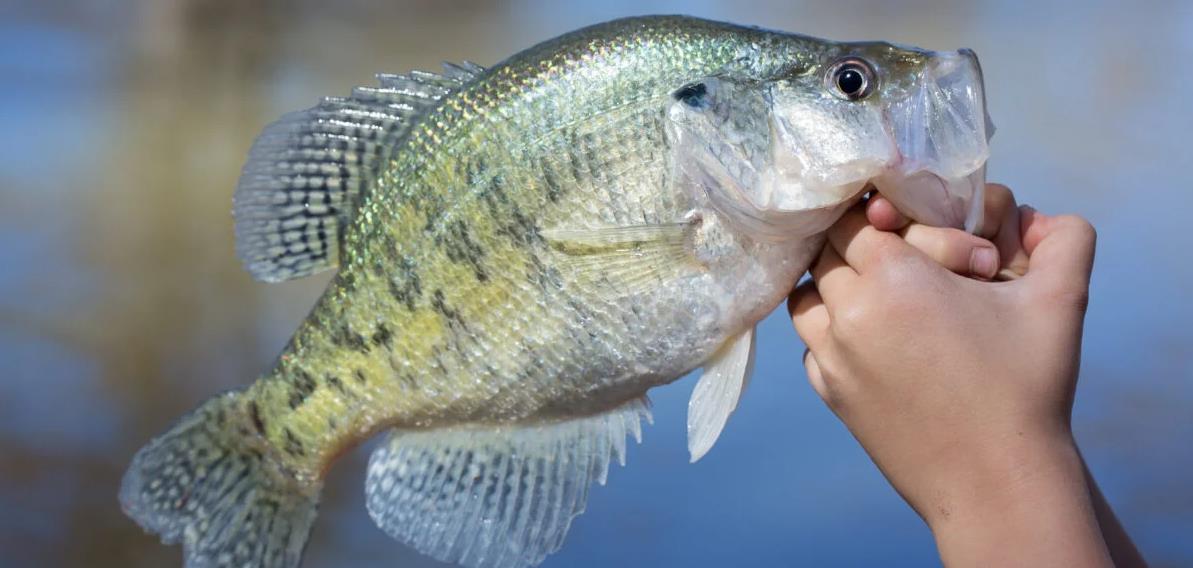
2. Black Crappie (Schooling Fish = Quick Limits)
Crappie, both black and white, are another beginner home run. They travel in huge schools, so once you locate a school, you’ll catch fish after fish after fish. They’re abundant across North America and offer a solid fight for their size.
Why it’s easy: They’re opportunistic feeders and will hit live minnows, jigs, or even small spinners. The key is finding their school—once you do, the action is nonstop.
Where to find them: Freshwater lakes, rivers, and reservoirs. They often hang around submerged trees, brush piles, or drop-offs. In spring, they move to shallow water to spawn; in summer, they go deeper.
Bait/Lure: Live minnows are unbeatable, but a small 1/16oz jig (white, chartreuse, or black) works just as well. Use a slip bobber to keep your bait at the right depth.
My story: A few years back, I took a friend who’d never fished before out for crappie on the Mississippi River. We found a brush pile, dropped a minnow down, and boom—first cast, a crappie. By sunset, we had a cooler full. He couldn’t believe how simple it was. I told him, “That’s the beauty of crappie; they don’t play games.”
3. Channel Catfish (The Ultimate “Bait & Wait” Fish)
If you want a sure thing, go for catfish. They’re bottom feeders with an incredible sense of smell, so they’ll find your bait almost anywhere. They’re found in just about every freshwater body in North America, from small farm ponds to big rivers.
Why it’s easy: Catfish will eat just about anything—chicken liver, nightcrawlers, shrimp, even stink bait. You don’t need fancy gear; a simple rod and reel with a weight on the bottom will do. They’re strong fighters, so you’ll feel the pull, but they’re not as tricky as bass or trout.
Where to find them: Rivers, lakes, reservoirs, and even some coastal marshes. Look for deep holes, rocky bottoms, or areas with current.
Bait/Lure: Chicken liver (my go-to), nightcrawlers, shrimp, or prepared stink bait. Use a circle hook to reduce gut hooking.
My story: I taught my nephew, Luke, to fish for catfish when he was 10. We used chicken liver (which he thought was gross, but it worked). We set the rods down and went to swim for 20 minutes. When we came back, both rods had bent double with catfish. He was hooked—literally and figuratively. Catfish are the fish that turn casual anglers into lifelong fishermen.
4. Yellow Perch (Great Tasting & Easy to Catch)
Yellow perch are a staple in the Great Lakes region and are found across much of the northern U.S. and Canada. They’re small, colorful, and abundant, making them a perfect beginner target.
Why it’s easy: Perch are schooling fish and will hit small jigs, minnows, or even small spinners. They’re not shy, and they bite year-round—even in winter for ice fishing.
Where to find them: Freshwater lakes, rivers, and the Great Lakes. They prefer cool, clear water and often hang around weed beds or drop-offs.
Bait/Lure: Small minnows, 1/32oz jigs (in pink, white, or yellow), or small spinners. Use a bobber to keep your bait at mid-depth.
My story: I used to fish perch with my dad on Lake Erie every spring. We’d use tiny jigs and catch limits in a couple of hours. The best part? Perch taste amazing—fried whole, they’re a classic. I’ve taken many beginners out for perch, and they always leave with a smile and a cooler full of fresh fish.
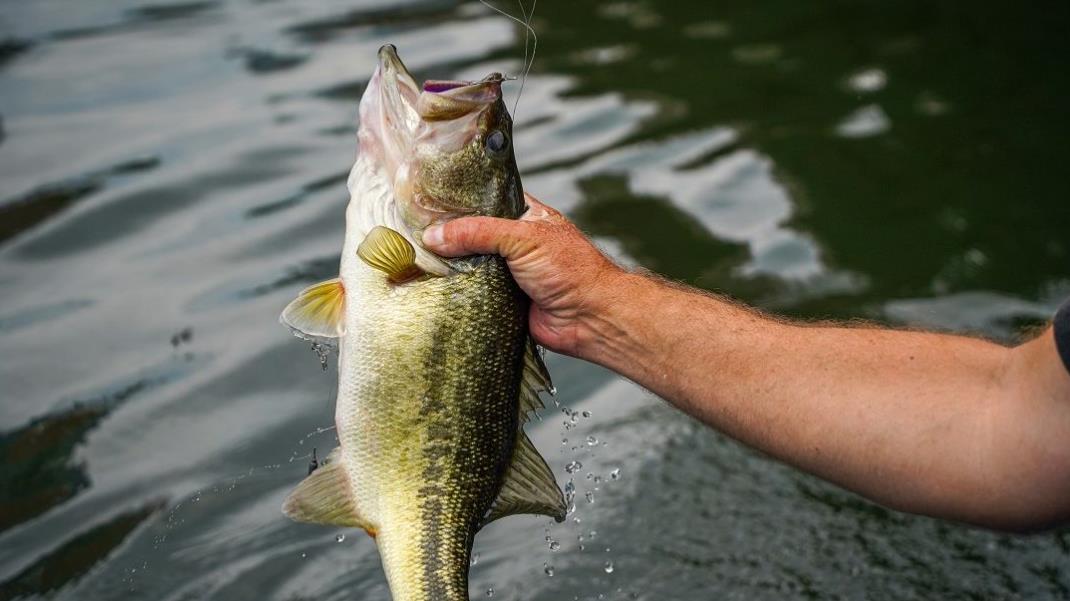
5. Largemouth Bass (The Iconic Freshwater Game Fish)
Largemouth bass are the most popular game fish in North America for a reason. They’re aggressive, put up a great fight, and are found in just about every freshwater lake and river. The good news for beginners? They’re not that hard to catch.
Why it’s easy: Bass will hit a variety of lures and baits. Start with something simple—no need for a fancy setup. They’re predators, so they’ll strike at moving bait. You can fish for them from shore or a boat.
Where to find them: Lakes, rivers, ponds, and reservoirs. Look for shallow water near weed beds, fallen trees, docks, or rocky areas. In summer, they’ll move to deeper water, but in spring and fall, they’re shallow and easy to target.
Bait/Lure: Plastic worms (green pumpkin or black), spinnerbaits, or topwater frogs. Start with a plastic worm rigged weedless—it’s weedless, so you can fish in grass where bass hide.
My story: I took a friend, Mark, who’d never fished for bass before. I gave him a plastic worm and told him to cast it into the grass and reel it slow. On his first cast into a patch of lily pads, he hooked a nice 5-pound bass. He was shocked. I told him, “Bass are dumb—they just want to eat. You don’t need to be a pro to catch them.”
6. Pumpkinseed Sunfish (Colorful & Feisty)
Pumpkinseed sunfish are a close relative of the bluegill and are just as easy to catch. They’re colorful—with orange bellies and blue spots—and are found in ponds, lakes, and slow-moving rivers across much of North America.
Why it’s easy: They’re aggressive biters and will hit worms, crickets, or small jigs. They’re small, so they’re perfect for kids or beginners who want a quick catch.
Where to find them: Shallow, weedy ponds, lakes, and rivers. Look for areas with vegetation or cover.
Bait/Lure: Nightcrawlers, crickets, or a tiny jig. A bobber is essential here—watch for it to bounce or dip.
My story: I used to fish pumpkinseeds with my son when he was little. We’d go to a small pond near our house, and he’d catch them one after another. They’re fun because they put up a good fight for their size, and they’re pretty to look at. They’re a great way to get kids excited about fishing.
7. Brook Trout (Beautiful & Cooperative in Streams)
Brook trout are found in cold, clear streams and lakes across the northern U.S. and Canada. They’re beautiful—with red spots and blue halos—and are a favorite among anglers. The good news for beginners? They’re not that hard to catch in small streams.
Why it’s easy: Brook trout are visual feeders and will hit small spinners, spoons, or live bait like worms or minnows. They’re often found in shallow water, making them easy to target from shore.
Where to find them: Cold, clear streams, rivers, and lakes. Look for riffles, pools, or areas with rocks and current.
Bait/Lure: Small spinners (Mepps is a classic), spoons, or a nightcrawler under a bobber. Use light line (2-4lb test) for a better feel.
My story: I took a friend, Sarah, fishing for brook trout in a small stream in the Adirondacks. She used a small spinner, and on her first cast, she hooked a beautiful brook trout. She was thrilled. Brook trout are a bit more selective than bluegill, but in small streams, they’re pretty cooperative for beginners.
8. Common Carp (The “King” of the Shore Fisherman)
Carp are found in lakes, rivers, and marshes across North America. They’re big—often 10-20 pounds—and are a lot of fun to catch. They’re bottom feeders, so you’ll need to fish on the bottom, but they’re not that hard to hook.
Why it is easy: Carp will eat a variety of baits, including corn, boilies, nightcrawlers, and even bread. They’re often found in shallow water, making them easy to target from shore. You don’t need a boat; you can fish for them from the bank.
Where to find them: Lakes, rivers, marshes, and even some ponds. Look for shallow, weedy areas or areas with mud bottoms.
Bait/Lure: Corn (canned or fresh), boilies, nightcrawlers, or bread. Use a hair rig or a simple bottom rig with a weight.
My story: I’ve caught more carp from shore than any other fish. I use corn and a simple bottom rig. I’ve had beginners catch carp on their first cast, and it’s always a big thrill. Carp are strong fighters, so you’ll feel the pull, and they’re a great challenge for beginners who want to step up their game a bit.
9. White Bass (Fast Action & Abundant)
White bass are found in rivers, lakes, and reservoirs across much of North America, especially in the Midwest and southern U.S. They’re small—usually 1-3 pounds—but they put up a great fight and are abundant.
Why it’s easy: White bass are schooling fish and will hit small jigs, spinners, or live minnows. They’re aggressive biters and will provide fast action for beginners.
Where to find them: Rivers, lakes, and reservoirs. Look for areas with current, drop-offs, or schools of baitfish.
Bait/Lure: Small jigs, spinners, or live minnows. Use a light rod and reel for a better fight.
My story: I used to fish white bass on the Arkansas River every spring during their run. We’d use small jigs and catch limits in a couple of hours. The action was nonstop—we’d catch a fish, reel it in, and cast again. White bass are perfect for beginners because they provide quick rewards and a fun fight.
10. Green Sunfish (Tough & Eager to Bite)
Green sunfish are another sunfish species that’s perfect for beginners. They’re found in ponds, lakes, and slow-moving rivers across much of North America. They’re tough little fish—they’ll put up a good fight—and they’re not picky eaters.
Why it’s easy: Green sunfish will hit worms, crickets, or small jigs. They’re aggressive biters and will provide quick catches for beginners. They’re small, so they’re easy to reel in.
Where to find them: Shallow, weedy ponds, lakes, and rivers. Look for areas with vegetation or cover.
Bait/Lure: Nightcrawlers, crickets, or a tiny jig. A bobber is essential here—watch for it to bounce or dip.
My story: I’ve fished green sunfish with my friends on many occasions. They’re always a hit because they bite so readily. I once took a group of beginners out for green sunfish, and by the end of the day, everyone had caught at least one. They’re a great fish for beginners who want to have a successful day on the water.
Tom’s Beginner Fishing Golden Rules (Guaranteed to Work)
After 30 years of teaching beginners to fish, I’ve got 5 rules that will ensure success every time. Follow these, and you’ll catch fish no matter what.
- Keep it Simple: The best angler is the one who doesn’t overcomplicate things. Use simple bait (worms, minnows, corn), simple gear (a rod and reel with a bobber), and simple techniques (cast, wait, reel). You don’t need a fancy tackle box or a $200 rod.
- Fish Shallow, Fish Near Cover: Most easy-to-catch fish (bluegill, crappie, sunfish) hang out in shallow water near weed beds, docks, or fallen trees. This is where the food is, and it’s where the fish are.
- Use a Bobber: A bobber is your best friend as a beginner. It lets you know when a fish bites, takes the guesswork out of depth, and makes fishing more fun. You can catch fish without a bobber, but it’s harder for a beginner.
- Be Patient (But Not Too Patient): Fishing takes patience, but you don’t want to sit in one spot for 6 hours if there are no fish. Move around, try different spots, change your bait if you’re not getting bites. But once you find a spot with fish, stay there.
- Have Fun: Fishing is about more than catching fish. It’s about being outdoors, spending time with friends and family, and enjoying nature. If you catch a fish, great; if not, you still had a good day.
Final Thoughts: Anyone Can Catch Fish
Fellas, the next time someone asks you, “What’s the easiest fish to catch?” tell them about these 10. These are the fish that will turn a first-time angler into a lifelong fisherman, that will make your kid’s day, and that will make your weekend fishing trip a success.
I’ve taken beginners out for bluegill, crappie, catfish, and bass, and every single one of them has caught a fish. It’s not about luck; it’s about choosing the right fish, using the right bait, and being in the right spot.
So grab your rod, grab some worms, and get out on the water. The fish are waiting, and they’re ready to bite. Tight lines, fellas—see you out there.
– Tom, Your Local Fishing Guy Who’s Put Hundreds of Beginners on the Board