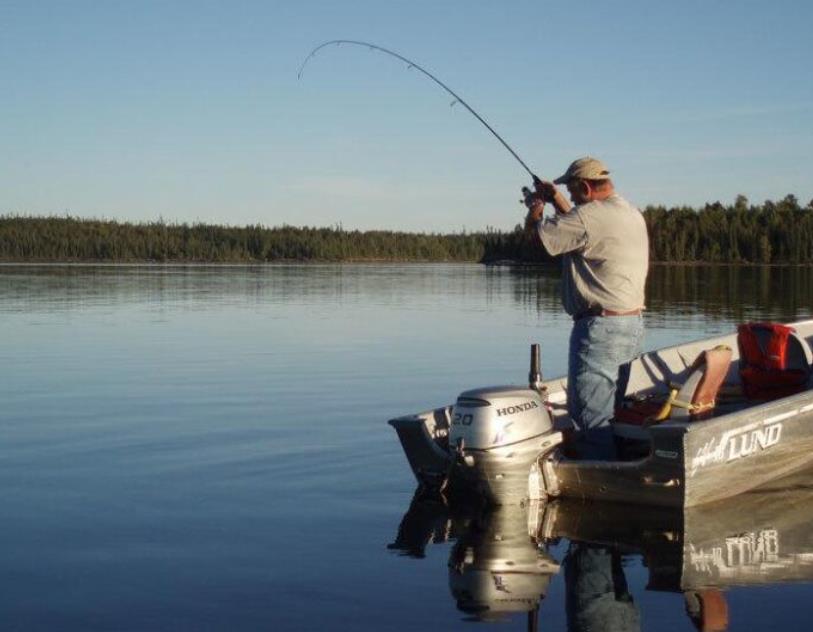
Hey guys, Tom here. Lately, I’ve been getting hit with the same question over and over: “Tom, should I start with shore fishing or boat fishing?” Let me cut to the chase first – there’s no “better” option. Both have their highs and lows, and the right choice depends on what you want out of your fishing trip, your budget, and even your patience (trust me, I’ve learned that the hard way).
I’ve spent half my life with my feet in the sand or on a dock (shore fishing) and the other half on everything from a beat-up 12-foot aluminum rowboat to a fully rigged offshore fishing vessel. I’ve caught 10lb bass from the bank and 30lb redfish from a boat. I’ve also gotten sunburned half to death standing on a pier and spent $500 on boat repairs after a stupid mistake. Today, I’m breaking down the real pros and cons of each – no hype, no fluff, just the hard truths I’ve learned over 25 years of chasing fish. Let’s settle this once and for all.
First, Let’s Get Clear: What Even Are We Talking About?
Before we dive into the pros and cons, let’s make sure we’re on the same page. Shore fishing is exactly what it sounds like – fishing from dry land: piers, docks, beaches, riverbanks, lake shores, even the edge of a pond. It’s the most accessible way to fish, and it’s where 99% of us started (myself included). Boat fishing, on the other hand, covers everything from a tiny kayak or canoe to a big offshore boat – basically, any vessel that gets you out on the water, away from the shore. There’s inshore boat fishing (close to the coast, calm waters, like bays or estuaries) and offshore boat fishing (deep, open waters, farther from land), but we’ll keep it simple for now – the core pros and cons apply to most boat setups.
Shore Fishing: The Underdog That’s Way More Than “Beginner Gear”
Most people write off shore fishing as “beginner stuff,” but let me tell you – I still spend more weekends on the shore than on a boat. It’s low-key, affordable, and can be just as rewarding as boat fishing if you know what you’re doing. Here’s the good, the bad, and the ugly (from someone who’s been there):
Shore Fishing Pros (The Stuff I Love)
- Zero Cost Barrier (Mostly): The biggest win for shore fishing? You don’t need to drop thousands on a boat, trailer, or gas. All you need is your rod, some tackle, and a spot to stand – and most public shores, piers, and docks are free. When I was 18, I fished off the local pier every weekend with a $30 rod I bought at a garage sale and caught more fish than my buddy who had a $2,000 boat. You don’t need money to catch fish – you need patience and a little know-how. Even better, you avoid the hidden costs of boat ownership: insurance, maintenance, storage fees, and the inevitable repair bills (more on that later).
- Low Stress, High Relaxation: There’s something about being on solid ground, listening to the waves or the wind in the trees, that makes shore fishing feel like a retreat – not a chore. You don’t have to worry about launching the boat, checking the engine, or fighting the current. You can set up a chair, crack a cold drink, and cast at your own pace. I once spent 6 hours on a lake shore, caught only one small bass, and still left happier than I did on a boat trip where we caught 20 fish. It’s about the experience, not just the catch – and shore fishing nails that.
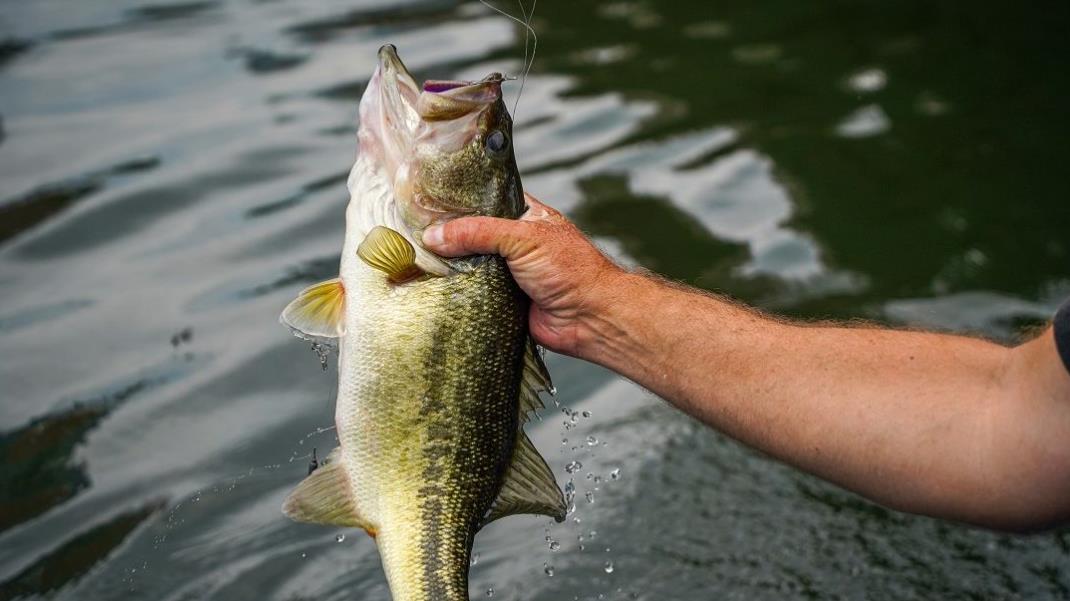
- Surprisingly Great Fish Access: Here’s a myth I hear all the time: “You can’t catch big fish from the shore.” Total garbage. I caught my personal best bass (12lb) from a gravel bank on a small lake – no boat, no fancy gear, just a worm and a little luck. Some of the best fishing spots are right along the shore: drop-offs near docks, weed beds at the edge of lakes, and river mouths where fish gather to feed. I’ve also had great success shore fishing for saltwater species like flounder and redfish – just find a pier or a rocky shoreline at high tide, and you’re in business. In fact, some species, like鲐鱼, actually move closer to shore during high tide, making shore fishing the better option for targeting them.
- Easy to Master (For Beginners): If you’re new to fishing, shore fishing is the way to go. You don’t have to learn how to operate a boat, read water currents from the middle of the lake, or worry about getting stranded. You can practice casting, tying knots, and reading bites without the added stress of navigating a vessel. When I teach new anglers, I always start them on the shore – it lets them focus on the basics, not the boat. Plus, you can pack light: just a tackle box, rod, and a chair – no need to load up a trailer or carry heavy gear.
Shore Fishing Cons (The Stuff That Makes Me Want to Throw My Rod)
- Limited Reach: This is the biggest downside. You’re stuck to the area you can cast to from shore – you can’t reach deep water, far-off weed beds, or the middle of a lake where big fish might be hiding. I once spent a whole morning on a lake shore, casting as far as I could, only to watch a guy in a small boat catch 5 bass right in the spot I couldn’t reach. It’s frustrating, but it’s part of the game. You have to work with the space you have, and sometimes that means you miss out on prime spots. For example, offshore species like deep-sea snapper or large tuna are basically impossible to target from shore – you need a boat to get to their habitat.
- Crowds (Ugh): The best shore fishing spots are usually public, which means you’ll be sharing them with other anglers, dogs, kids, and people who just want to walk around. I’ve had my line tangled by a guy casting next to me, had a dog steal my bait, and even had someone stand right in front of me while I was fishing. It’s not always bad, but it can ruin a peaceful trip. I once drove 45 minutes to my favorite pier, only to find it packed with people – I turned around and went home. If you want solitude, shore fishing can be hit or miss, especially on weekends or holidays.
- Terrain Troubles: Not all shorelines are created equal. Some are rocky, slippery, or covered in weeds – making it hard to stand, cast, or even walk. I once slipped on a wet rock while fishing a river shore and landed flat on my back, ruining my tackle box and getting a black eye. Other spots are muddy, so you’ll end up with boots covered in muck (trust me, cleaning that off is no fun). And if you’re fishing from a pier, you have to deal with railings that get in the way of your cast – I’ve hooked the railing more times than I care to admit. You also have to be careful with your line around rocks and weeds – snags are way more common from shore, and I’ve lost countless hooks and lures to underwater rocks or tangled weeds.
- Weather Is a Big Factor: When you’re on the shore, you’re fully exposed to the elements. If it’s windy, your cast will go everywhere. If it’s raining, you’re soaked. If it’s 90 degrees, you’re sunburned (I’ve made that mistake – SPF is your friend). On a boat, you can sometimes find shelter, but on the shore? You’re at the mercy of Mother Nature. I once sat through a 30-minute downpour on a pier, holding my rod under a tiny umbrella, just because I was determined to catch a fish. Spoiler: I didn’t catch anything, and I ended up with a cold. Not worth it.
Boat Fishing: The “Fancy” Option That’s Worth It (Sometimes)
Boat fishing gets a lot of hype – and for good reason. It lets you go where the fish are, and it can make your trip more productive. But it’s not all sunshine and big catches – I’ve learned that the hard way. Here’s the real scoop on boat fishing, from someone who’s owned 3 boats and made every mistake possible:
Boat Fishing Pros (The Stuff That Makes It Worth the Hassle)
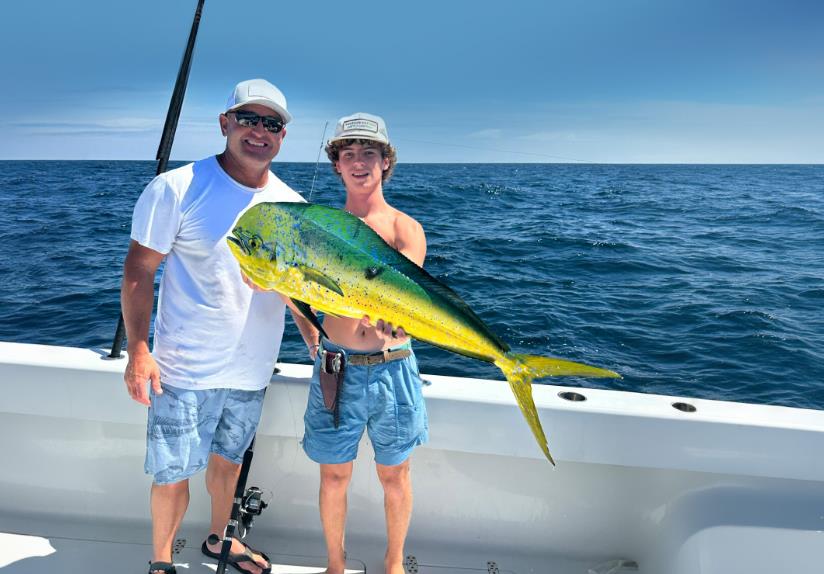
- Unlimited Access to Fish: This is the biggest advantage of boat fishing – you can go anywhere. Deep water, remote coves, far-off reefs, the middle of the lake – wherever the fish are hiding, you can get there. I once took my small aluminum boat out on a lake and found a hidden cove with thick weed beds – I caught 12 bass in an hour, something I never could have done from shore. Boat fishing also lets you target species that are hard to reach from land, like deep-water trout, offshore redfish, or even small sharks in saltwater. For example, inshore boat fishing (close to shore, calm waters) lets you target species like flounder and snook, while offshore boat fishing (deep, open waters) lets you go after bigger game like marlin or tuna. It’s a game-changer for serious anglers.
- Better Control Over Your Setup: When you’re in a boat, you can position yourself exactly where you want – right over a drop-off, next to a weed bed, or in the middle of a school of fish. You can adjust your depth, move with the current, and even follow fish if you see them jumping. I use a fish finder on my boat, which lets me see where the fish are hiding – it’s like cheating (but in a good way). You also have more room to cast, no railings or rocks to get in the way. And if the wind picks up, you can move to a calmer spot – something you can’t do from shore. For boat fishing, I use a shorter, sturdier rod (around 5-6 feet) with a baitcaster reel – it’s perfect for precise casting from a boat, and the sturdier rod handles bigger fish better than a shore fishing rod.
- Solitude (When You Want It)
- More Versatile Fishing Styles: Boat fishing lets you try styles you can’t do from shore – like trolling, drift fishing, or deep drop fishing. Trolling is my favorite: you drag lures behind the boat as you slowly move, covering more water and increasing your chances of catching fish. I’ve caught more salmon and trout trolling from my boat than I ever have from shore. Drift fishing is great for rivers – you let the current carry your boat, and you cast to spots along the way. Deep drop fishing lets you target fish that live in deep water, like grouper or snapper – something you can’t do from shore no matter how hard you cast. You can also use techniques like chumming (spreading bait in the water to attract fish) when you’re in a boat – a trick that’s hard to pull off from shore.
Boat Fishing Cons (The Stuff No One Tells You About)
- It’s Expensive – Like, Really Expensive: Let’s start with the elephant in the room: boats cost a fortune. Even a small used aluminum boat will set you back $1,000-$5,000, and that’s before you add a trailer, motor, gas, insurance, and storage. I bought my first boat (a 12-foot rowboat with a small outboard motor) for $1,200, and I spent another $500 on repairs in the first year. Then there’s gas – my boat gets about 5 miles per gallon, so a day trip can cost $40-$50 in gas alone. And don’t forget maintenance: changing the oil, fixing the motor, patching leaks – it never ends. I once had to replace the motor on my boat for $800 – that’s more than I spent on all my shore fishing gear combined. If you’re on a budget, boat fishing is probably not for you.
- It’s a Lot of Work: Boat fishing isn’t just “hop in and go.” You have to load the boat onto the trailer, back it into the water, launch it, and then do the reverse when you’re done. That’s tiring, especially if you’re doing it alone. I once spent 45 minutes trying to back my boat into the water – I ended up getting stuck in the mud, and I had to ask a stranger for help. Then there’s cleaning the boat after the trip – scrubbing off algae, emptying the bilge, and putting everything away. It’s a chore, and it takes away from the “relaxation” factor. And if your motor breaks down (which it will, trust me), you’re stuck – I once had my motor die in the middle of a lake, and I had to row back to shore. It took me 2 hours, and I was exhausted by the time I got back.
- Safety Risks: Being on the water is risky – even in a small boat. You have to worry about capsizing, strong currents, bad weather, and even other boats. I once got caught in a thunderstorm while out on my boat – the wind was so strong, I could barely control the boat, and I thought I was going to capsize. I made it back safely, but I learned my lesson: always check the weather before you go. You also need to have safety gear: life jackets, a first-aid kit, a radio, and flares. I never go out without my life jacket – even in calm water. And if you’re fishing alone, make sure someone knows where you are. I once went out fishing alone and got lost – I spent an hour trying to find my way back to shore. It was scary, and I’ll never do that again. Safety should always be your top priority – especially when you’re out on the water.
- More Gear = More Hassle: Boat fishing requires more gear than shore fishing. You need a fish finder, anchors, oars, a bilge pump, extra gas, and more tackle. It’s a lot to carry, and it’s easy to forget something. I once forgot my anchor and had to tie my boat to a tree – it drifted away while I was fishing, and I had to swim out to get it. Not fun. You also have to make sure your gear is secure – if you hit a wave, everything can go flying. I’ve lost tackle boxes, rods, and even a cooler overboard. It’s frustrating, and it’s a waste of money.
My Personal Verdict: Which One Should You Choose?
Guys, here’s the truth: I love both. But if I had to give you a straight answer, it depends on you:
If you’re a beginner, on a budget, or just want to relax and fish without the hassle – go with shore fishing. It’s easy, affordable, and you can still catch great fish. Start with a simple spinning combo (like the Ugly Stik GX2 I recommended in my last article), some nightcrawlers, and a small tackle box. Find a local pier or lake shore, and practice. You’ll be hooked in no time. And remember, shore fishing doesn’t mean you’re “less of an angler” – some of the best fishermen I know only fish from shore.
If you’re serious about fishing, want to target bigger fish, or crave solitude – boat fishing is worth the investment. But start small – don’t drop $10,000 on a fancy boat right away. Buy a used small boat or rent one first to see if you like it. I started with a cheap rowboat, and I worked my way up. And always, always prioritize safety – it’s not worth risking your life for a fish.
My personal routine? I fish shore on weeknights (quick, easy, no hassle) and boat on weekends (when I have more time to deal with the work). I’ve had amazing days on both, and I’ve had terrible days on both. At the end of the day, fishing is about having fun – not about whether you’re on shore or in a boat.
Final Pro Tips (From Someone Who’s Been There)
- For shore fishing: Invest in a good pair of non-slip boots (trust me, you’ll thank me when you don’t slip on wet rocks). Bring a chair, SPF, and plenty of water. And learn to read the water – look for drop-offs, weed beds, and current breaks – those are where the fish hide. Also, use the right gear: a 6’6” to 7’ medium-power spinning rod is perfect for most shore fishing, and 8lb monofilament line works great for freshwater and light saltwater. For saltwater shore fishing, like targeting鲐鱼, use a 2-3 foot spinning rod with 20-30lb test line and small hooks baited with shrimp or sand蚕.
- For boat fishing: Always check the weather before you go. Bring extra gas and a spare tire for your trailer. Invest in a fish finder – it’s worth every penny. And don’t forget your life jacket – even if you’re a strong swimmer. For inshore boat fishing, use a 4.5-6.5 foot lightweight rod with 20lb test line and a spinning reel. For offshore boat fishing, use a shorter, sturdier rod (3 feet or less) with 30-50lb test line and a non-casting reel – it’s better for handling big, strong fish. Also, don’t forget a landing net – it’s easy to drop a big fish while trying to lift it into the boat.
- No matter which you choose: Patience is key. You’re not going to catch fish every time – and that’s okay. I’ve had days where I caught nothing, and days where I couldn’t keep up. The more you fish, the better you’ll get. And don’t be afraid to ask for help – I once asked a guy on a pier for tips, and he ended up teaching me how to catch redfish from shore. We’ve been fishing buddies for 15 years.
At the end of the day, it’s not about shore vs. boat – it’s about getting out there and enjoying the water. Whether you’re standing on a pier or sitting in a boat, the feeling of hooking a fish is the same. So grab your gear, pick your spot, and let’s go fishing.
If you have questions, hit me up. I’m happy to take you out on the shore or my boat and show you the ropes – no judgment, just good company and hopefully some fish. Tight lines, fellas.
– Tom, Your Local Fishing Guy Who’s Fished Both Sides (And Made Every Mistake)