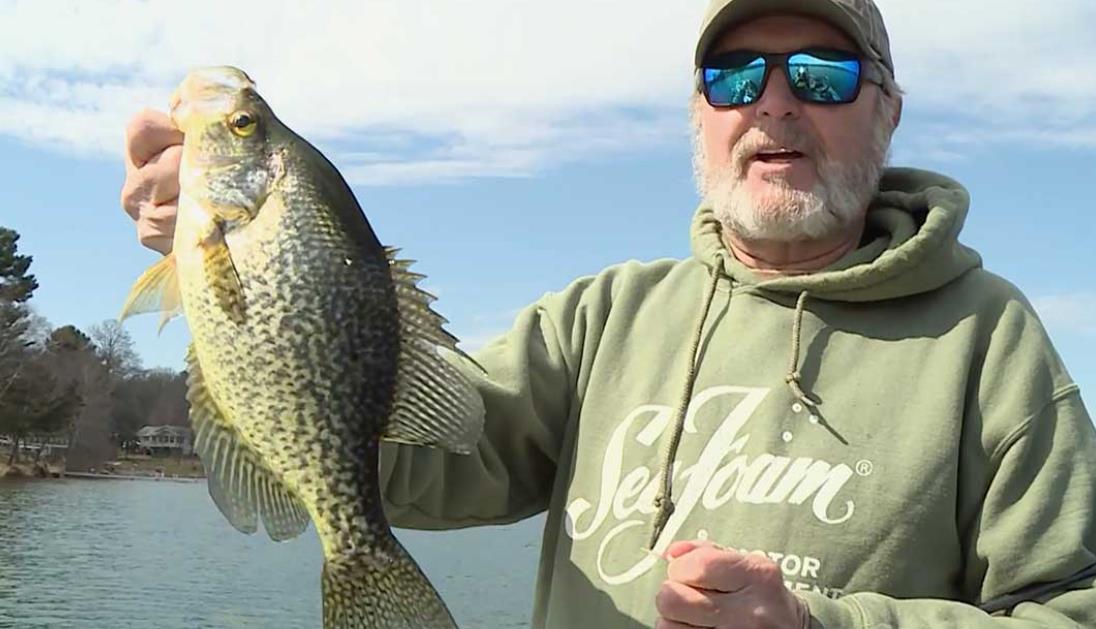
Hey guys, Tom here. If you’ve been bugging me lately about how I consistently pull in slabs (and not just the tiny ones) no matter what time of year it is, you’re in luck. I’ve been chasing Crappie across 15 states over the past 22 years—from the clear lakes of East Texas to the murky reservoirs of Missouri, and even the nutrient-rich waters of Florida—and I’ve learned one thing: catching Crappie isn’t about luck. It’s about understanding their habits, adapting to the seasons, and ditching the rookie mistakes that even some “experienced” anglers make. Today, I’m spilling my real-world, tested strategies—no fluff, no hype, just the stuff that’s put hundreds of Crappie in my cooler (and kept my friends asking for more).
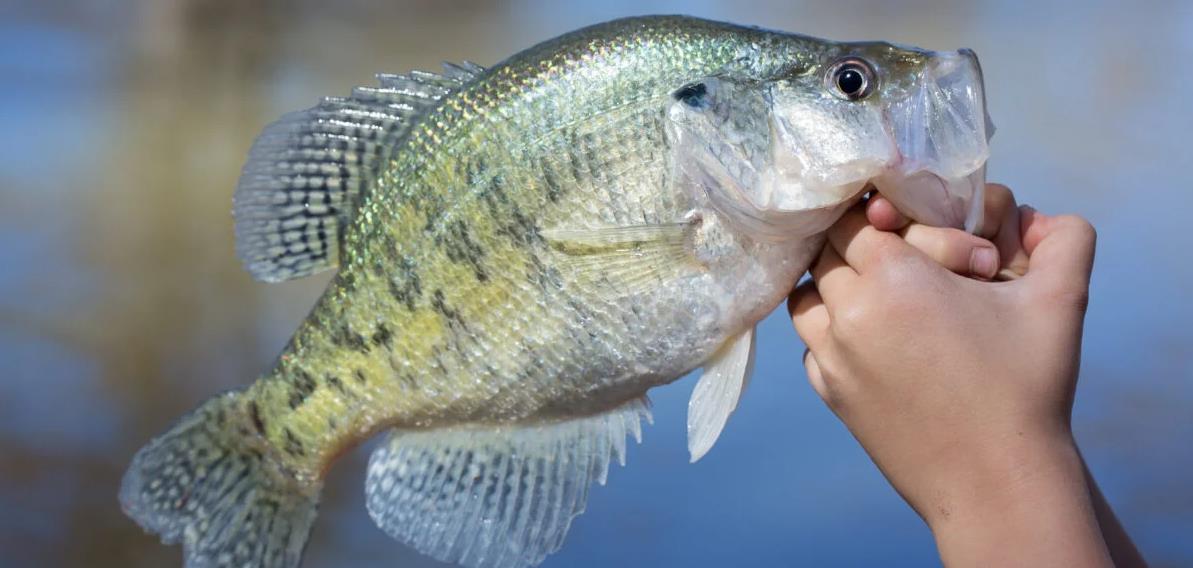
First, let’s get one thing straight: Crappie are two distinct species—black and white—and knowing the difference will save you hours of frustration. Black Crappie (the ones with the random black spots and 7-8 dorsal spines) love clear, slightly acidic water with vegetation, while White Crappie (vertical bars, 5-6 dorsal spines) tolerate murkier water and even a little current. I learned this the hard way 10 years ago on Lake Talquin, Florida—spent a whole day tossing jigs at what I thought were Black Crappie, only to realize I was fishing murky coves where White Crappie hang out. Swapped to a slightly larger jig, slowed down my retrieve, and boom—limit in an hour. Lesson: Know your fish, know your water.
Spring: The Spawn Bonanza (My Favorite Time to Fish)
Spring is when Crappie get stupid aggressive—and it’s when I catch some of my biggest slabs. The action kicks off when water temps hit 60°F, peaks between 68-72°F, and wraps up by mid-May (earlier in the South, later in the North). Here’s the secret: They’re not just in shallow water—they’re in protected shallow water. Think back coves, under overhanging banks, flooded brush, or pea gravel banks—places where they can nest in colonies without getting eaten by bass (yes, bass and Crappie prey on each other, so avoiding bass-heavy spots is key).
My go-to setup for spring? A 6-foot ultralight spinning rod with 4-pound test line, a 1/32-ounce jig (chartreuse or white—match the baitfish), and a live minnow tipped on the hook. I’ve tried every jig color under the sun, and let me tell you: on cloudy days, purple outperforms chartreuse 10-to-1. Don’t ask why—it just does. Last spring, I took my buddy Jake out on Weiss Lake, Alabama—we hit a cove with submerged timber at 2-4 feet deep, and by 10:30 a.m., we had 80 Crappie, 10 inches or better. Jake kept asking how I knew they were there, and the answer was simple: I watched the water. If you see small ripples near the brush, that’s Crappie guarding their nests—cast quiet, let the jig sink, and twitch it slowly. Most bites are soft, so keep a tight line but don’t yank—you’ll pull the hook right out of their paper-thin mouths.
Pro tip (from 20+ years of mistakes): If a cold front hits, don’t pack up. Crappie don’t go far—they just move to steep banks near the shallows. I once fished through a spring cold front on a Missouri lake, moved from 3-foot shallows to a 6-foot steep bank, and caught 30 Crappie while everyone else left. They’re lazy when it’s cold, so slow down your retrieve—like, snail-pace slow.
Summer: Beat the Heat (And Catch Crappie When Others Can’t)
Summer is when most anglers throw in the towel—water temps climb above 80°F, and Crappie disappear from the shallows. But here’s the truth: They’re not gone—they’re just hiding in deeper, cooler water near structure. I target brush piles, standing timber, and bridge piers in 15-20 feet of water, right above the thermocline (the layer where water gets suddenly cooler). Crappie suspend here because it’s cool, there’s cover, and baitfish are abundant.
Vertical jigging is my bread and butter in summer. I use a 1/8-ounce jig (heavier to reach depth fast) and drop it straight down to the brush, then work it with short, slow lifts. The key is to keep the jig in the “strike zone”—usually 10-15 feet down—for as long as possible. I once spent 45 minutes on a single brush pile in Texas, adjusting my depth by 6 inches at a time, and pulled out 25 Crappie. Most guys move too fast—they drop the jig, twitch once, and move on. Crappie are lazy in the heat; you have to meet them where they are.
Night fishing is another summer secret. I’ve been doing this for years—set up a floating light near the boat, and the insects and baitfish come swarming, which lures in Crappie. Use a slip bobber rig with a live minnow, set the depth to 8-10 feet, and wait. Last July, I fished a dock with floodlights in Florida—caught 40 Crappie between 8 p.m. and midnight, all 12 inches or bigger. The best part? No one else was out there. Most anglers don’t want to fight the heat, so you have the water to yourself.
One more summer tip: Don’t use heavy tackle. I see guys using bass rods for Crappie, and they wonder why they’re not catching anything. Crappie have soft mouths—heavy line and rods will yank the hook, and you’ll miss half your bites. Stick to ultralight gear—it makes all the difference.
Fall: The Feeding Frenzy (Stock Up for Winter)
Fall is underrated—Crappie are fattening up for winter, so they’re feeding aggressively. As water temps drop to 55-65°F, they move from deep water back to mid-depths (8-12 feet) near creek mouths, brush piles, and drop-offs. They school up tight this time of year, so once you find one, you’ll find dozens.
My fall strategy is a mix of trolling and jigging. I troll slow—1/10 of a mile per hour (yes, that slow) with a 1/16-ounce jig tipped with a minnow, following creek channels. I made a homemade speedometer for my trolling motor years ago (just a small propeller attached to the foot) because most trolling motors don’t measure speeds that slow—and let me tell you, that little gadget has doubled my fall catch. By trolling just a hair slower, I keep the jig in front of the Crappie longer, and they can’t resist it.
Last fall, I fished a reservoir in Kansas—we trolled a creek channel for 2 hours, and every time the depth finder showed a school, we stopped and vertical jigged. Ended up with 70 Crappie, and half of them were 13 inches or bigger. The mistake most guys make? Trolling too fast. Crappie can’t keep up, so they won’t chase the bait. Slow down, and let them come to you.
Color matters in fall too. I switch to darker jigs—brown, black, or dark green—because the water is clearer, and darker colors mimic the baitfish (minnows and insect larvae) that Crappie are feasting on. I also downsize my jig if the fish are nibbling but not committing—sometimes a 1/32-ounce jig is too big, and a tiny 1/64-ounce will do the trick.
Winter: The Tough Season (But Worth the Effort)
Winter is when the posers stay home—and the real anglers get their best slabs. Crappie slow down in water temps below 50°F, but they still feed—just not as often. They form tight schools in deep water (20-30 feet) near structure, like brush piles or bridge piers, and they won’t move far for food. The key here is patience—and knowing exactly where to look.
I use a 7-foot ultralight rod with 6-pound test line (a little heavier to handle the cold) and a 1/8-ounce jig (to sink fast). I drop it straight down to the structure, then let it sit for 30 seconds—sometimes longer. Crappie are sluggish, so they won’t chase the bait; you have to put it right in front of their faces. I once sat on a brush pile in Texas for an hour, moving the jig just an inch every minute, and caught 15 big slabs. It’s boring, but it works.
Another winter secret: Don’t release big Crappie if the water is cold. I learned this the hard way—caught a 2-pound Crappie in 30-foot water, released it, and watched it die at the surface. The rapid pressure change messes up their swim bladders, so if you’re fishing deep winter water, keep the ones you plan to eat (check local regulations—Texas has a 10-inch minimum and 25-fish daily limit, but other states vary) and release smaller ones gently, lowering them back down with a stringer to equalize pressure.
I also pay attention to the weather—warm, sunny days are best. Crappie will move up a few feet to feed when the sun warms the water, so I adjust my depth accordingly. Last January, I fished a warm spell in Florida—water temps climbed to 52°F, and the Crappie moved up to 15 feet. I caught 20 in 2 hours, while the guys fishing 30 feet deep got nothing.
My Final Secrets (The Ones I Don’t Tell Just Anyone)
After 22 years, I’ve got a few tricks up my sleeve that separate the casual anglers from the ones who consistently catch Crappie:
- Crappie populations are cyclic—expect 2-3 years of great fishing, then 2-3 years of fair to poor. If your lake is in a “down” year, move to a nearby reservoir—they often cycle differently.
- Don’t overlook slip bobbers. They let you pinpoint depth and keep your bait in the strike zone—perfect for spring and fall. I use them 90% of the time, and most guys don’t even carry them.
- Live bait is king, but don’t be afraid to switch to artificial. When the bite is slow, a curly-tail jig in pink or white (tipped with a minnow) will outperform plain live bait every time.
- Pay attention to the moon. Full moons mean Crappie feed more at night—especially in summer and fall. I’ve had my best nights fishing during a full moon, when the water is calm and the baitfish are active.
- Practice catch and release (when safe). I release 90% of the Crappie I catch—big ones reproduce, and small ones grow into big ones. The best fishing spots are the ones where anglers respect the resource.
Guys, at the end of the day, Crappie fishing is about observation and adaptation. I don’t have a “magic” lure or a secret spot— I just pay attention to the water, the weather, and the fish. I’ve made more mistakes than I can count (like that time I forgot my minnow bucket and had to use insects I found on the bank), but those mistakes taught me what works.
Next time you’re out on the water, try these strategies. Start with spring— it’s the easiest time to learn—and work your way through the seasons. And if you’re still struggling? Give me a call. I’ll meet you at the dock with a thermos of coffee, a bucket of minnows, and a few more secrets. Trust me—you’ll be pulling in slabs in no time.
Tight lines, fellas.
— Tom, Your Go-To Crappie Guy