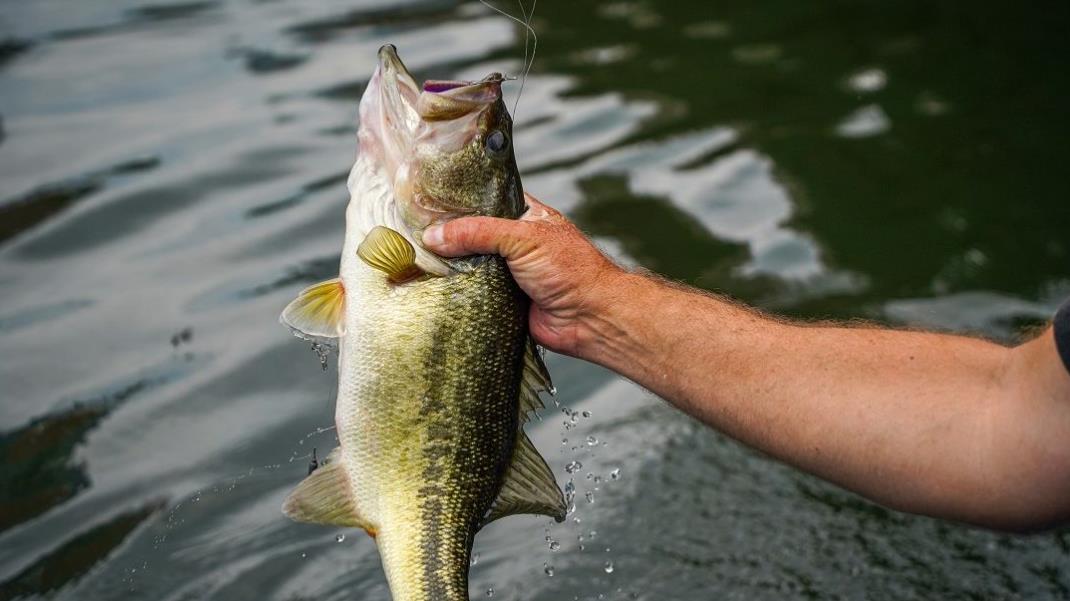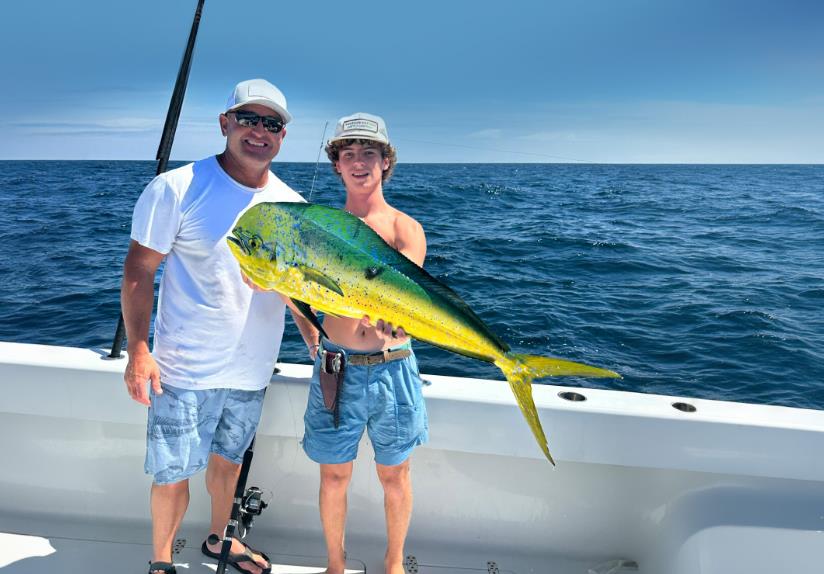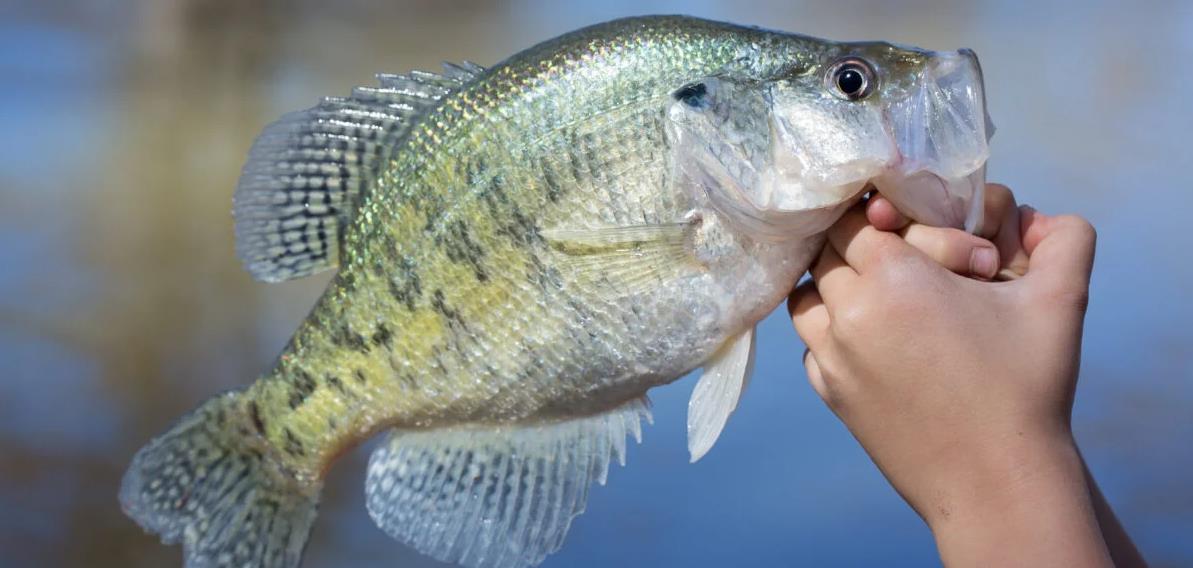
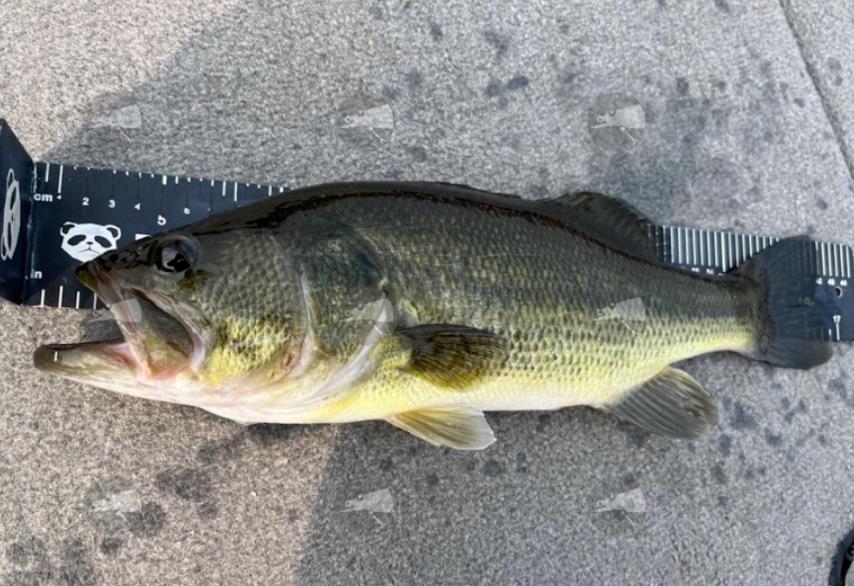
If you had told me years ago that I’d spend most of my free time chasing largemouth bass across lakes, ponds, and reservoirs all over the U.S., I probably wouldn’t have believed you. But here I am—after decades on the water—still learning something new every time I pick up a rod.
Largemouth bass fishing isn’t just a hobby for me. It’s a craft. And like any craft, it takes time, observation, and a lot of trial and error to truly understand.
In this guide, I’m not just going to give you textbook advice. I’m going to share what has actually worked for me—real-world bass fishing techniques, lessons learned the hard way, and the small details that make a big difference when you’re trying to catch bass consistently.
What I Learned Early: Bass Are Predictable—If You Pay Attention
One of the biggest breakthroughs I had as an angler came when I stopped thinking of bass as random and started seeing patterns.
Largemouth bass are opportunistic predators, but they’re not reckless. They conserve energy. They position themselves where food comes to them.
Over the years, I’ve found that bass almost always relate to three things:
- Structure (drop-offs, ledges, points)
- Cover (weeds, wood, docks)
- Food (baitfish, crawfish, insects)
If you can identify those three elements in any body of water, you’re already ahead of most beginners.
One of my favorite early memories was fishing a small lake in the Midwest. I spent hours casting randomly with no luck. Then I noticed a fallen tree near a slight drop-off. First cast next to that tree—I hooked a solid 4-pound bass. That moment changed how I fish forever.
My Go-To Fishing Gear Setup (What I Actually Use)
I’ve experimented with all kinds of gear over the years, but I’ve narrowed things down to setups that just work.
If you’re serious about improving your fishing gear setup, this matters more than people think.
Rod and Reel
Most of the time, I rely on:
- A 7’ medium-heavy baitcasting rod
- Fast action tip for sensitivity
- A reliable baitcasting reel with smooth drag
For finesse techniques, I switch to a spinning setup.
Fishing Line
Here’s what I’ve learned through experience:
- Fluorocarbon is my go-to for clear water and bottom contact
- Braided line is unbeatable in heavy cover
- Monofilament still has its place, especially for topwater
Choosing the right line is one of the most overlooked bass fishing tips, especially for beginners.
The Techniques That Actually Catch Bass (My Personal Playbook)
Let’s get into what really matters—technique.
I’ve tried just about everything, but these are the methods I come back to again and again.
Texas Rig: The Technique I Trust Anywhere
If I could only use one technique for the rest of my life, it would be the Texas rig.
I’ve caught bass with it in:
- Thick weeds
- Rocky bottoms
- Shallow ponds
- Deep reservoirs
How I fish it:
I cast near cover, let it sink, and then barely move it. Most beginners move their bait too much. I’ve learned that less is more.
Sometimes I’ll let it sit for 10–15 seconds. That’s when the bite usually comes.
Personal tip:
If you’re not getting bites, slow down. Then slow down even more.
Jig Fishing: Where I Catch My Biggest Bass
I’ll be honest—jig fishing frustrated me for years. But once it clicked, it became one of my most productive techniques.
Big bass love jigs because they mimic crawfish, which are a high-protein meal.
How I approach it:
- I target heavy cover
- I let the jig hit bottom
- I use short, controlled hops
Most of my personal best bass have come on jigs, especially in colder months.
Spinnerbaits: My Go-To in Tough Conditions
When the water is murky or the wind picks up, I almost always reach for a spinnerbait.
Why?
Because it helps bass find the bait.
The vibration and flash trigger reaction strikes—even from fish that aren’t actively feeding.
One trick I’ve learned:
Change your retrieve speed until you find what works. Some days they want it fast. Other days, painfully slow.
Spinnerbaits: My Go-To in Tough Conditions
When the water is murky or the wind picks up, I almost always reach for a spinnerbait.
Why?
Because it helps bass find the bait.
The vibration and flash trigger reaction strikes—even from fish that aren’t actively feeding.
One trick I’ve learned:
Change your retrieve speed until you find what works. Some days they want it fast. Other days, painfully slow.
Crankbaits: How I Find Active Fish Fast
When I’m fishing a new lake, I often start with crankbaits.
They help me cover water quickly and locate active fish.
Once I get a bite, I slow down and switch techniques.
This is one of the smartest ways to improve your efficiency and is often overlooked in beginner freshwater fishing techniques.
Crankbaits: How I Find Active Fish Fast
When I’m fishing a new lake, I often start with crankbaits.
They help me cover water quickly and locate active fish.
Once I get a bite, I slow down and switch techniques.
This is one of the smartest ways to improve your efficiency and is often overlooked in beginner freshwater fishing techniques.
Seasonal Patterns I Rely On
Understanding seasonal behavior is one of the keys to how to catch bass consistently.
Spring
Bass move shallow to spawn.
This is when I focus on:
- Soft plastics
- Sight fishing
- Precision casting
Summer
Fishing gets tougher.
Bass go deeper during the day, so I:
- Fish early and late
- Use deeper presentations
- Target shaded areas
Fall
This is one of my favorite times to fish.
Bass feed aggressively.
I use:
- Spinnerbaits
- Crankbaits
- Swimbaits
Winter
Slow everything down.
I mean everything.
This is where patience pays off.
Mistakes I Made (So You Don’t Have To)
I’ve made just about every mistake in the book.
Here are a few big ones:
- Fishing too fast
- Ignoring structure
- Using the wrong lure for conditions
- Giving up too quickly
Fishing isn’t about doing more—it’s about doing things right.
How I Catch Bass Consistently
Consistency doesn’t come from luck.
It comes from:
- Understanding patterns
- Adjusting to conditions
- Learning from every trip
I keep mental notes of what works and what doesn’t.
Over time, those patterns repeat.
That’s when fishing really starts to click.
Final Thoughts From the Water
If there’s one thing I’ve learned after all these years, it’s this:
Bass fishing rewards patience and observation more than anything else.
You don’t need the most expensive gear or the fanciest boat.
You need to:
- Pay attention
- Stay adaptable
- Keep learning
Every time you hit the water, you’re gaining experience.
And eventually, those small lessons turn into confidence—and more fish in the boat.