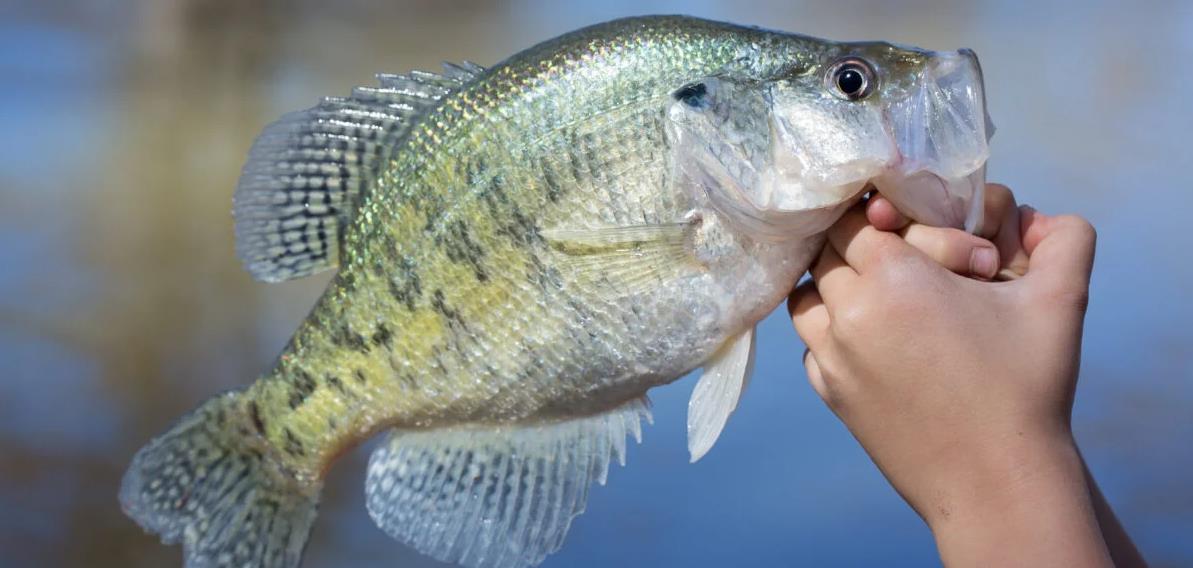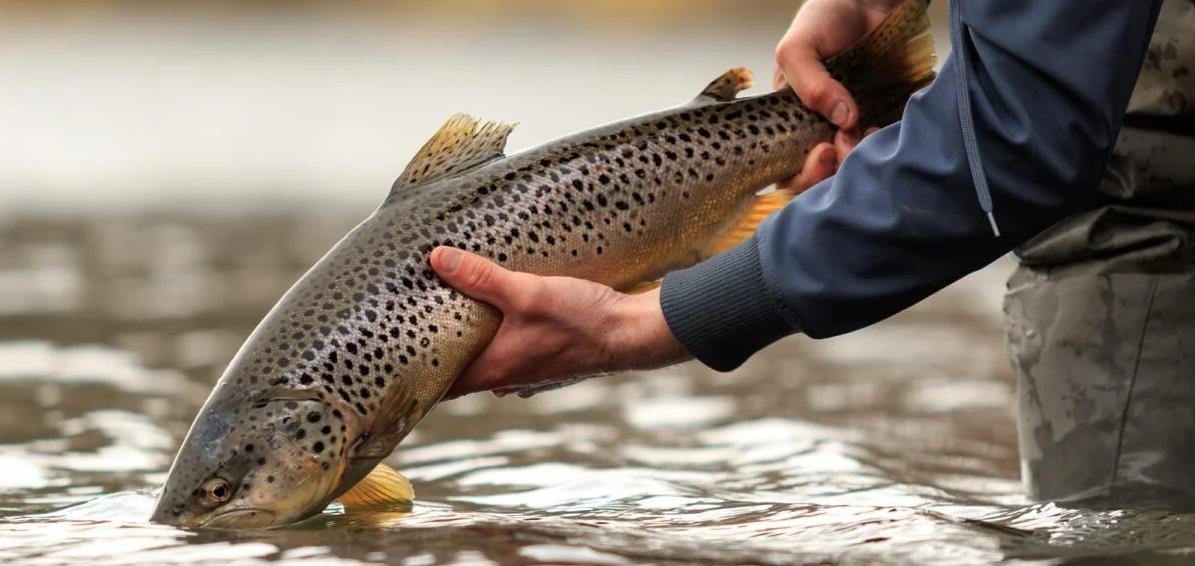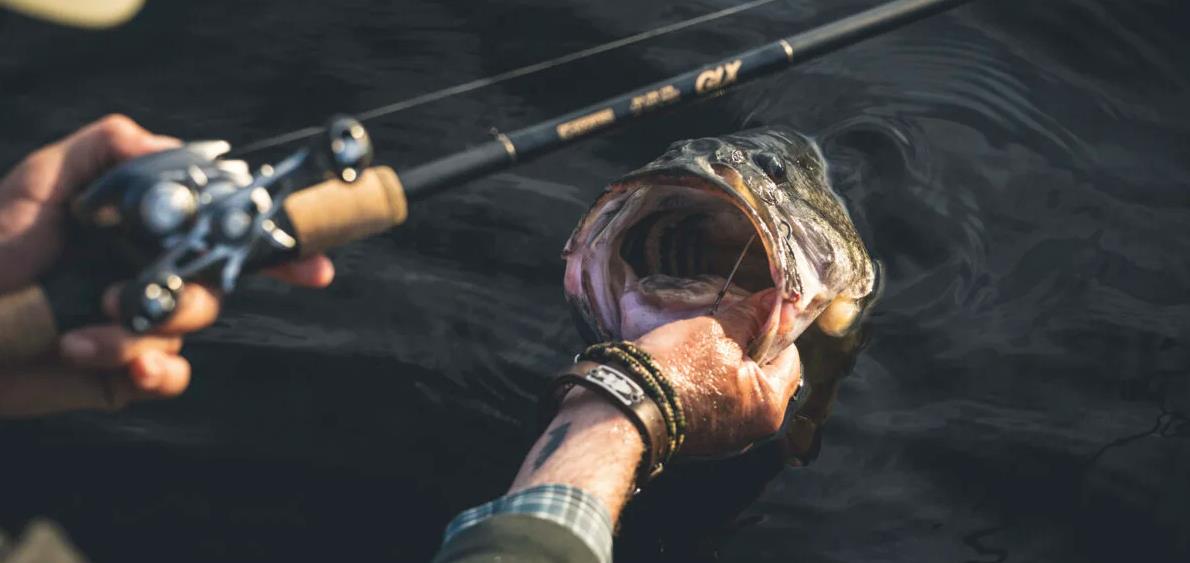

Micropterus salmoides, commonly known as the largemouth bass, stands as one of the most ecologically significant and recreationally valued freshwater game fish in North America and across global introduced habitats. Its widespread popularity among anglers stems not only from its aggressive fighting ability and substantial growth potential but also from its highly adaptive, context-dependent behavioral plasticity. Unlike many freshwater species with rigid seasonal routines, the largemouth bass adjusts its habitat selection, foraging strategies, predator avoidance mechanisms, and activity rhythms in direct response to fluctuating environmental conditions, prey availability, water chemistry, and anthropogenic pressure. Successful bass angling transcends random lure presentation and relies entirely on the accurate interpretation of bass behavioral patterns and the deployment of condition-matched fishing tactics. This paper systematically analyzes the core behavioral traits of largemouth bass across seasonal cycles, diurnal timeframes, diverse habitat structures, and high-pressure aquatic environments, while elaborating on scientific, scenario-specific fishing strategies to provide a professional, ecologically grounded guide for advanced bass angling.
Fundamental Behavioral Traits of Largemouth Bass
To develop precise fishing tactics, anglers must first grasp the inherent biological and behavioral characteristics that define largemouth bass activity. As a dominant apex predator in most freshwater lentic and lotic ecosystems, the largemouth bass exhibits three core behavioral traits: ambush-oriented foraging, structure-dependent habitat fidelity, and environmental threshold sensitivity. These traits govern nearly all of its movements and feeding decisions throughout the year.
Largemouth bass are primarily ambush predators rather than active pursuit feeders, a behavioral adaptation that minimizes energy expenditure while maximizing feeding efficiency. Unlike schooling pelagic fish that chase prey continuously, bass prefer to position themselves in concealed structural cover, remain motionless for extended periods, and launch explosive, short-range strikes on unsuspecting prey. This energy-conserving behavior is critical for their survival, especially in low-temperature or low-prey seasons when metabolic efficiency determines growth and overwinter survival. Their strike zone is strictly limited to the immediate vicinity of their holding position, meaning lure placement accuracy far outweighs retrieval speed or flash in most scenarios.
Structure dependence is another non-negotiable behavioral trait. Largemouth bass rarely occupy open, featureless water for long durations, as they rely on structural elements for three essential needs: predatory concealment, anti-predator refuge (especially for juvenile and sub-adult bass), and thermal stability. Natural structures including submerged timber, stumps, rock piles, weed bed edges, channel drop-offs, and man-made structures such as dock pilings and riprap serve as permanent and transitional holding zones. Research on bass habitat utilization confirms that most resident bass limit their daily movement radius to less than 100 yards of their core structural territory, while only migratory roaming bass follow seasonal prey movements across open water systems.
Additionally, largemouth bass display extreme sensitivity to environmental thresholds, including water temperature, barometric pressure, light intensity, and dissolved oxygen levels. Each physiological threshold triggers immediate behavioral shifts in feeding frequency, depth preference, and activity levels. Optimal feeding activity occurs within a water temperature range of 60°F to 75°F, where bass metabolism peaks and foraging motivation overrides shelter-seeking behaviors. Temperatures below 50°F drastically reduce metabolic rates, leading to lethargic movement and selective feeding, while temperatures above 85°F induce oxygen stress, forcing bass to seek deep, oxygen-rich cool water and suspend feeding activity.
Seasonal Behavioral Shifts and Corresponding Fishing Tactics
Seasonal water temperature fluctuations drive the most dramatic and predictable behavioral changes in largemouth bass, reshaping their habitat preference, foraging priority, and aggression levels. Classifying bass behavior by seasonal phases and deploying targeted tactics based on each phase’s biological imperatives forms the foundation of consistent year-round angling success.
Pre-Spawn Behavioral Patterns and Tactical Approaches
The pre-spawn phase occurs in early spring when water temperatures rise steadily from 50°F to 60°F, marking the end of winter lethargy and the start of bass’s reproductive preparation. During this period, bass behavior is defined by migratory movement and hyperphagic feeding. Overwintering deep-water bass abandon their stable deep holding areas and undertake systematic shallow migration, moving from main lake channels to secondary flats, point structures, and transitional drop-offs adjacent to spawning grounds. Unlike winter’s sporadic feeding, pre-spawn bass exhibit aggressive feeding behavior to accumulate energy reserves for the upcoming spawning period, when feeding activity will be largely suppressed.
A key biological event driving pre-spawn foraging is the crayfish molt cycle. Spring warming triggers massive crayfish molting, producing calcium-rich, soft-shelled prey that becomes the primary food source for pre-spawn bass. This creates a classic “match the hatch” foraging scenario, where bass prioritize crayfish over baitfish prey. Behaviorally, pre-spawn bass hold at structural transition zones—deep-to-shallow drop-offs, weed line edges, and rocky points—waiting to ambush prey moving between shallow flats and deep water.
For pre-spawn angling, tactic priority centers on covering transitional water efficiently and mimicking dominant local prey. Lipless crankbaits and squarebill crankbaits in red and orange hues, which perfectly imitate molting crayfish, deliver exceptional results. Fast-retrieving crankbaits allow anglers to scan large transitional zones quickly to locate active bass schools. For sluggish pre-spawn bass in cooler early-spring conditions, suspending jerkbaits with intermittent pauses trigger reaction strikes by imitating injured prey. Anglers should focus casts on point structures, flat drop-offs, and the outer edges of emerging weed beds, avoiding premature targeting of shallow spawning flats before water temperatures stabilize.
Spawn Phase Behavioral Patterns and Tactical Approaches
When water temperatures stabilize between 60°F and 75°F, the reproductive imperative completely dominates largemouth bass behavior, overriding feeding instincts. During the spawn phase, mature bass migrate to shallow, sunlit, protected flats with sandy or gravel substrates to build and guard nests. Male bass exhibit extreme territorial and defensive behavior during this period, abandoning regular foraging routines to protect eggs and fry from predation. Female bass remain on spawning flats only briefly during egg deposition before retreating to nearby deeper transitional water to rest and resume sporadic feeding.
Spawn-phase bass behavior is highly visual and defensive. Nest-guarding males strike not out of hunger but out of territorial aggression, attacking any foreign object that intrudes on their nest territory. Their strike zone shrinks significantly, and they become extremely lure-selective, ignoring fast-moving, high-action baits that do not pose a perceived threat. Human disturbance further amplifies their wariness, making heavily fished spawning flats extremely challenging to target.
Effective spawn-phase tactics require slow, precise, non-intrusive lure presentation. Anglers should cast beyond visible bass beds and work lures slowly along bed edges, utilizing subtle twitches and long pauses to mimic small intruding prey or threats. Soft plastic worms, creature baits, and small jigs are ideal lure choices due to their slow, natural movement profile. All fast-retrieving reaction baits should be avoided, as they fail to trigger defensive strikes from nest-guarding bass. Additionally, anglers must practice careful catch-and-release handling during the spawn phase; excessive handling or prolonged air exposure can result in abandoned nests and total reproductive failure for local bass populations.
Post-Spawn Summer Behavioral Patterns and Tactical Approaches
The post-spawn summer phase begins when water temperatures exceed 75°F, concluding reproductive activity and initiating a return to intensive feeding behavior. Post-spawn bass undergo a behavioral split based on size and habitat: smaller juvenile and sub-adult bass remain in shallow vegetated areas to feed on bluegills, tadpoles, and aquatic insects, while larger mature bass migrate to deeper, cooler structured water to avoid high surface temperatures and low dissolved oxygen levels. Diurnal behavioral stratification becomes prominent in summer, with strict depth partitioning corresponding to sunlight intensity and water temperature changes.
Early morning and late evening hours drive shallow feeding migrations. During low-light dawn and dusk periods, large bass move from deep suspended positions to extreme shallow weed edges, shoreline cover, and floating vegetation mats to ambush shallow-dwelling prey including frogs and small baitfish. As sunlight intensifies and surface water temperatures rise at midday, bass retreat to deep structure, shaded cover such as dock pilings and overhanging trees, or suspend in thermocline zones with stable oxygen and temperature conditions. Summer bass also exhibit heightened sensitivity to barometric pressure, with pre-storm low-pressure systems triggering intense surface feeding sprees.
Summer angling tactics require strict diurnal adaptation. Low-light morning and evening sessions prioritize topwater baits such as frog lures, poppers, and walking baits to target shallow ambushing bass along weed lines and shoreline cover. Midday fishing shifts to deep-structure targeting, using heavy jigs, Texas-rigged soft plastics, and deep-diving crankbaits to probe drop-offs, submerged timber, and thermocline holding zones. For pressured summer bass in clear water, subtle finesse presentations with light line and small profile baits are essential to overcome increased visual wariness. Anglers can utilize side-imaging electronics to identify high-value weed pockets and deep structural holding spots for precise lure placement.
Fall Transition Behavioral Patterns and Tactical Approaches
Fall represents a critical transitional period for largemouth bass behavior, characterized by widespread baitfish migration and pre-winter hyperphagia. As surface water temperatures gradually decline from 80°F to 55°F, thermal stratification breaks down, and oxygen levels become uniform across depth zones. This environmental stability triggers massive shad and yellow perch baitfish movements from deep summer sanctuaries to shallow flats and river mouths, and bass follow these prey sources aggressively. Unlike summer’s stationary structure holding behavior, fall bass adopt roaming schooling behavior, moving continuously to track baitfish concentrations.
Fall bass behavior is defined by feeding urgency, as individuals must accumulate high-calorie fat reserves to sustain winter dormancy. Their aggression levels peak annually during this phase, and they abandon selective feeding habits to strike any available prey. Schooling roaming bass become the dominant population, breaking the summer resident structure-locked behavior pattern. Feeding activity persists throughout most of the day, with reduced sensitivity to light intensity compared to summer and winter phases.
Fall fishing tactics focus on mobility and baitfish imitation. Fast-moving search baits including spinnerbaits, swimbaits, and lipless crankbaits excel at covering expansive flats, river transitions, and main-lake points where baitfish schools aggregate. Anglers should prioritize wind-blown shorelines, as wind current concentrates plankton and baitfish, creating prime bass feeding zones. When locating surface baitfish busts, quick casts with topwater or subsurface reaction baits yield immediate results. For scattered fall bass populations, gradual depth probing with medium-diving crankbaits effectively locates roaming feeding schools.
Winter Cold-Water Behavioral Patterns and Tactical Approaches
Winter conditions, with water temperatures below 50°F, induce the most suppressed behavioral state for largemouth bass. Cold water drastically reduces bass metabolic rates, leading to minimal movement, reduced feeding frequency, and strict reliance on stable deep-water structure. Winter bass abandon shallow habitats entirely and congregate in dense clusters in deep channel holes, submerged humps, and main-lake structural zones with consistent thermal stability. Their foraging behavior becomes extremely selective and energy-efficient, with bass only striking high-calorie, low-effort prey including mature bluegills and crayfish.
Diurnal activity in winter is extremely limited. Bass remain nearly motionless in deep structure for most of the day, only initiating short, slow feeding movements during the warmest midday window when solar radiation slightly raises water temperatures. They reject fast-moving lures entirely, as high-speed prey pursuit expends excessive energy with low nutritional return. Winter bass also exhibit extreme lure selectivity and heightened wariness, making them the most challenging target of the annual cycle.
Winter fishing tactics prioritize slow, deliberate presentation and precise structural targeting. Heavy tungsten jigs and slow-sinking Carolina-rigged soft plastics are the most effective lure choices, as their slow fall and stationary bottom presentation match winter bass’s low-energy feeding mode. Anglers must work lures with minimal movement, utilizing long pauses and subtle tiny twitches to trigger lethargic strikes. Casts should be concentrated on deep main-lake structure, channel bends, and sun-exposed deep humps, avoiding all shallow and transitional zones. Patience is paramount in winter angling; successful presentations require maintaining lure position in bass strike zones for extended durations.
Diurnal Behavioral Rhythms and Time-Specific Tactics
Beyond seasonal variation, largemouth bass exhibit consistent daily behavioral rhythms governed by light intensity, solar radiation, and prey activity cycles. Understanding these diurnal patterns allows anglers to adjust lure action, presentation depth, and target zones throughout the day for continuous success.
Dawn and dusk represent the primary feeding windows for largemouth bass across all seasons except winter. During low-light crepuscular periods, bass experience reduced visual predation risk while shallow prey species become most active. This combination triggers predictable shallow feeding migrations. Morning dawn activity focuses on flat and shoreline cover feeding, as overnight cooling stabilizes shallow water temperatures and increases oxygen levels. Evening dusk activity shifts to outer weed edges and point structures, as bass prepare to transition back to deep overnight holding zones. For these low-light windows, high-visibility, high-action baits including topwater lures, spinnerbaits, and noisy crankbaits outperform subtle finesse baits, as bass rely on motion and sound rather than precise visual identification to strike prey.
Midday behavior varies drastically by season but universally features reduced shallow activity. In spring and fall, moderate midday temperatures allow bass to remain active around mid-depth structure and weed edges, enabling consistent reaction bait fishing. In summer, intense midday sunlight and heat force bass into deep suspended positions or shaded cover, requiring deep-probing or finesse tactics. In winter, only midday warm periods support limited feeding activity, with all other daytime hours producing negligible strikes. Midday angling success depends on abandoning shallow search tactics and targeting high-value stable structure with precise, slow presentations.
Habitat-Dependent Behavioral Variations and Targeted Tactics
Largemouth bass behavior adapts distinctly to different habitat types, with structural complexity, water clarity, and vegetation density reshaping their foraging style and holding preferences. Classifying habitat types and matching tactics to habitat-specific behavior eliminates guesswork and improves catch consistency.
Heavy cover habitats including dense weed mats, flooded timber, and thick brush piles foster pure ambush behavior. Bass in heavy cover remain stationary within tight concealment, waiting for prey to enter their immediate strike zone before launching explosive vertical or horizontal strikes. They exhibit ultra-short strike zones and ignore lures traveling outside their concealed position. For heavy cover angling, anglers should use weedless rigged soft plastics, flipping jigs, and hollow-body frog lures that can navigate dense vegetation without snagging. Presentation requires precise pitching and flipping casts to place lures directly into cover pockets, with sharp, forceful hook sets to pull bass free from tangled vegetation.
Open structure habitats including points, drop-offs, rock piles, and channel edges feature mixed ambush and roaming behavior. Bass here patrol defined structural transition lines, combining stationary waiting behavior with short-distance cruising to intercept migrating prey. Their strike zones are larger than those in heavy cover, allowing slightly faster lure retrieves. Effective tactics for open structure include crankbaits, swimbaits, and spinnerbaits that trace structural contours, triggering strikes from both stationary holding and cruising bass.
Clear water habitats induce heightened visual wariness and selective feeding behavior. In transparent water with high light penetration, bass observe lures in detail and reject unnatural color patterns, erratic movements, or thick fishing line. Clear-water bass exhibit longer inspection times before striking, requiring subtle, natural presentations. Finesse tactics including wacky rigs, drop-shot rigs, and small natural-tone soft plastics with light fluorocarbon line produce the best results, while bulky, high-flash baits should be avoided.
Murky water habitats eliminate visual selectivity and prioritize vibration and sound detection. Bass in low-visibility water rely on lateral line sensory systems to detect prey movement and water displacement. They become far more aggressive and less selective, striking high-vibration, noisy lures blindly. Bright contrasting colors, rattling crankbaits, and large-profile soft plastics excel in murky water, as their enhanced vibration and sound signature trigger instinctual reaction strikes.
Pressure-Induced Behavioral Adaptations and Advanced Pressure Fishing Tactics
A critical yet often overlooked factor shaping largemouth bass behavior is angling pressure and environmental disturbance. Recent fisheries research confirms that largemouth bass possess advanced associative learning capabilities, enabling them to recognize and avoid lures and presentation patterns associated with capture risk. This behavioral adaptation is the primary reason for reduced catch rates in heavily fished public waters.
Pressured bass exhibit three key behavioral modifications: reduced aggressive strikes, increased lure inspection time, and pattern-specific lure avoidance. Bass can memorize the shape, color, and movement of commonly used lures and actively avoid them, while remaining susceptible to lures with distinct visual and motion profiles. Additionally, pressured bass abandon shallow open holding positions and shift to tighter, more concealed cover, becoming completely structure-locked and less active during high-angling-traffic periods.
To target pressured bass, anglers must deploy adaptive, low-pressured presentation tactics. First, diversify lure profiles to break learned avoidance patterns, switching from standard bulky baits to small, subtle finesse lures with natural coloration. Second, reduce presentation frequency and speed, utilizing longer pauses and slower retrieves to accommodate extended bass inspection time. Third, target low-traffic micro-habitats including tight weed pockets, hidden brush piles, and shaded dock corners that are overlooked by conventional anglers. Fourth, adjust tackle setups by using lighter line, smaller hooks, and low-visibility line materials to reduce detection. Catch-and-release practices further reinforce behavioral learning, making consistent tactical adaptation essential for long-term angling success on pressured water bodies.
Largemouth bass angling mastery is fundamentally the mastery of behavioral ecology. Every successful strike stems from aligning lure selection, presentation speed, target positioning, and fishing timing with the bass’s dynamic condition-specific behavior. Seasonal thermal cycles drive core migratory and feeding shifts, diurnal light rhythms regulate daily activity windows, habitat structure dictates foraging modes, and angling pressure modulates wariness and selectivity. Advanced anglers abandon rigid lure routines and instead adopt an adaptive, observation-based approach, reading real-time environmental conditions to predict bass behavior and deploy matched tactics. By integrating ecological behavioral principles with practical angling techniques, anglers can achieve consistent success across diverse water bodies, seasonal conditions, and fishing pressure levels, while promoting sustainable bass fishery conservation through informed, low-impact angling practices.