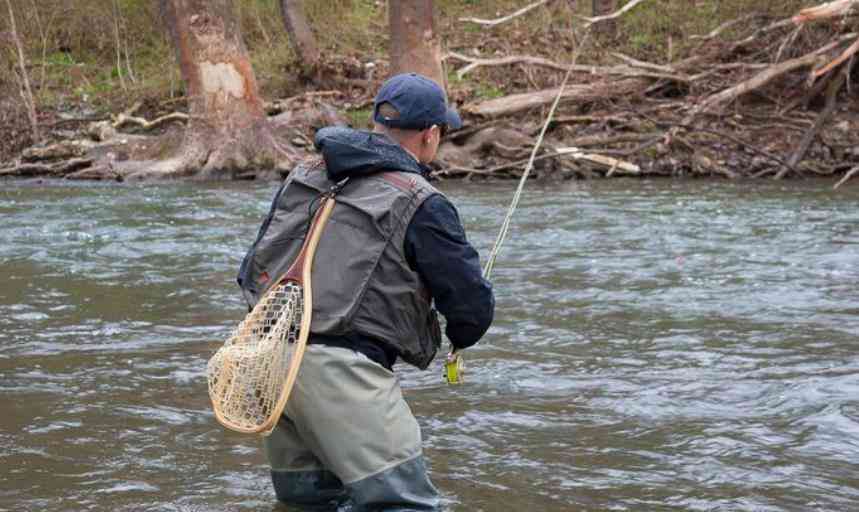
Trout fishing in clear, fast-moving streams is both a challenge and a reward. There is something uniquely captivating about standing knee-deep in a rushing mountain stream, the cold water swirling around your boots, while carefully casting a fly or drifting a baited line downstream. The shimmering surface of the water mirrors the surrounding forest, and every ripple may conceal a wary trout, alert and ready to dart away at the slightest disturbance. Fishing in these conditions requires more than just patience—it demands a combination of observation, technique, and respect for the delicate ecosystem.
Understanding trout behavior in fast-moving water is the foundation of success. Trout are both predators and prey, and in clear streams, their heightened vigilance makes them particularly challenging to catch. They tend to hug certain water features that provide safety while offering feeding opportunities. Deep pools, behind submerged rocks, along undercut banks, and at the tail of riffles are prime holding spots. Observing these areas before casting can significantly increase your chances of success. Trout often position themselves where the current brings food to them with minimal energy expenditure. In summer, they may stay in shaded pockets or deeper pools to avoid direct sunlight, while in colder months, they might move closer to faster riffles where oxygen levels are higher. Understanding these seasonal patterns can make the difference between a day of frustration and a day filled with exciting strikes.
Choosing the right gear is critical when fishing clear, fast-moving streams. Light or ultralight rods, typically between six and eight feet, paired with six- to eight-pound test lines, offer the sensitivity and flexibility needed to make precise casts without spooking fish. In such transparent water, even the slightest unnatural movement can alert trout, so the presentation of your bait or fly must be delicate. For line types, a fluorocarbon leader is often preferred because it is nearly invisible underwater and provides abrasion resistance against rocks and submerged branches. Polarized sunglasses are a must, as they allow you to see beneath the water surface, revealing feeding fish and hidden structures that might otherwise be missed.
Bait and lure selection also plays a vital role. In fast, clear water, natural presentation is key. Live bait such as worms, minnows, or insects can be highly effective when drifted naturally with the current. For artificial options, small spinners, spoons, or soft plastics that mimic aquatic insects work well. Fly fishing, in particular, is popular in these settings. Dry flies that resemble mayflies, caddisflies, or stoneflies can entice rising trout, while nymphs and wet flies are effective when fished just below the surface. Matching the hatch—choosing flies that imitate the insects currently emerging in the stream—can dramatically improve your catch rate.
Drift fishing is a fundamental technique in fast-moving streams. It involves allowing the bait or fly to move naturally with the current, creating an irresistible presentation. Achieving a true drift requires careful attention to the angle of your cast, the speed of the current, and subtle adjustments to your line to avoid drag. Trout are sensitive to unnatural movement, so learning to let the bait drift freely, while maintaining contact for a quick hookset, is essential. In areas where currents vary, it is often helpful to cast upstream and allow the bait to float down through feeding lanes. Even small eddies and slower seams along the main current can hold fish, and exploring these microhabitats can yield surprising results.
Fly fishing offers another specialized approach for clear, fast streams. Casting techniques, such as roll casts and mend casts, allow anglers to present flies delicately, even in challenging currents. Dry fly fishing can be highly rewarding when trout are actively feeding on the surface, while wet fly and nymph patterns are effective when fish are submerged. Observing the water for rising trout, skittering insects, and subtle shadows can guide your fly selection and placement. Precision is more important than power; short, accurate casts often outperform long, heavy-handed attempts. Learning to read the water and anticipate fish behavior is the hallmark of a skilled fly angler.
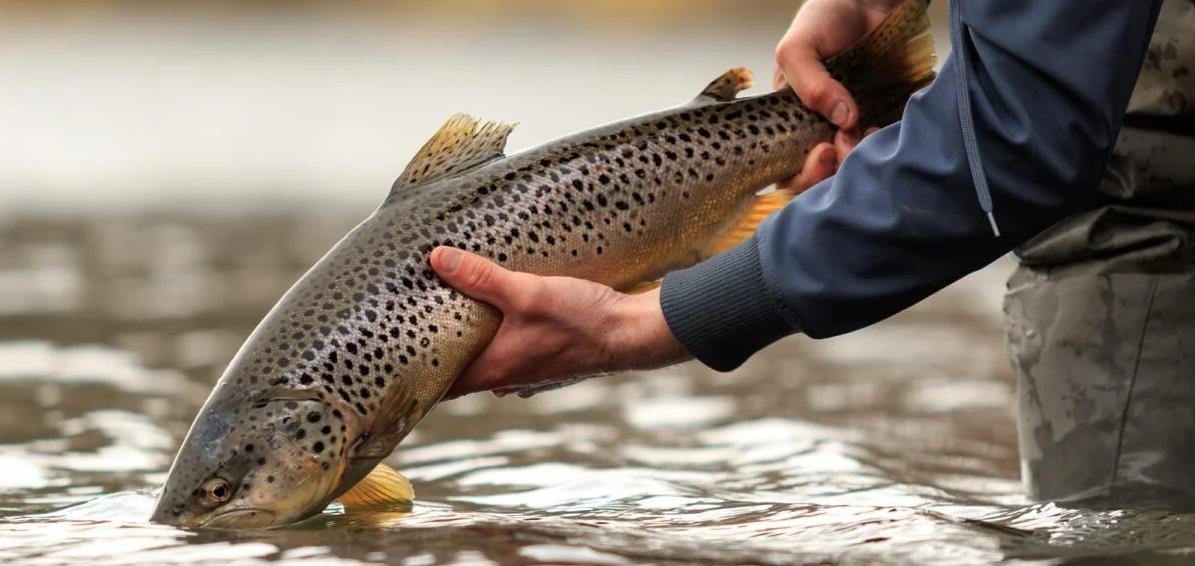
Proper handling and landing of trout is as important as catching them, especially in clear, fast-moving streams where catch-and-release is common. Wetting your hands before touching the fish helps protect its delicate slime coat, which serves as a barrier against disease and parasites. Using barbless hooks can reduce injury, and minimizing the time the fish spends out of water ensures a higher survival rate upon release. Respecting local regulations and stream ecology not only preserves the fish population but also enhances the long-term enjoyment of these waters.
Reading the water is a crucial skill for trout fishing in fast currents. Subtle changes in flow, depth, and structure often indicate where fish are holding. Rocks, submerged logs, and small drop-offs create pockets of slower water that serve as feeding zones. Observing ripples, splashes, and the occasional shadow beneath the surface can provide valuable clues. Patience and careful observation often yield better results than aggressive casting, especially in clear streams where trout are easily spooked.
Safety and environmental awareness are also paramount. Clear, fast-moving streams can be deceptively powerful. Wading requires sturdy boots with excellent traction, and in deeper or swifter sections, a wading staff or pole can help maintain balance. Never underestimate the current, and always be aware of your surroundings. Additionally, practicing Leave No Trace principles protects the fragile riparian habitat. Avoid disturbing vegetation, pack out all trash, and respect wildlife to maintain the pristine conditions that make these streams so appealing to anglers.
For those willing to experiment, combining techniques can often lead to the best results. Switching between nymphs and dry flies, adjusting drift speed, and varying retrieval methods can trigger strikes that single approaches might miss. Some anglers also enjoy using small spinners or spoons during early morning or late evening, when trout may be feeding more aggressively. Observation, experimentation, and adaptation are key components of successful trout fishing in these dynamic environments.
Experience in clear, fast-moving streams teaches lessons that extend beyond fishing. It encourages patience, sharpens observation skills, and deepens one’s connection to nature. Every trip offers a new set of challenges: changing water levels, shifting currents, and variable insect activity demand constant attention and adaptation. Success is measured not only by the size or number of trout caught but also by the quality of the experience, the quiet moments of reflection, and the thrill of a perfectly executed cast.
Ultimately, trout fishing in these conditions is a blend of art and science. Mastering the techniques, understanding fish behavior, selecting appropriate gear, and respecting the environment are all integral to a rewarding outing. For anglers in Europe, North America, or elsewhere, the principles remain the same: observe, adapt, and present the bait or fly naturally. Whether standing on a rocky bank, wading through a shallow riffle, or quietly casting into a shadowed pool, the pursuit of trout in clear, fast-moving streams is an experience that challenges skills, rewards patience, and offers an unparalleled connection to the natural world.
By embracing the intricacies of these environments, anglers can elevate their fishing from a simple pastime to a lifelong passion. The combination of strategy, subtlety, and immersion in nature creates a deeply satisfying pursuit, one where every successful cast is a testament to careful observation, practiced technique, and the enduring allure of wild trout waters. Whether chasing trout in the Rockies, Appalachians, Alps, or other pristine streams, the lessons learned here transcend locations, offering guidance and inspiration for any angler eager to experience the thrill of fishing in some of the most beautiful freshwater habitats on Earth.