Catfish are among the most popular freshwater game fish in North America and Europe, drawing anglers with their size, strength, and challenging behavior. Whether you are a seasoned angler or just starting, understanding the right baits, techniques, and tactics can significantly improve your success on the water. This guide delves into the top catfish baits, techniques, seasonal strategies, and tips that will help you land the trophy catfish of your dreams.
Understanding Catfish
Catfish are a diverse group, with several species thriving in rivers, lakes, and reservoirs across the Western world. In North America, the most common types include the Channel Catfish, Blue Catfish, and Flathead Catfish. Europe is home to species like the Wels Catfish, which can grow to impressive sizes. Understanding the habits of these species is crucial for successful fishing.
Catfish are primarily nocturnal feeders, often lurking near the bottom during the day and becoming more active at night. They tend to inhabit deep holes, submerged logs, river bends, and areas with slower currents. Knowing their preferred habitats and feeding patterns is the first step in selecting the right bait and fishing method.
Choosing the Right Bait
Catfish are opportunistic feeders and can be caught using a variety of natural and artificial baits. Choosing the right bait depends on the species, water conditions, and time of day.
Live Bait
Live bait remains one of the most effective options for catfish. Popular choices include nightcrawlers, minnows, shad, and small frogs. These baits appeal to the catfish’s natural hunting instincts and release scents that attract them from a distance. Nightcrawlers, in particular, are versatile and can be used both on the bottom and suspended under a float.
Cut Bait and Prepared Bait
Cut bait, which consists of pieces of fish such as shad or herring, is highly effective for larger catfish like Blue and Flathead Catfish. Prepared baits, including commercial stink baits, dip baits, and paste baits, are designed to emit strong odors that catfish find irresistible. These are especially effective in murky waters where scent plays a larger role than sight.
Artificial Baits
While natural baits dominate, artificial baits like soft plastics, scent-infused dough baits, and even glowing lures can be effective in specific conditions. Soft plastics rigged on bottom hooks or weighted rigs can imitate worms or small fish, appealing to curious catfish, especially in pressured fishing spots where natural baits are overused.
Techniques That Work
Different techniques can be employed depending on the environment and the catfish species you are targeting.
Bottom Fishing
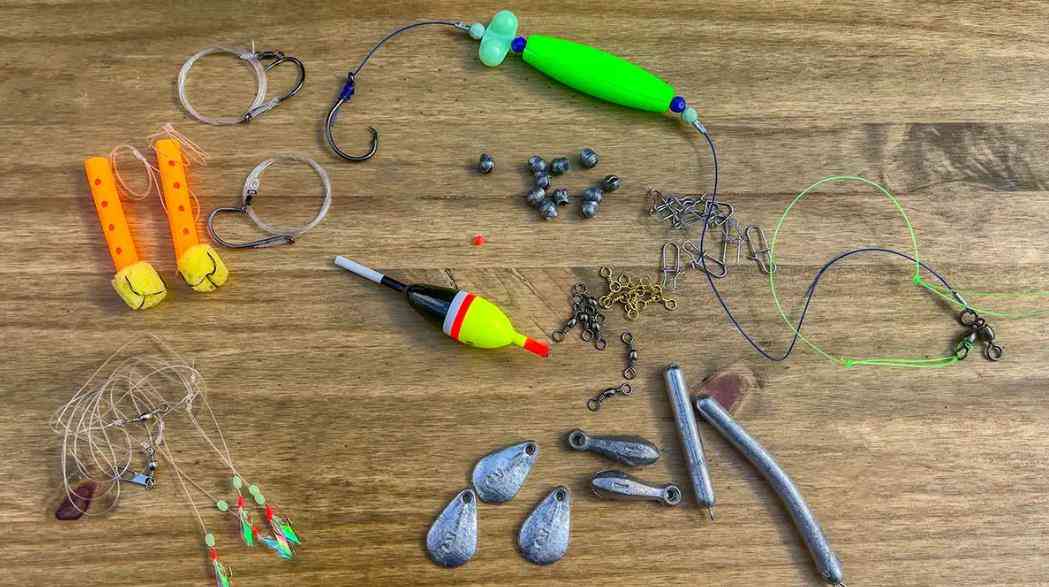
Bottom fishing is the most common method for catfish. Using a sinker or weight to keep the bait near the riverbed or lake bottom allows catfish to find the bait naturally. Carolina rigs, slip sinker rigs, and simple bottom rigs are excellent choices. Using a sensitive rod tip or bite alarm can help detect subtle bites, which are common with channel catfish.
Float Fishing
Float fishing suspends bait above the bottom, ideal for shallow areas or when fishing near submerged vegetation. A well-adjusted bobber can indicate even the slightest nibbles. This technique is useful for Wels Catfish and smaller species that may not venture too deep.
Drift and Trolling
In larger rivers and reservoirs, drifting or trolling with bait can cover more water and locate active catfish. Drift rigs can be set up with live bait or cut bait, while trolling with weighted rigs and artificial lures can attract predatory catfish. This method is especially effective for Flathead Catfish, which tend to roam larger areas in search of prey.
Night Fishing
Since catfish are nocturnal, fishing at night significantly increases your chances of success. Focus on deep holes, submerged structures, and river bends where catfish are likely to feed. Night fishing often requires brighter rod tips or glow sticks to monitor bites, as visual cues are limited.
Seasonal Strategies
Catfish behavior varies with the seasons, and adapting your approach can yield better results.
Spring
During spring, water temperatures rise, triggering catfish to become more active. Channel Catfish, for example, begin feeding more aggressively after spawning. Target shallower areas near riverbanks or lakeshores using cut bait or live minnows.
Summer
In summer, catfish often move to deeper, cooler waters during the heat of the day. Early mornings, late evenings, and night fishing provide the best opportunities. Stink baits and cut baits remain highly effective, while strong currents can carry scents further, attracting catfish from a distance.
Fall
Fall is a prime feeding season as catfish prepare for winter. They tend to patrol mid-depth zones and feed on abundant prey. This period is ideal for trolling and drift fishing. Using larger baits can entice bigger fish that have grown throughout the year.
Winter
Winter catfish fishing requires patience. The fish become sluggish in colder water and feed less frequently. Focus on deeper holes and slower currents, using larger, highly scented baits to draw attention. Slow presentation is crucial, as aggressive strikes are rare.
Gear and Equipment Considerations
Having the right gear is essential to handle the strength and size of catfish.
- Rods and Reels: Medium-heavy to heavy rods paired with a strong reel allow for better control during long fights.
- Line: Monofilament or braided line with high breaking strength is recommended. For larger species, consider 20–50 lb test lines.
- Hooks: Circle hooks or treble hooks are commonly used, depending on bait type. Circle hooks reduce the chance of gut-hooking fish and improve catch-and-release success.
- Additional Gear: Bite alarms, glow sticks, and rod holders enhance night fishing efficiency. Landing nets and gloves ensure safe handling of large catfish.
Handling and Safety Tips
Catfish have sharp spines on their dorsal and pectoral fins that can cause painful injuries. Always handle fish carefully and use proper equipment like gloves and pliers. Support large fish fully when lifting them, and avoid unnecessary stress if practicing catch-and-release. Respect local regulations and seasonal limits to preserve fish populations.
Practical Tips for Success
- Scout fishing spots in advance and look for areas with deep holes, submerged structures, and bends in rivers.
- Rotate bait types and techniques to identify what works best under current conditions.
- Keep a fishing log to track patterns related to time of day, weather, water temperature, and bait effectiveness.
- Join local angling communities or forums to gain insights into regional catfish behavior and hotspots.
Landing a trophy catfish requires a combination of knowledge, patience, and the right tactics. From selecting the most effective baits to choosing appropriate rigs and adapting to seasonal behavior, every decision can impact your success. By understanding catfish habits and using the techniques outlined in this guide, anglers can significantly improve their catch rate while enjoying the thrill of freshwater fishing. Whether you are drifting a bait across a wide reservoir, bottom fishing near a river bend, or casting at night under the stars, the right approach can turn any fishing trip into a rewarding experience.
Catfish fishing is not just about catching fish; it is about strategy, skill, and connection with the water. Embrace these techniques, experiment with different baits, and soon you will be reeling in your own memorable catfish adventure.