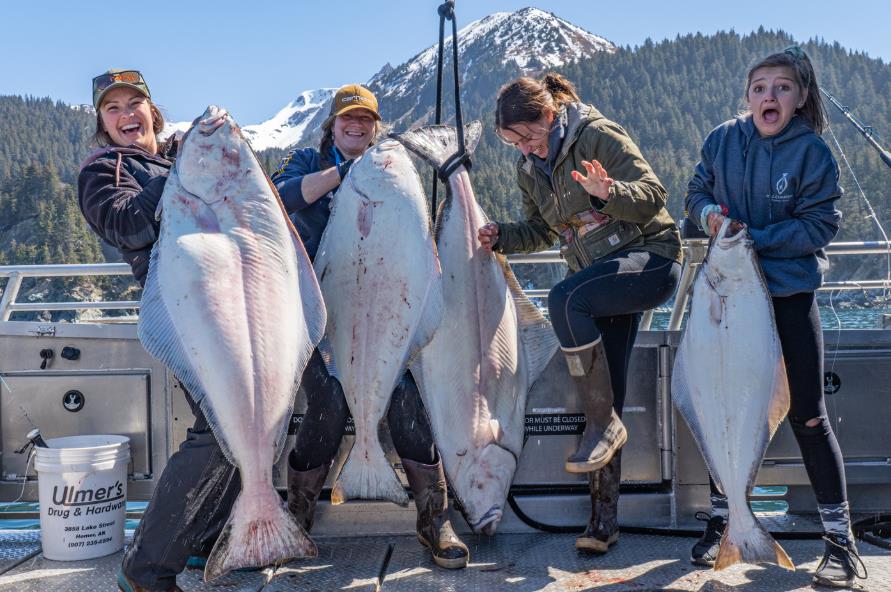
Hey guys, Tom here. If you’ve pestered me one more time about planning an Alaska salmon and halibut trip, this one’s for you. I’ve been chasing these monsters in the Last Frontier for over 20 years—from the Kenai River’s churning waters to the remote coves of Homer, from the bustling docks of Ketchikan to the fly-in only streams of the Alaska Peninsula. I’ve fought 80-pound king salmon until my forearms burned, hauled 150-pound halibut over the gunwale (and almost gone overboard with ’em), and learned the hard way what works, what doesn’t, and why 90% of first-timers come home with stories of “the one that got away” instead of a cooler full of fish. This isn’t some generic guide you’ll find online—it’s the real deal, straight from a guy who’s spent more summer mornings freezing his toes off in Alaska than I’d care to count. Let’s cut the B.S. and get you ready for the fishing trip of a lifetime.
First Things First: Timing Is Everything (And I Learned This the Hard Way)
Let’s start with the biggest mistake I see newbies make: showing up at the wrong time. Alaska’s salmon and halibut don’t follow a calendar you can print off—they follow the tides, the water temperature, and their own damn migration schedule. I’ll never forget my first trip back in 2003: I booked a July trip to the Kenai thinking I’d be swimming in king salmon, only to find out I’d missed the early run by two weeks. I caught a few small sockeye, but I left with a chip on my shoulder and a vow to never wing it again. Now, I live by this schedule—and you should too.
For salmon, it’s all about the species and the region:
- King Salmon (Chinook): The big daddy of them all. If you want a trophy king (think 40+ pounds), hit the Kenai River or Kasilof River between mid-May and late June—that’s the early run, and those fish are monsters. I landed a 68-pounder on the Kenai in 2018 during the early run, and let me tell you, it took 45 minutes to get it to the boat, and my arms were sore for three days. The late run (July to mid-August) has more kings, but they’re smaller—still great for eating, though. Pro tip: The Alaska Department of Fish and Game (ADFG) changed the June fishing schedule for seine gear a few years back, but for sport anglers, the key takeaway is that king runs are predictable if you check their updates—don’t skip that step.
- Sockeye (Red Salmon): These are the most abundant, and they’re perfect for smoking or grilling. The peak run is mid-July to late August, and the Kenai River is the mecca—you can catch limits here if you time it right. I once spent a full day on the Kenai in August 2020 and caught 12 sockeye before noon; we had to stop because our cooler was full. Just be ready for crowds—popular spots get busy, but Alaska’s so big, you can always hike a little further to find a quiet stretch.
- Coho (Silver Salmon): My personal favorite. They’re acrobatic, fight like hell, and taste amazing. Hit the Kenai, Kasilof, or even remote streams in the Alaska Peninsula from late August to October. I’ve had the best luck in September—last year, I took my son to a small stream near Homer, and he hooked a 22-pound coho that jumped out of the water three times before we reeled it in. Unforgettable.
- Chum & Pink Salmon: Great for beginners or families—they’re plentiful and easier to catch. Chum runs are July to August, pinks (humpies) every other year (2025 was a slow year for chum, by the way—ADFG said harvests were below triggers, so no closures, which was a win for anglers). They’re not as big as kings or cohos, but they’re fun, and they taste great fried up fresh.
For halibut? Forget the salmon schedule—halibut are bottom feeders, and they’re active from May to September, with peak season June to August. The best time to fish for them is during slack tide—when the water isn’t moving too fast, so your bait stays near the bottom where they live. I learned this in 2008: I spent a full day fishing for halibut in Cook Inlet during a strong tide, and I didn’t get a single bite. The next day, we waited for slack tide, and we caught 5 halibut in two hours. Trust me—tide charts are your best friend here.
Where to Go: The Best Spots (Not the Tourist Traps)
Everyone talks about the Kenai River—and for good reason—but if you want to avoid the crowds and catch bigger fish, you need to venture off the beaten path. I’ve fished all over Alaska, and these are my go-to spots, tested and true:
Salmon Hotspots
- Kenai River (Upper & Middle Sections): The upper Kenai (near Cooper Landing) is where you’ll find the big kings—less crowded than the lower river, and the water is clearer, so you can see the fish. The middle Kenai is perfect for sockeye and coho—drift boats are the way to go here. I’ve used Alaska Drift Away Fishing guides here a few times, and they know every hole where the fish hide.
- Kasilof River: A hidden gem. It’s smaller than the Kenai, but it’s less crowded, and the salmon runs are just as strong. I’ve had days here where I didn’t see another angler for hours. The Kasilof’s king run is mid-May to June, and the sockeye run is July to August—perfect if you want a more laid-back experience.
- Alaska Peninsula (Remote Streams): If you’re willing to fly in (float planes are a must here), the streams around the Alaska Peninsula and Aleutian Islands are untouched. I fished a small stream near Sanak Island a few years back—ADFG closed the Sanak Island section to commercial fishing in June, which means more fish for sport anglers—and caught 8 cohos in a morning, all over 15 pounds. No crowds, no noise, just you and the fish. Worth every penny of the float plane ride.
Halibut Hotspots
- Homer (Homer Spit & Halibut Cove): The halibut capital of Alaska, and for good reason. I’ve fished here more times than I can count, and I’ve never left empty-handed. The Homer Spit is great for day trips—you can rent a charter boat, and within 30 minutes, you’re in halibut territory. Halibut Cove is a little further out, but the fish are bigger—last year, I caught a 120-pound halibut here, and it took two of us to haul it onto the boat. Pro tip: Book a charter with a captain who’s been fishing Homer for 10+ years—they know the secret spots the tourists don’t.
- Prince William Sound: If you want to combine fishing with scenery, this is the spot. The water is crystal clear, you’ll see whales and sea lions, and the halibut are plentiful. I fished here in 2021, and we caught 7 halibut in a day, plus a few salmon. The tides are strong here, so make sure your captain knows what they’re doing—we used 2-pound weights to keep our bait on the bottom, and it made all the difference.
- Ketchikan: Great for beginners. The waters around Ketchikan are calm, and the halibut are smaller (20-40 pounds), which makes them easier to reel in. I took my nephew here a few years ago, and he caught his first halibut within an hour. Plus, Ketchikan has great lodges and restaurants—perfect if you want a mix of fishing and comfort. The bait shops here always have fresh herring, which is halibut crack, so you’ll be set.
Gear: Don’t Skimp (I Did, and It Cost Me a Trophy)
I’ve made every mistake you can make with gear—brought a lightweight rod for king salmon (snapped it in half), used cheap line (got cut off by a halibut), forgot warm gloves (my hands were numb for hours). Here’s the gear you need, no shortcuts. This is the exact setup I use, and it’s never let me down:
For Salmon
- Rod & Reel: For kings and cohos, you need a heavy-duty spinning rod (7-8 feet) with a high-quality reel (I use a Shimano Stradic Ci4+). It needs to handle 20-30 pound test line—kings are strong, and you don’t want to lose them because your gear can’t keep up. For sockeye, a lighter rod (6-7 feet) works, but still use 15-20 pound line. I once used a 10-pound line for sockeye and lost a big one because the line snapped—never again.
- Line & Leaders: Use braided line for salmon—it’s stronger and more sensitive, so you can feel even the lightest bite. For leaders, use 20-30 pound fluorocarbon—salmon have sharp eyes, and fluorocarbon is invisible in the water. I use a 3-foot leader for kings and a 2-foot leader for sockeye/coho.
- Lures & Bait: For kings, use spinners (I swear by Blue Fox spinners) or spoons (Krocodile spoons work great). For sockeye and coho, flies (egg patterns or streamers) are perfect—if you’re fly fishing, use a 5-weight fly rod. Bait-wise, salmon love salmon eggs (cured or fresh) and herring. I always bring both—some days, they’re in the mood for lures, other days, bait. Pro tip: If you’re fishing the Kenai, cured salmon eggs are a must—local bait shops have the good stuff, don’t bring your own from home.
For Halibut
- Rod & Reel: Halibut are bottom feeders, so you need a heavy rod (6-7 feet, stiff action—fiberglass is best) with a reel that has a good drag system and large line capacity. I use a Penn Squall 20VSW—its built for saltwater, and it can handle even the biggest halibut. You’ll thank me when you’re reeling in a 100-pounder.
- Line & Leaders: Use 60-100 pound test braided line (Dacron is my go-to—it’s non-stretch and durable) for the main line, and 80-300 pound test monofilament or wire leader (20-30 inches long) for the leader. Halibut have sharp teeth, and the wire leader prevents them from cutting through the line. I crimp a barrel swivel on one end of the leader and a circle hook on the other—circle hooks are better because they hook the fish in the corner of the mouth, making it easier to release if you need to.
- Weights & Hooks: Use slip sinkers—they slide up and down the main line, so you can detect lighter strikes. The weight depends on the current: 1 pound for calm waters (Prince William Sound), 4 pounds for strong currents (Cook Inlet). For hooks, use 4/0 to 10/0 circle hooks—16/0 is my sweet spot, but if you’re going for big halibut, jump up to 20/0. Just be careful—smaller halibut can’t fit big hooks in their mouths, so you might miss out on smaller catches if you go too big.
- Bait: Herring is the best—whole or cut in half, it’s irresistible to halibut. I also use octopus (tough, so it stays on the hook) and salmon heads/tails. On slow days, squid works great—its scent travels far in the water. Pro tip: Add a hootchie or plastic skirt to your hook—it adds visual appeal, and even if the halibut steals the bait, the skirt still has the scent and can attract another strike. Fluorescent green or blue lures work best too—fish can see those colors better in deep water.
And don’t forget the basics: warm, waterproof clothing (Alaska is cold, even in summer), a hat, gloves, sunglasses (the sun reflects off the water), and a cooler with ice (for your catch). I once forgot my waterproof boots and spent the day with wet feet—never again. Invest in good gear; it will last for years and save you from frustration.
Charter vs. DIY: Which Is Right for You?
I get it—some of you want to do it yourself, and some of you want to sit back and let a pro handle it. I’ve done both, and here’s my take:
- Charter Boats: Perfect for beginners or anyone who wants to maximize their chances of catching fish. A good captain knows the spots, the tides, and the gear—they’ll set you up for success. I use charters when I’m fishing a new area (like the Alaska Peninsula) or when I’m with friends who’ve never fished in Alaska. Look for captains with 10+ years of experience—Jeff Moore from Wet & Wild Alaska Fishing is one of the best; he’s been guiding on the Kenai since 1986, and he knows every inch of the river. Most charters provide gear, bait, and even clean your fish—worth every penny. Just book early (6+ months in advance) during peak season; good charters fill up fast.
- DIY: For experienced anglers who want to explore on their own. I do DIY trips when I’m fishing the Kenai or Kasilof— I know the rivers well, and I have my own gear. But here’s the catch: you need to do your research. Check ADFG regulations (they change every year—for example, Sanak Island is closed to commercial fishing in June, but sport fishing is still allowed), get a fishing license (you can buy one online), and know the limits (how many fish you can keep). I once got a warning for keeping a king salmon that was too small—don’t be that guy. Also, if you’re fishing remote areas, bring a satellite phone—cell service is spotty, and you don’t want to get stranded. And always let someone know where you’re going and when you’ll be back.
My Best Pro Tips (Learned the Hard Way)
These are the tips that separate the rookies from the pros—stuff I’ve learned over 20 years of fishing in Alaska. Follow these, and you’ll come home with a cooler full of fish and stories your friends will envy:
- Respect the Fish (and the Water): Alaska’s fish populations are precious—practice catch and release for trophy fish (kings over 50 pounds), and don’t keep more than you can eat. I once saw a guy keep 10 sockeye when he was alone—total waste. Also, don’t litter—pack out everything you bring in. Alaska’s wilderness is beautiful, and we need to keep it that way. ADFG enforces these rules strictly—they patrolled the June fisheries heavily a few years back, and while they didn’t issue any citations for not retaining salmon in 2025, they will if you’re reckless.
- Be Patient: Fishing in Alaska isn’t like fishing in a lake in the Lower 48—you might wait hours for a bite, but when you get one, it’s worth it. I once waited 6 hours for a king salmon on the Kenai, and just as I was about to give up, I felt a tug. It was a 52-pounder, and it was the best fight of my life. Don’t get discouraged—good things come to those who wait.
- Listen to the Locals: Bait shop owners, charter captains, and local anglers know more than any guidebook. Stop by a local bait shop (I love Kenai River Bait & Tackle) and ask for tips—they’ll tell you where the fish are biting, what lures/bait to use, and what the tides look like. I once ignored a bait shop owner’s advice and fished the wrong spot all day—big mistake. Now, I always ask.
- Don’t Underestimate the Weather: Alaska’s weather changes in minutes—one minute it’s sunny, the next it’s pouring rain and windy. Bring layers, a waterproof jacket, and a hat. I once got caught in a storm on Homer Spit—we had to head back to shore, and I was soaked to the bone. Always check the weather forecast before you head out, and be prepared to cut your trip short if the weather turns bad.
- Enjoy the Experience: Yes, catching fish is great, but Alaska’s beauty is unbeatable. Take a minute to look around—you might see whales, eagles, bears, or mountain peaks. I once spent 10 minutes watching a bald eagle fly overhead while I was waiting for a bite—it was more memorable than any fish I caught that day. This trip is about more than just fish; it’s about the adventure.
Final Thoughts: This Trip Will Change Your Life
Guys, I’ve fished all over the world—Florida, Hawaii, Canada—but nothing compares to Alaska. There’s something about the cold, clear water, the untouched wilderness, and the thrill of fighting a monster salmon or halibut that keeps me coming back year after year. I’ve brought friends, family, and even strangers on these trips, and every single one of them has left with a smile on their face and a story to tell.
If you’re on the fence about booking an Alaska fishing trip—stop thinking and book it. It’s not cheap, but it’s worth every penny. And if you follow this guide, you’ll avoid the mistakes I made, catch more fish, and have an adventure you’ll never forget. If you have any more questions, you know where to find me—I’ll be the guy with the sunburned face, calloused hands, and a cooler full of salmon and halibut.
Tight lines, fellas—see you in Alaska.