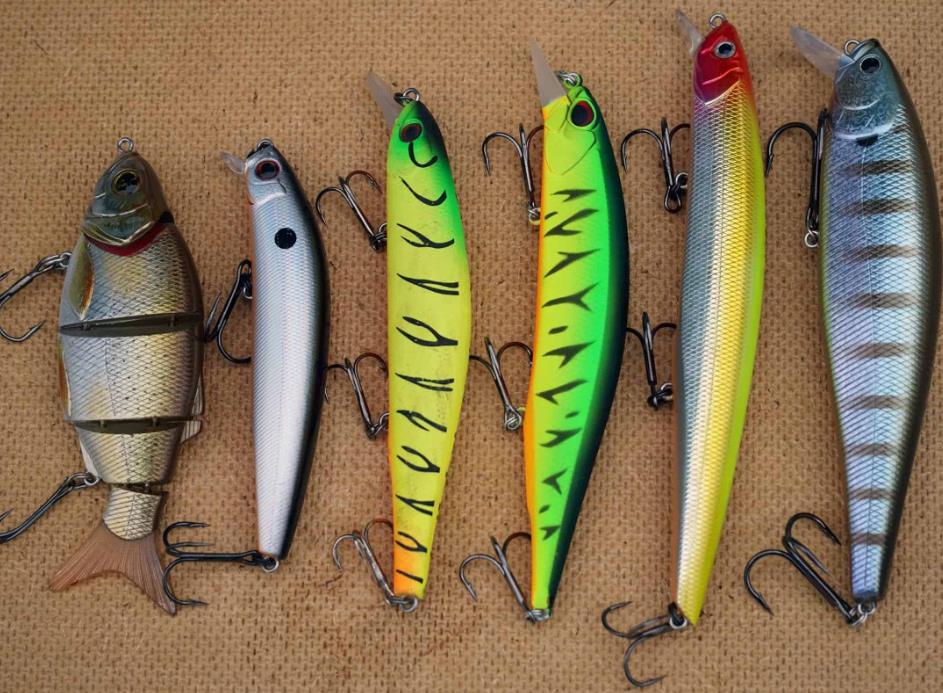
If you’re reading this, you’ve probably asked me one (or a hundred) times about which lures actually pull fish in – not the flashy ones that look good in the tackle shop but get zero bites, or the “best-seller” duds I’ve wasted hard-earned cash on over the years. Let me cut to the chase: I’ve been fishing lakes, rivers, and coastal waters across the U.S. for 32 years now. I’ve tested hundreds of lures – expensive, cheap, fancy, basic – in every condition you can think of: muddy water after a storm, crystal-clear mountain streams, choppy saltwater bays, and frigid early-morning freshwater ponds. This isn’t a list I copied from some “expert” who’s never held a rod for more than a weekend. These are the lures that have consistently put fish in my cooler, saved my trips from being skunks, and even helped me land personal bests. No fluff, no sponsored garbage – just tested, proven, and battle-worn lures that work, plus the tips I’ve learned the hard way to use them right.
First, a quick truth: There’s no “one lure fits all.” A lure that crushes bass in a Florida lake will flop for trout in a Colorado stream, and a saltwater popper won’t do squat in a murky Midwest river. But the lures below? They’re versatile, reliable, and have earned a permanent spot in my tackle box. I’ll break them down by type, tell you exactly when and how to use them, and throw in personal war stories so you know these aren’t just empty recommendations.
1. Soft Plastic Shad (Keitech Easy Shiner) – My Go-To for Freshwater Predators
Let’s start with the basics: soft plastics. I’ve tried every soft shad on the market, but the Keitech Easy Shiner is the one I reach for first when targeting bass, walleye, or pike – and for good reason. This isn’t some flimsy plastic that tears after one bite; its highly flexible rubber gives it a dynamic, lifelike swim even when you retrieve it slow, which is key for lazy predators on cold days. The double-injection color scheme with flakes looks so natural, I’ve had fish follow it for 10 feet before striking – you can’t beat that realism.
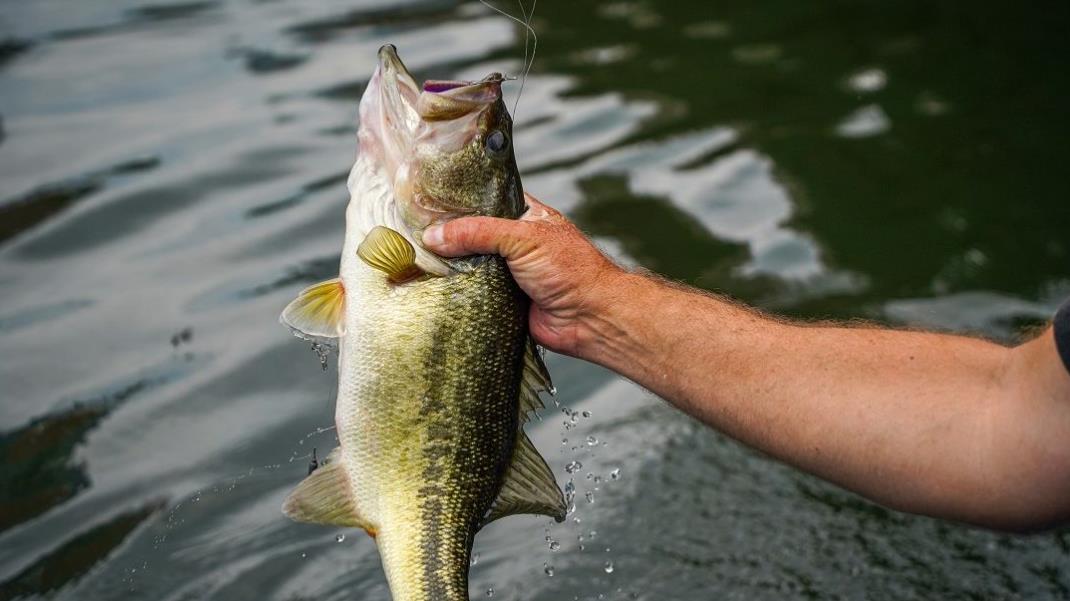
Personal experience time: Last spring, I was fishing a lake in northern Michigan where the water was still cold (48 degrees), and the bass were sluggish. I tried crankbaits, spinners, even live bait – nothing. I tied on a 5-inch Keitech Easy Shiner in natural shad color, rigged it on a 1/8-ounce jig head, and retrieved it so slow I thought it was barely moving. On the third cast, I felt a subtle tap – and landed a 4.2-pound largemouth that had been hiding in the weeds. That day, I caught 7 more bass with the same lure, and not a single one tore the tail (though fair warning: the tail is a bit fragile, so handle it gently – I keep a few spares in my pocket just in case).
Pro tips from me: Size matters here. I use 4-5 inch for bass and walleye, 6-8 inch for pike or catfish, and 3 inch for perch and trout – match the size to the prey in the water. In clear water, stick to natural tones (shad, crawfish); in stained or muddy water, go for chartreuse or bright white to help the fish see it. And don’t overwork it – slow, steady retrieves with occasional pauses mimic an injured shad, which is catnip for predators.
2. Jerkbait (Megabass Vision) – The “Confidence Bait” for Clear Water
If you fish clear water (2+ feet of visibility), a jerkbait is non-negotiable – and the Megabass Vision is the gold standard. I’ve used this lure for over a decade, and it’s never let me down. Developed back in 2000, it’s still one of the best jerkbaits on the market, with a tight, erratic action that mimics a wounded minnow – exactly what bass and walleye love to chase. It dives just deep enough (3-6 feet) to reach suspended fish, and the realistic finish makes it look like the real thing, even to the pickiest predators.
Here’s a story: Two years ago, I was fishing a clear reservoir in Tennessee with a buddy who swore by his expensive custom jerkbait. He went 2 hours without a bite, while I was pulling in bass left and right with my Megabass Vision. The difference? The Megabass has a more natural “wobble” when you jerk it, and it doesn’t float too high or sink too fast – it hangs in the strike zone just long enough. I even let him use my lure, and he caught his first bass of the day 10 minutes later. We still joke about it – he now keeps three Megabass Visions in his tackle box, just like me.
How to use it: Cast it parallel to drop-offs, weed lines, or submerged logs (where fish hang out). Jerk the rod sharply twice, then pause for 2-3 seconds – that pause is where the magic happens. The lure will “hover” in the water, and fish will strike when they think it’s about to get away. In cold water, lengthen the pauses; in warm water, jerk more frequently to trigger reaction strikes. And trust me – this lure works for both freshwater and saltwater (I’ve used it for sea bass in the Atlantic, and it’s just as effective).
3. Chatterbait (Evergreen Jack Hammer) – The Muddy Water Savior
We’ve all been there: you show up to your favorite spot after a rainstorm, and the water is murky (1-2 feet of visibility). You throw every lure you have, and nothing works – that’s when you reach for a chatterbait. The Evergreen Jack Hammer is hands down the best chatterbait I’ve ever used – it’s durable, creates massive vibration, and cuts through muddy water like a knife, so fish can find it even when they can’t see it. The bladed design sends out vibrations that mimic a crawfish or minnow moving along the bottom, and the weedless design means you won’t get stuck in grass or logs (a huge plus when fishing shallow, murky areas).
Personal win: Last summer, a thunderstorm hit while I was fishing a Louisiana bayou – the water turned brown, and I thought my trip was over. I tied on an Evergreen Jack Hammer in black/blue (dark colors work best in muddy water) and cast it along the edge of a lily pad bed. On the first retrieve, I felt a heavy thud – and landed a 5.1-pound largemouth that had been hiding in the mud. I ended up catching 12 more fish that afternoon, all on the same chatterbait. It’s now my “emergency lure” – if the water is murky, this is the first thing I tie on.
Pro tip: Pair it with a soft plastic trailer (I use a 3-inch crawfish trailer) to add more realism and scent. Retrieve it slowly along the bottom, bouncing it off rocks and logs – the vibration will do the rest. And don’t be afraid to use it in saltwater too – I’ve used it for redfish in muddy coastal waters, and it works just as well as freshwater. Just rinse it off after use to prevent rust (saltwater is tough on lures).
4. Topwater Popper (Megabass Pop X) – For the Most Exciting Strikes
Nothing beats the thrill of a topwater strike – that explosion on the surface, the fight, the adrenaline. And the Megabass Pop X is the popper that consistently delivers those moments. It’s the benchmark for topwater lures, with a loud “pop” when you twitch it, and a realistic shape that mimics a frog or minnow skittering on the surface. It’s lightweight enough to cast far, but heavy enough to handle wind, and the sharp hooks ensure you don’t lose fish after the strike.
My favorite memory with this lure: Early one morning, I was fishing a lake in Texas at sunrise. The water was calm, and I could see bass cruising the surface. I tied on a Megabass Pop X in white, cast it near a patch of lily pads, and gave it a quick twitch – “pop!” A bass erupted from the water, grabbed the lure, and took off. It was a 6-pound largemouth, and the fight lasted 5 minutes – one of the best moments of my fishing career. I’ve used this popper for bass, pike, and even redfish in saltwater bays – it’s versatile, and it’s always a crowd-pleaser when fishing with friends.
How to use it: Cast it near cover (lily pads, logs, docks) – that’s where fish hide and wait for prey. Twitch the rod sharply to make the popper “pop” and skitter across the surface, then pause for 1-2 seconds. Repeat. The pause is crucial – fish will often strike during the pause, when they think the prey has stopped to catch its breath. Use it in the early morning or late evening, when fish are most active near the surface. In clear water, use natural colors; in stained water, go for bright colors like chartreuse or orange.
5. Spinnerbait (Sakura Cajun) – The Affordable Workhorse
You don’t need to spend $20 on a lure to catch fish – the Sakura Cajun spinnerbait is proof of that. This affordable lure is ultra-effective for all predators, from bass to pike to perch, and it’s durable enough to withstand years of use (I’ve had mine for 5 years, and it still works like new). The brass blades create flash and vibration, which attracts fish from far away, and the lightweight design makes it easy to cast – even for beginners. It’s also versatile: you can use it in shallow or deep water, clear or stained, and it works year-round.
Personal tip: I use this lure when I’m not sure what the fish are biting. Last fall, I was fishing a lake in Ohio, and I couldn’t figure out what the bass wanted – I tried soft plastics, crankbaits, and jerkbaits, but nothing worked. I tied on a Sakura Cajun spinnerbait in gold (gold blades work best in low light), and within 5 minutes, I caught a 3-pound bass. I ended up catching 9 more fish that day, all on this spinnerbait. It’s the perfect “catch-all” lure – if you’re unsure what to use, grab this one.
Pro tips: Use willow blades (slender) in clear water for subtle flash, and Colorado blades (round) in muddy water for more vibration. Retrieve it at a steady pace, with occasional twitches to make the blades spin faster. For bass, cast it along weed lines and drop-offs; for perch and trout, use a smaller size and retrieve it slower.
The Golden Rules I’ve Learned (That Most “Experts” Ignore)
After 30+ years of fishing, I’ve learned a few things that make all the difference – and they have nothing to do with the lure itself. Here’s what I wish someone had told me when I was starting out:
- Match the hatch: This is the most important rule. If the fish are feeding on small shad, use a small lure; if they’re eating crawfish, use a crawfish-shaped lure. I once spent a day using a large swimbait on a lake where the prey was tiny minnows – I got zero bites. As soon as I switched to a small spinnerbait, I started catching fish. Always look at what’s in the water (or ask local anglers) before choosing a lure.
- Color matters (but not as much as you think): In clear water, natural colors (brown, green, shad) work best; in stained/muddy water, bright colors (chartreuse, orange, white) or dark colors (black, blue) are better. But here’s the secret: I’ve caught more fish on a “wrong” color lure with the right action than a “right” color with the wrong action. Focus on how you retrieve the lure, not just the color.
- Don’t overcomplicate it: I’ve seen guys with tackle boxes full of fancy lures, spending 10 minutes switching lures every time they don’t get a bite. Stick to 3-4 lures that you know work, and master them. I carry the 5 lures above in my tackle box 90% of the time – and I catch more fish than guys with 50 lures.
- Maintain your lures: Rinse your lures after saltwater use (salt eats away at hooks and paint), replace dull hooks (a sharp hook is the difference between landing a fish and losing it), and store them properly. I’ve had lures last 10+ years because I take care of them – don’t waste money buying new lures when you can fix the ones you have.
Final Thoughts – Trust the Tested, Not the Hype
Guys, I’ve wasted hundreds of dollars on lures that looked good but didn’t perform – we’ve all been there. The lures I’ve listed here are the ones that have stood the test of time, the ones I reach for when I need to catch fish, and the ones I recommend to every friend who asks. They’re not the fanciest, they’re not the most expensive, but they work – and that’s all that matters.
Next time you’re heading out on the water, leave the flashy duds at home. Grab one of these lures, follow the tips I’ve shared, and trust your instincts. And if you catch a big one? Send me a photo – I love hearing about your successes. Happy fishing, guys – tight lines!
– Tom, Your Go-To Fishing Guy